What Are Therapy Dogs?
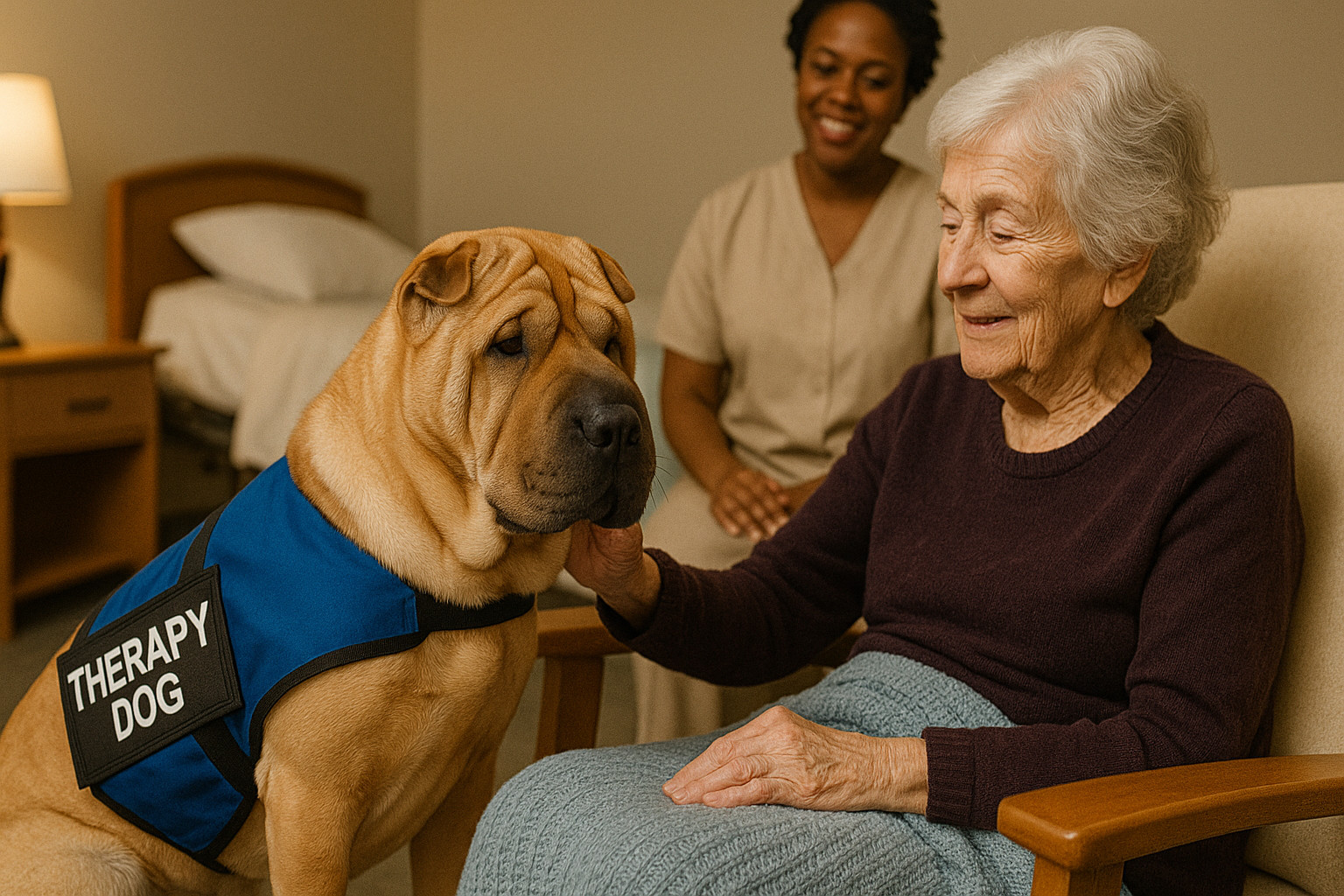
Therapy dogs are specially trained animals that offer comfort, joy, and emotional relief to people in challenging or stressful situations. Whether visiting hospitals, disaster areas, or care facilities, their presence alone can help people feel calmer and more supported. Many individuals naturally connect with dogs, and this bond can have a powerful therapeutic effect.
These dogs are typically calm, gentle, and well-mannered so they can interact safely and positively with individuals of all ages and backgrounds.
How Therapy Dogs Bring Comfort and Support
The goal of a therapy dog team is to brighten someone’s day, reduce stress, and provide emotional grounding. People may experience benefits such as:
Register Your Dog Instantly
- Lowered anxiety
- Increased feelings of connection
- Reduced loneliness
- Improved mood
- A sense of stability during difficult moments
Because many people instinctively trust and bond with animals, therapy sessions with dogs can be uplifting and restorative.
Training and Temperament of Therapy Dogs
A therapy dog must be friendly, patient, and adaptable. While obedience training is essential, temperament matters just as much. These dogs are evaluated for their ability to:
- Stay calm around unfamiliar people
- Handle medical equipment and unusual environments
- Interact gently with children, seniors, and individuals with disabilities
- Remain relaxed in crowded or noisy spaces
They are privately owned pets whose handlers volunteer their time or participate in organized therapy programs.
Where Therapy Dogs Provide Support
Therapy dog teams visit a wide variety of locations, including:
- Hospitals and medical centers
- Retirement communities
- Nursing homes
- Schools and colleges
- Hospice facilities
- Mental health centers
- Disaster zones
- Programs for individuals with learning difficulties
Visits are usually scheduled regularly, and after each session, the dog returns home with its owner.
The Important Role of Therapy Dog Handlers
A therapy dog’s handler is part of the team. This person ensures safe interactions, understands facility requirements, and supports both the dog and the people being visited. A responsible handler:
- Monitors the animal’s stress level
- Maintains proper training and grooming
- Communicates with facility staff
- Guides interactions to ensure everyone remains comfortable
The bond between handler and dog helps create a positive environment during each visit.
Therapy Dogs vs. Service Animals
Although both provide valuable support, they play very different roles.
Therapy animals:
- Offer comfort and companionship
- Require obedience training but not task-specific training
- Visit facilities to interact with many people
- Have no public access rights under federal law
Service animals:
- Are trained to perform tasks for one individual
- Have legal protections for public access under the ADA
- Support a person with a disability in daily life
Because therapy dogs are not task-trained and do not assist one specific person, they do not receive the legal protections given to service animals.
Legal Protections for Therapy Dogs
Under federal laws such as the ADA, Fair Housing Act, and Air Carrier Access Act, therapy animals and their handlers do not have special access rights. They cannot enter public spaces that restrict animals unless invited by a facility that allows therapy programs.
However, some states have enacted laws that offer limited protections or recognition for therapy animal teams. These vary widely and depend on local regulations.
Conclusion
Therapy dogs play a meaningful and compassionate role in helping people during moments of stress, illness, or emotional difficulty. Their calming presence, combined with the support of a dedicated handler, can bring comfort to individuals in hospitals, long-term care facilities, schools, and areas affected by disaster. While they are not considered service animals under federal law, their positive impact on emotional well-being is immense and continues to be recognized across many fields of care.