What Is a Psychiatric Service Dog?
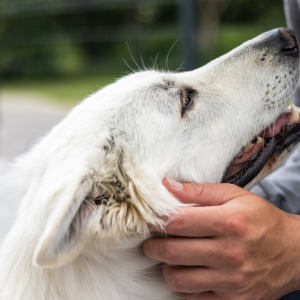
A psychiatric service dog is a task-trained service animal that assists an individual with a diagnosed psychiatric disability. These dogs support people who may appear outwardly healthy but experience challenges that affect daily function. Conditions such as PTSD, anxiety disorders, depression, bipolar disorder, or dissociative disorders can create obstacles that a trained dog helps manage.
Unlike emotional support animals, psychiatric service dogs perform specific tasks directly related to the handler’s disability.
Common Tasks Performed by Psychiatric Service Dogs
Because mental health disabilities vary widely, task work is customized to the handler’s needs. Examples include:
- Interrupting panic attacks or dissociation
- Providing grounding through tactile stimulation
- Creating space in crowded areas
- Reminding the handler to take medication
- Guiding the handler away from triggering environments
- Waking the handler from nightmares
- Fetching help during psychiatric emergencies
- Providing stability during moments of mental confusion
These tasks help the handler remain safe, oriented, and functional in daily life.
Register Your Dog Instantly
Who Uses a Psychiatric Service Dog?
Handlers may:
- Show no visible signs of disability
- Experience fluctuating symptoms
- Face challenges with mental clarity or focus
- Have conditions that are often misunderstood or overlooked
Because psychiatric disabilities are frequently “invisible,” many individuals rely on a psychiatric service dog to navigate situations that others might not recognize as difficult.
Gear and Identification
There is no legal requirement for special gear. A psychiatric service dog may work with:
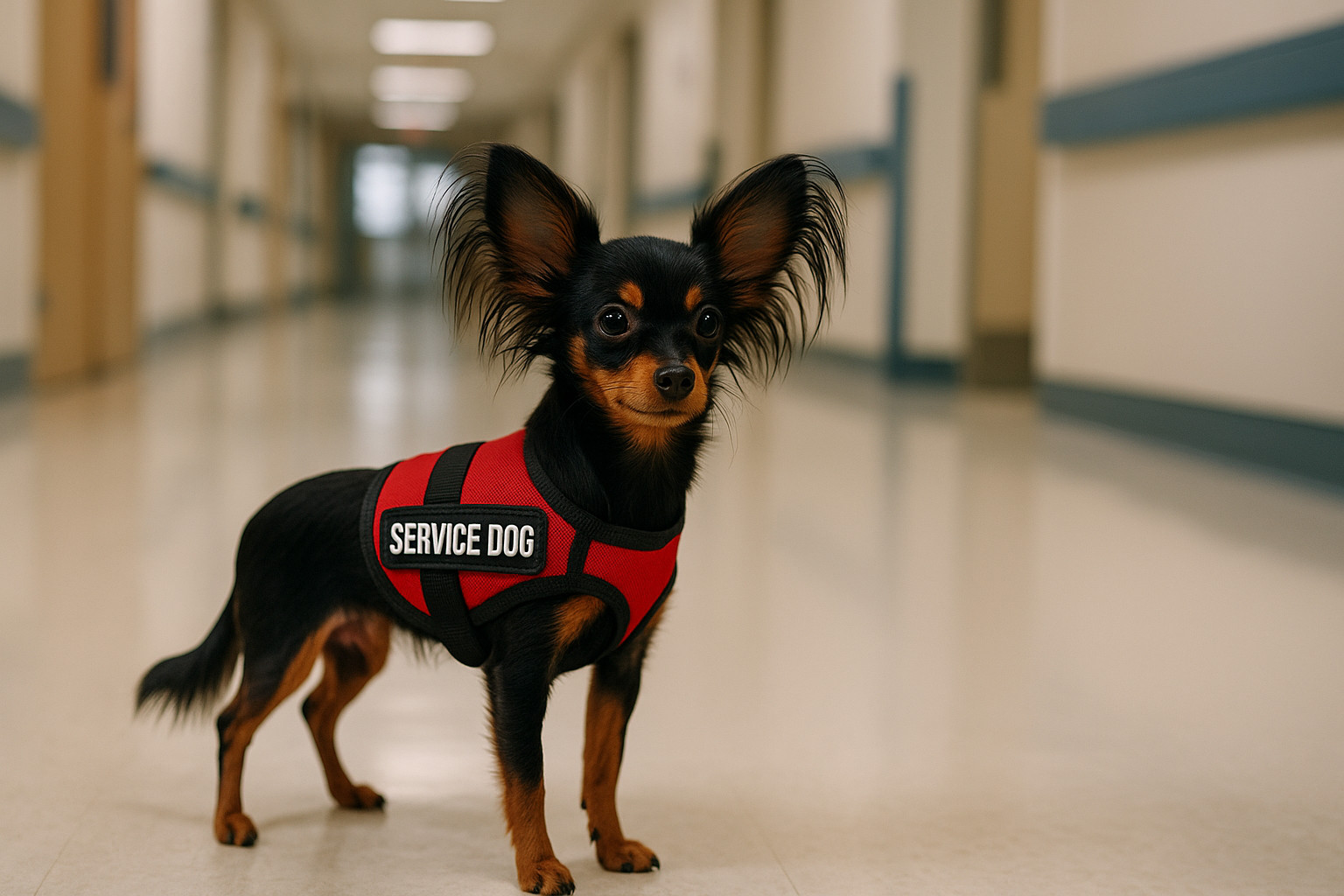
- A standard harness
- A vest (optional)
- Identification tags (optional)
Gear does not determine whether a dog is a service animal. What qualifies the dog is the performance of trained tasks related to the handler’s disability.
Legal Rights and Protections
Under the Americans with Disabilities Act (ADA), a psychiatric service dog has the same rights as any other service dog. This includes access to:
- Public spaces
- Transportation
- Businesses
- Housing (also protected under the Fair Housing Act)
Businesses must treat psychiatric service dogs the same as guide dogs, mobility dogs, or any other trained service animals.
Important distinction:
- Psychiatric Service Dogs = Task-trained service animals → FULL public access rights
- Emotional Support Animals (ESAs) = Provide comfort only → NO public access rights
- Therapy Dogs = Volunteer or visitation animals → NO public access rights
Only service dogs performing trained tasks related to a disability are protected under federal law.
Why Psychiatric Service Dogs Are Valuable
These dogs provide meaningful support by:
- Reducing symptom severity
- Increasing independence
- Improving emotional regulation
- Supporting safer community engagement
- Offering reassurance and grounding during episodes of distress
Their training allows them to assist in ways that go beyond emotional comfort, helping their handlers manage real, daily challenges.
Conclusion
A psychiatric service dog is a highly trained partner for individuals living with mental health-related disabilities. Through specialized tasks and consistent support, these dogs help their handlers navigate life with greater stability and confidence. With full legal protections under the ADA, they enjoy the same public access rights as all other service dogs—unlike ESAs or therapy dogs, which do not have such rights. These remarkable dogs play a powerful role in helping their handlers live safer, more independent lives.