What Are Medical Assistance Dogs?
Medical assistance dogs are service animals trained to help individuals whose disabilities are related to medical conditions. Because medical needs vary widely from person to person, this category includes dogs who perform highly specialized tasks tailored to the handler’s daily challenges.
This classification is often used when a dog’s work doesn’t fall neatly into another service dog type, making it a flexible and practical category.
What Tasks Medical Assistance Dogs Perform
These dogs are trained to complete specific actions that directly reduce the impact of a medical disability. Their tasks may include:
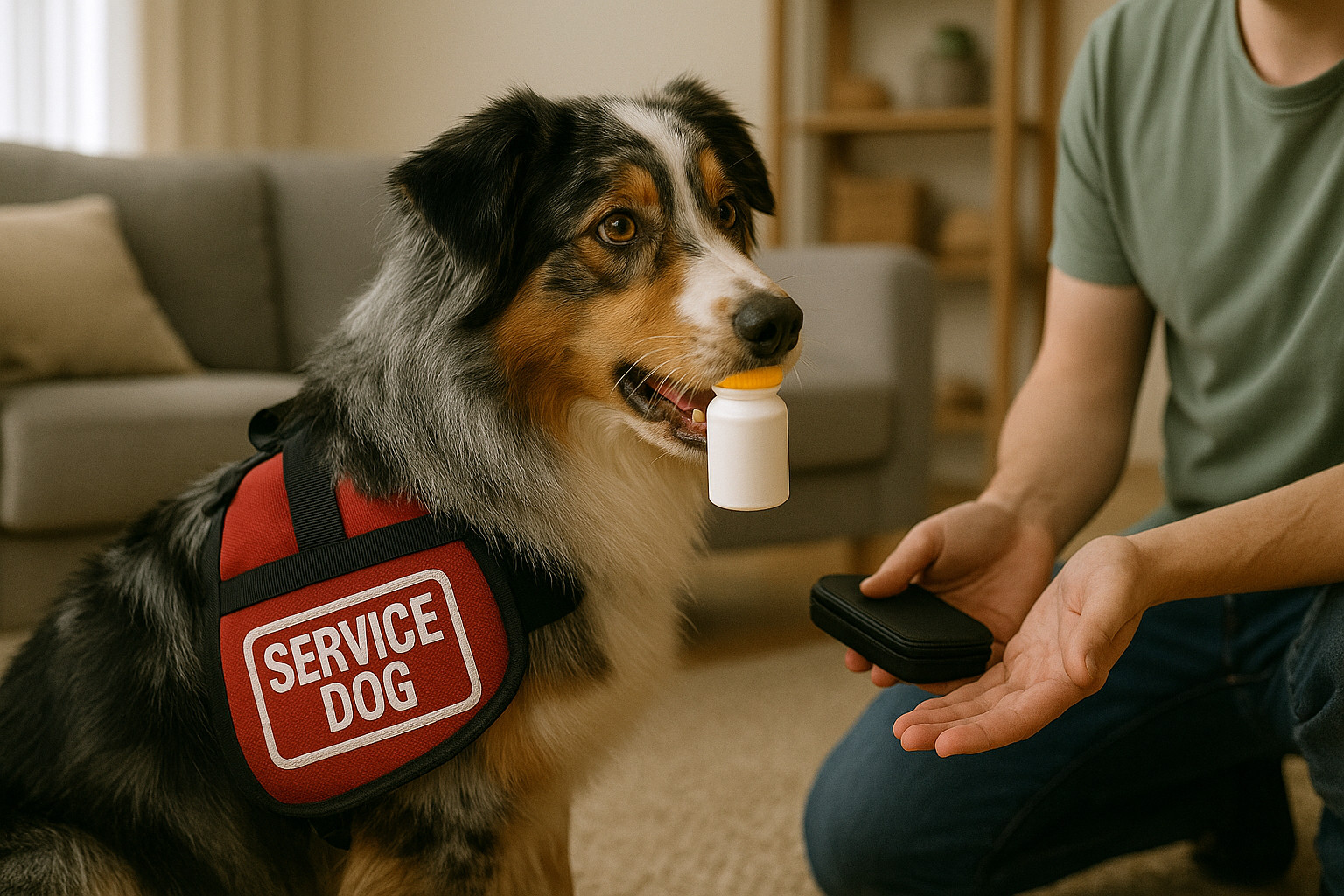
- Retrieving medication or medical equipment
- Alerting to symptoms associated with certain conditions
- Providing physical support during medical episodes
- Assisting with mobility when needed
- Notifying a caregiver or emergency contact
- Supporting stability or safety during unpredictable symptoms
Because each handler’s medical condition is different, the dog’s task list is uniquely customized.
Register Your Dog Instantly
Who Uses Medical Assistance Dogs?
Handlers come from all age groups and backgrounds. A person partnered with a medical assistance dog may:
- Have a visible disability
- Have an invisible illness
- Experience chronic, intermittent, or unpredictable symptoms
- Require support only during specific episodes
- Need ongoing assistance throughout the day
These dogs help bridge gaps in ability, making daily life safer and more manageable.
Gear and Equipment for Medical Assistance Dogs
There is no single type of gear used for this category. Equipment varies depending on:
- The tasks the dog performs
- The handler’s physical needs
- Environmental or workplace demands
Examples may include:
- Standard service dog vests
- Mobility harnesses
- Medical alert tags
- Task-specific attachments or tools
Even with minimal gear, task-trained medical assistance dogs are fully recognized as service animals.
Why Medical Assistance Dogs Form a “Catch-All” Category
Some service dog roles—such as guide dogs or seizure response dogs—have very clear definitions. However, many handlers have medical needs that do not fall into a single, well-defined group. In these cases:
- The dog’s tasks may span several categories
- The disability may be complex or multi-layered
- The handler may prefer not to disclose specific medical information
Using the term medical assistance dog provides privacy while still communicating that the animal performs legitimate, disability-related task work.
How Medical Assistance Dogs Improve Daily Life
These service dogs provide meaningful support through:
- Increased independence
- Better symptom management
- Enhanced safety at home and in public
- Reduced reliance on caregivers
- Emotional reassurance during medical episodes
Their flexibility and specialized training allow them to adapt to many different medical conditions.
Conclusion
Medical assistance dogs are versatile service animals trained to perform essential tasks for individuals with a wide range of medical disabilities. Because they can be taught to recognize symptoms, retrieve supplies, or provide physical support, they offer invaluable safety and independence. Their classification also allows handlers to maintain privacy while still receiving the full legal protections afforded to all service dogs.