What Are Service Dog Medical Alert?
Medical alert dogs are highly trained service animals that assist individuals by detecting changes in the body that may signal a medical problem. These changes may include shifts in blood pressure, hormone levels, blood sugar, or other measurable physiological markers.
Their ability to recognize subtle symptoms allows them to alert their handlers early—often before a medical issue becomes an emergency.
How Medical Alert Dogs Help Their Handlers
The work of a medical alert dog depends on the condition it is trained to identify. These dogs may alert to:
- Dangerous drops or rises in blood pressure
- Hormonal fluctuations
- Chemical changes related to conditions such as diabetes, migraines, seizures, or fainting episodes
- Other verifiable, measurable bodily symptoms
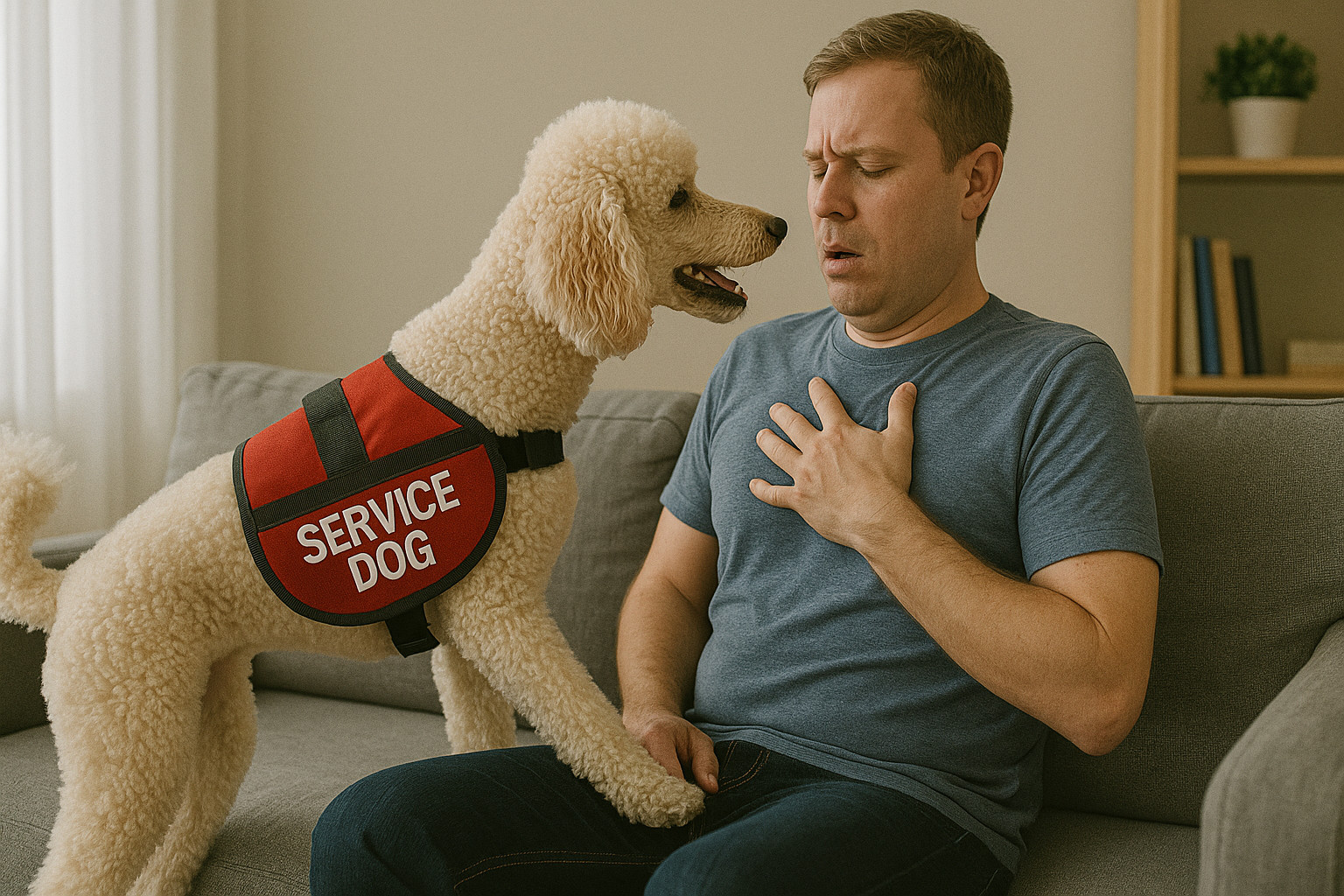
Some alerts involve nudging, pawing, barking, retrieving medication, or leading the handler to safety.
Register Your Dog Instantly
Because these animals can recognize changes faster than medical devices in certain situations, they play a crucial role in keeping their handlers safe.
Handlers Who Use Medical Alert Dogs
Unlike some other types of service animals, the handlers who rely on medical alert dogs may or may not visibly appear disabled. Many medical conditions are internal, invisible, or unpredictable, which makes early detection especially valuable.
These dogs support people who live with:
- Blood pressure instability
- Hormone regulation disorders
- Diabetic episodes (noting that Diabetic Alert Dogs are a specific subset)
- Conditions causing fainting or loss of consciousness
Their job is to provide timely warnings—not to replace medical treatment, but to complement it.
Gear and Equipment for Medical Alert Dogs
The gear used by medical alert dogs varies widely. Because every handler’s needs are different, some dogs may wear:
- A harness
- A vest
- Medical alert tags
- Specialized equipment for mobility or retrieval tasks
Others may not require any specialized gear at all. Gear is not what makes a dog a service dog—the training and task work do.
Public Access Rights of Medical Alert Dogs
As recognized service animals, medical alert dogs have full public access under the Americans with Disabilities Act (ADA). This means they are permitted in:
- Restaurants
- Stores
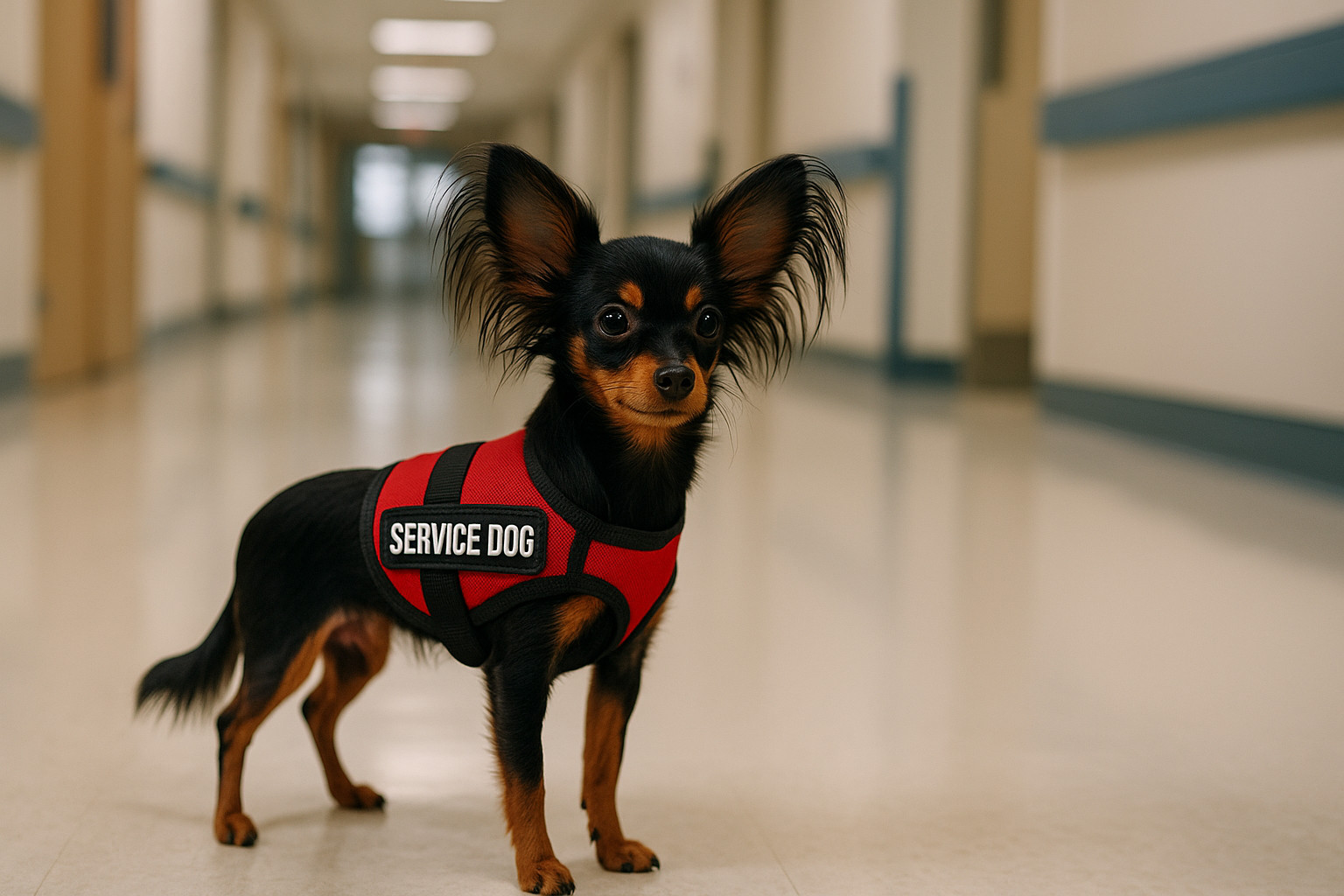
- Hospitals
- Schools
- Workplaces
- Public transportation
- Any place where the general public is allowed
Their presence is protected because they perform vital tasks related to recognized disabilities.
Medical Alert Dogs vs. Diabetic Alert Dogs (DADs)
All Diabetic Alert Dogs (DADs) fall under the category of medical alert dogs, but not all medical alert dogs are trained for diabetes detection. This is an important distinction:
- Diabetic Alert Dogs: Detect changes in blood sugar levels.
- Medical Alert Dogs: Can detect a wide range of physiological changes beyond diabetes.
Their training is tailored to the specific condition their handler manages.
The Wide Range of Medical Alert Dog Functions
Because medical alert work covers many conditions, these service animals may be involved in:
- Early detection of medical episodes
- Providing alerts during sleep
- Supporting independence
- Enabling safer public access
- Helping handlers maintain stability during unpredictable health events
Their work can be life-saving, highly specialized, and deeply personalized.
Conclusion
Medical alert dogs are remarkable service animals trained to sense dangerous physiological changes before they escalate into emergencies. With full public access rights, customizable gear, and a wide range of specialized skills, they provide invaluable support to people with both visible and invisible disabilities. While DADs are one subset of medical alert dogs, the full category covers a broad spectrum of life-changing service work.