What Are Personal Protection Dogs?
Personal protection dogs—often referred to as PPDs—are specially trained canines that help safeguard their handler from threats. Their role includes recognizing danger, responding appropriately, and remaining focused even in high-stress or unpredictable situations.
These dogs are not ordinary guard dogs. Their training emphasizes control, precision, and loyalty, making them capable partners for individuals concerned about their personal safety.
How Personal Protection Dogs Are Trained
Training for PPDs is extensive and designed to balance obedience with the ability to act decisively when needed. This process typically includes:
- Maintaining extreme focus
- Following verbal and hand commands reliably
- Showing controlled aggression when instructed
- Learning to disengage on command
- Remaining calm in public environments
A well-trained personal protection dog does not pose additional danger to the community. Instead, these dogs respond only when a genuine threat is detected or when directed by their handler.
Register Your Dog Instantly
Who Uses Personal Protection Dogs?
A variety of people rely on personal protection dogs, including individuals who:
- Live in high-risk areas
- Travel frequently
- Have safety concerns related to stalking or harassment
- Want additional security for their property
- Prefer a trained animal over mechanical security systems
These dogs provide both emotional reassurance and practical defense when needed.
Gear and Equipment for Personal Protection Dogs
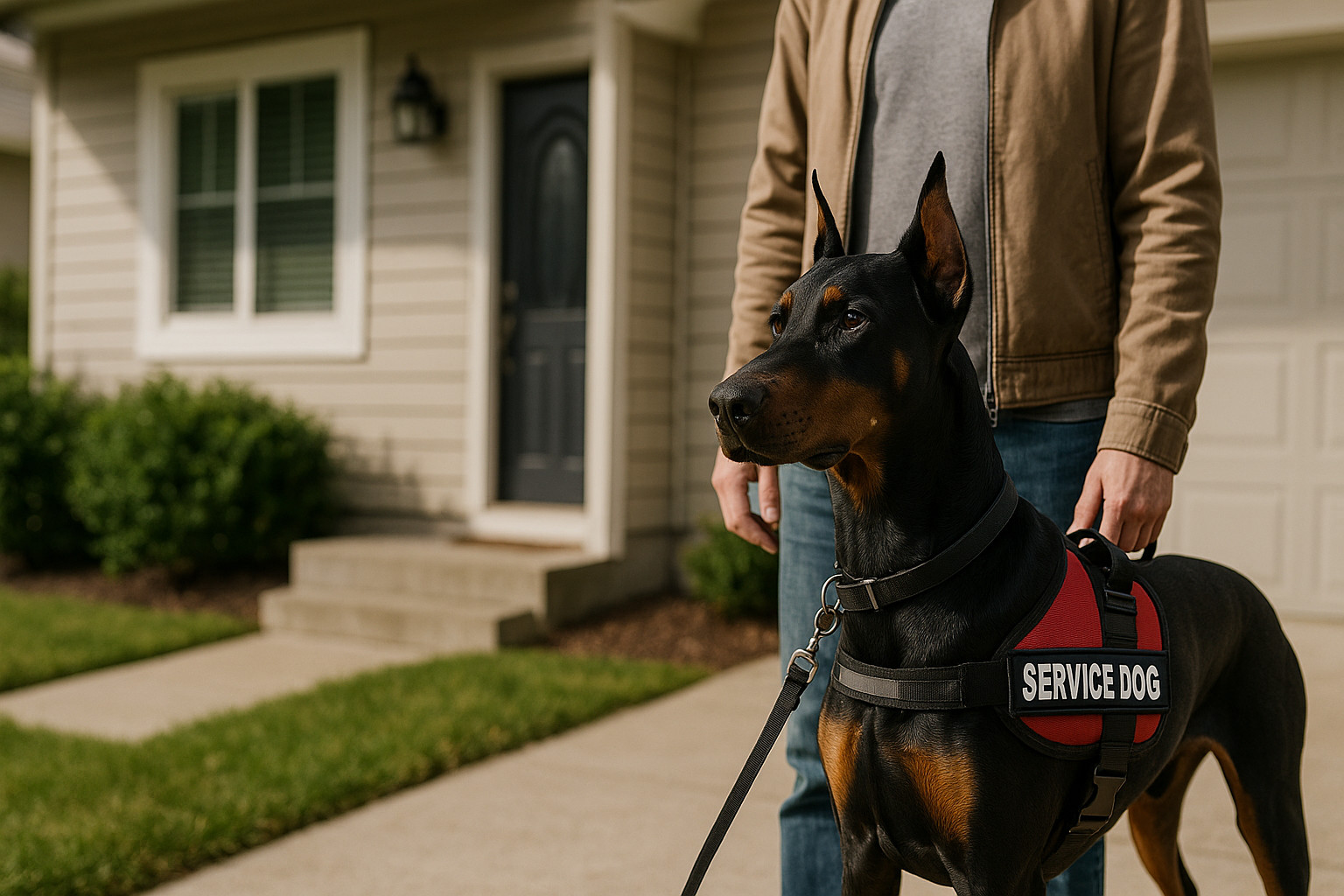
Because their work involves physical control and safety, many handlers use specialized gear, such as:
- Strong harnesses
- Heavy-duty leashes
- Studded or reinforced collars
- Identification tags
This equipment allows the handler to manage the dog effectively and ensures proper communication during training and real-life scenarios.
Why Personal Protection Dogs Are Not “Dangerous Dogs”
Although some people might assume these dogs are aggressive by nature, well-trained PPDs are typically:
- Calm
- Stable
- Socialized
- Highly obedient
- Responsive to cues
Their “forceful” behavior appears only when a true threat is present or when their handler commands it. Outside of those moments, they behave like loyal, well-mannered companions.
Their reliability is rooted in their bond with their handler and the professionalism of their training program.
How Personal Protection Dogs Improve Safety
PPDs support their handlers by:
- Acting as deterrents to potential threats
- Defending in dangerous situations when instructed
- Staying alert to unusual behavior or sounds
- Providing peace of mind during travel or at home
- Responding rapidly in emergencies
Their presence can significantly enhance the personal security of their owners while also offering companionship and loyalty.
Conclusion
Personal protection dogs are highly trained animals that combine obedience, focus, and controlled strength to help keep their handlers safe. With proper training and responsible handling, these dogs serve as trustworthy partners who act only when necessary. Their loyalty, discipline, and protective instincts make them valuable assets for individuals seeking greater personal security.