
Understanding the laws surrounding Emotional Support Animals (ESAs) is crucial for residents in West Virginia. ESAs can provide comfort and emotional stability to their owners, but the legal landscape can be complex. This comprehensive guide will provide an in-depth overview of the relevant laws and regulations affecting ESAs in the state.
Overview of ESAs and Legal Definitions in West Virginia
What is an Emotional Support Animal?
An Emotional Support Animal (ESA) offers comfort and aid to individuals suffering from various mental and emotional disorders. Unlike service animals, ESAs do not require specialized training to perform specific tasks for their handler. They serve a therapeutic role, helping to alleviate symptoms of anxiety, depression, and PTSD, among others.
How ESAs Differ from Service Animals
While both ESAs and service animals support individuals with disabilities, they differ substantially in their roles and legal recognition. Service animals, as defined by the Americans with Disabilities Act (ADA), are trained to undertake tasks directly related to a person’s disability. In contrast, ESAs are not tasked with specific duties but provide vital emotional support. This distinction affects where and how they are accommodated under the law.
Key Federal Laws Affecting ESAs (e.g., FHA, ACAA)
Federal laws provide the groundwork for ESA regulations in the U.S. The Fair Housing Act (FHA) mandates that individuals with ESAs must be granted reasonable accommodations in housing, even in properties with “no pets” policies. The Air Carrier Access Act (ACAA), while offering past provisions for ESAs on flights, has seen amendments allowing airlines to have stricter regulations, primarily focusing on service animals.
State-Specific ESA Laws in West Virginia
West Virginia adheres to federal guidelines concerning ESAs, with additional state nuances focused primarily on housing. The absence of solid state-specific laws concerning the accommodation of ESAs in public and employment settings means federal laws predominantly govern these areas.
Housing Rights and Responsibilities
Under the FHA, housing providers in West Virginia must accommodate residents with legitimate ESA needs. Property owners are generally prohibited from charging extra fees or deposits for ESAs but may request appropriate documentation to substantiate the ESA requirement. Tenants are tasked with ensuring their animals do not cause harm or undue disturbance, maintaining a shared living environment’s integrity.
Public Access and Accommodation
ESAs do not have the same public access rights as service animals in West Virginia. Public entities and businesses are not legally required to allow ESAs into their establishments. However, businesses can choose to allow them, provided they align internally with policies ensuring safety and hygiene.
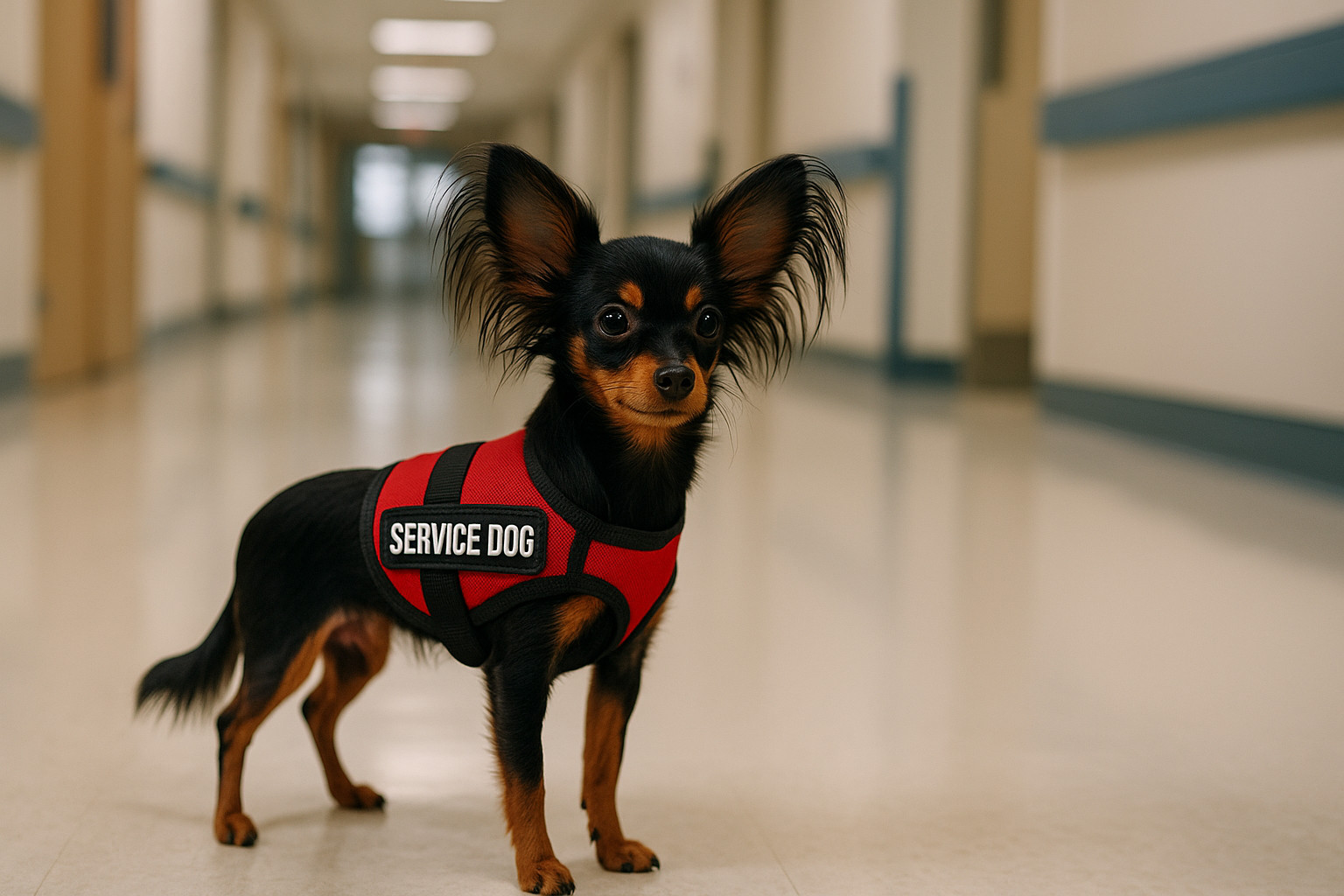
Register Your Dog Instantly
Transportation and Travel Rules
The Air Carrier Access Act previously offered broad allowances for ESAs, but recent adjustments have tightened regulations. Airlines entering or leaving West Virginia now primarily recognize only trained service dogs for free cabin access, relegating ESAs to typical pet travel guidelines. Public transportation in the state likewise does not have obligations to accommodate ESAs.
Employment and Workplace Considerations
Workplaces in West Virginia are not obligated under current ESA laws to permit ESAs. However, employees can request reasonable accommodations under the ADA, leaning on documented therapeutic benefits the ESA provides. Employers are encouraged to engage in an interactive process to assess these requests, balancing workplace safety and order.
Documentation, Requirements, and Processes in West Virginia
ESA Letters and Who Can Issue Them
To qualify for ESA accommodations, individuals in West Virginia typically require a legitimate ESA letter. Licensed mental health professionals, such as psychologists, psychiatrists, or social workers, can issue these letters, confirming the necessity of an ESA based on the individual’s diagnosed mental health condition.
Landlord, Business, and Provider Verification Rules
Landlords and businesses have the right to verify ESA documentation, though they cannot probe into the individual’s specific mental health conditions. Valid ESA letters should suffice in meeting verification needs while ensuring privacy and dignity remain paramount.
Rights, Limitations, and Legal Risks
Rights ESA Owners Have in West Virginia
ESA owners are chiefly protected in housing contexts under federal law. They are entitled to keep an ESA in their home, despite general pet prohibitions, supporting their mental and emotional well-being.
Limits on ESA Protections and Common Restrictions
Despite housing protections, ESA accommodations do not extend indefinitely. Property damage, disturbances, or threats to safety can justify a landlord’s refusal to accommodate the animal. Additionally, ESAs lack legal public access beyond housing, such as in restaurants or other non-pet friendly places.
Penalties for Fraud or Misrepresentation
Misrepresenting a pet as an ESA or service animal carries legal penalties in West Virginia. Consequences can include fines and denial of requested accommodations, further complicating future genuine requests for support.
Practical Guidance for ESA Owners in West Virginia
How to Qualify for an ESA Legitimately
Residents seeking ESA status must obtain a letter from a licensed mental health professional. This letter should articulate the necessity of the ESA in addressing the owner’s specific mental or emotional condition.
How to Talk to Landlords, Airlines, and Employers
Clear, honest communication is pivotal. When addressing landlords, airlines, or employers, presenting the ESA letter promptly and concisely outlines the necessity of the animal for mental well-being, smoothing potential resistance or misunderstanding.
Summary of ESA Laws in West Virginia
- Rights: ESA owners primarily have housing accommodations under the FHA.
- Limitations: Limited access under non-housing circumstances; no guaranteed public entry.
- Documentation: Must obtain a valid ESA letter from a licensed professional.
- Penalties: Legal actions for fraud or misrepresentation can be severe, impacting future ESA claims.
- Practical Tips: Ensure compliance by obtaining necessary documentation, communicating effectively with involved parties, and understanding both rights and restrictions.
Understanding the distinct framework surrounding ESAs in West Virginia will empower owners and potential owners to leverage their rights effectively while respecting the limitations of those rights, fostering harmonious living and compliance with legal standards.