
Overview of ESAs and Legal Definitions in Washington
What is an Emotional Support Animal?
An emotional support animal (ESA) refers to a pet that provides comfort and emotional support to individuals with mental or emotional disabilities. Unlike service animals, ESAs do not need specialized training to perform specific tasks for their handler. Instead, their mere presence helps alleviate symptoms of the handler’s mental health condition. In Washington, as in other states, an ESA can be any animal—most commonly dogs or cats—whose presence is necessary for the emotional well-being of the owner as prescribed by a mental health professional.
How ESAs Differ from Service Animals
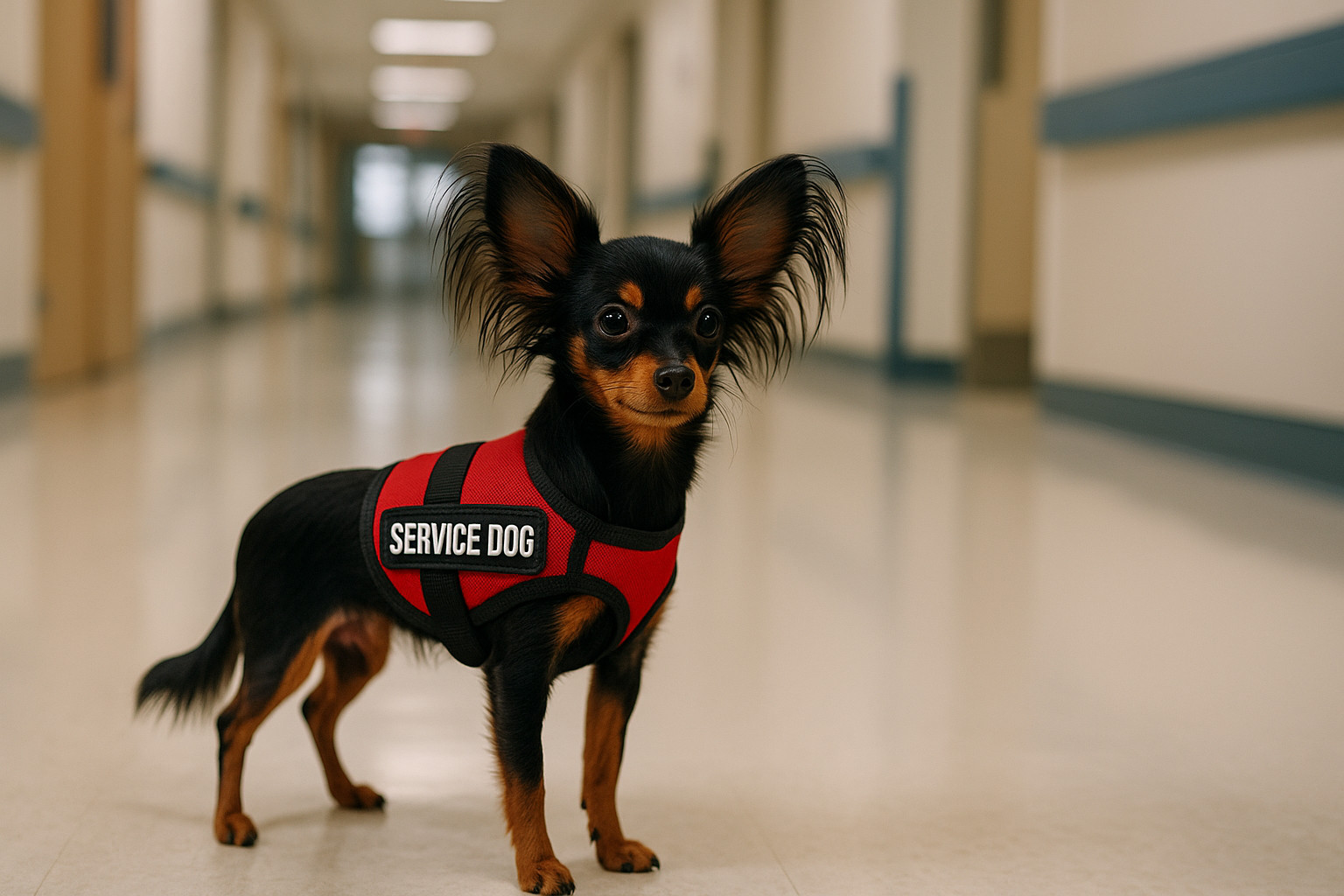
Service animals, primarily dogs, undergo specific training to perform tasks that mitigate their handler’s disabilities, such as guiding a visually impaired person or alerting someone before a seizure. The Americans with Disabilities Act (ADA) covers service animals, granting them broader access rights. In contrast, ESAs are primarily protected under different legislation, like the Fair Housing Act (FHA), and do not have the same public access rights. In Washington, ESAs are recognized for their service in offering therapeutic benefits by their companionship rather than trained capabilities.
Key Federal Laws Affecting ESAs (e.g., FHA, ACAA)
Several federal laws govern the rights and accommodations of ESAs, including:
- Fair Housing Act (FHA): This law mandates housing providers to make reasonable accommodations for individuals with disabilities, including allowing ESAs in residences that typically have no-pet policies.
- Air Carrier Access Act (ACAA): While previously allowed, recent amendments now restrict ESAs from free travel in the cabin on airlines, providing this accommodation mainly for service animals.
Under these federal laws, individuals with an ESA in Washington are granted significant protections, especially concerning housing.
State-Specific ESA Laws in Washington
Washington State adheres to federal ESA guidelines, with additional specific statutes refining protections and responsibilities. While ESAs aren’t granted the same extensive public access rights as service animals, they enjoy necessary housing accommodations under both federal law and state interpretations. Washington ensures ESAs are seen as necessary companions for those living with mental health conditions, extending their housing rights significantly under state laws.
Housing Rights and Responsibilities
In Washington, landlords are required to make reasonable accommodations to allow ESAs in their properties, even in buildings with strict no-pet policies. These protections extend to individuals in numerous living arrangements, ensuring fair treatment consistent with the Fair Housing Act. Landlords may not charge additional pet fees but can request documentation from a licensed medical provider verifying the need for an ESA. Owners remain responsible for any damage incurred by their ESA within the property.
Public Access and Accommodation
Unlike service animals, ESAs do not possess the right to accompany their owners in all public places under Washington State law. However, some facilities may voluntarily permit ESA access. Business owners retain discretion over permitting an ESA unless the location serves a residential function protected under the FHA. Individuals should always verify the ESA access policy with specific establishments before planning a visit.
Register Your Dog Instantly
Transportation and Travel Rules
Washington State acknowledges federal transportation regulations, notably those from the Air Carrier Access Act. Although ESAs no longer have guaranteed access to airline cabins as they did prior to the ACAA amendments, alternate travel accommodations may apply, such as cargo transport or specific airlines that adopt more flexible ESA policies. As a precursor, ESA owners are advised to consult respective carriers for their specific policies.
Employment and Workplace Considerations
Federal law does not generally require employers to accommodate ESAs in the workplace the way service animals are supported. In Washington, employment accommodation for ESAs is at the employer’s discretion. However, advocating for an ESA in a work environment can be made through presenting a medical necessity backed by a professional evaluation. Employers who deny access must be aware that reasonable accommodation discussions may involve legal interpretations of state-derived protections.
Documentation, Requirements, and Processes in Washington
ESA Letters and Who Can Issue Them
A legitimate ESA letter is crucial for receiving housing accommodations. This documentation must stem from a licensed mental health professional, such as a psychiatrist, psychologist, or licensed counselor. The letter should detail the handler’s need for the ESA and be on professional letterhead, including license details. ESA letters are generally valid for one year and require renewal to remain effectual.
Landlord, Business, and Provider Verification Rules
Washington State requires landlords and housing providers to accept appropriate ESA documentation and make reasonable accommodations for owners with legitimate ESA letters. However, they are entitled to verify the authenticity of the documentation but cannot request detailed medical records. Similarly, other service providers may verify ESA validity through direct communication with the issuer as necessary, but must maintain confidentiality of the information.
Rights, Limitations, and Legal Risks
Rights ESA Owners Have in Washington
ESA owners in Washington are primarily guaranteed the right to have their companion animals in housing, supported by both federal and state laws. This protection effectively prevents housing discrimination solely based on the ESA’s presence. ESA owners are protected from unfair pet fees and charges and can expect reasonable accommodation from landlords.
Limits on ESA Protections and Common Restrictions
While housing rights are robust, ESA protections in other areas such as public spaces, transport, and workplaces are limited. ESAs do not have statutory access to non-residential public accommodations under state or federal law. Agencies also maintain authority to enforce rules around ESAs’ behavior, health, and the potential risk they may present.
Penalties for Fraud or Misrepresentation
Misrepresenting an animal as an ESA when it is not genuinely assigned by a certified professional is subject to legal penalties in Washington. State law criminalizes fraudulent service animal claims, and the same public misleading claims extend to ESA representations. Penalties can include fines and damages, emphasizing the importance of genuine need and appropriate certification.
Practical Guidance for ESA Owners in Washington
How to Qualify for an ESA Legitimately
To legitimately obtain an ESA designation, individuals must:
- Have a documented mental or emotional disorder as recognized by professional healthcare providers.
- Obtain a formal letter from a licensed mental health professional stating the necessity of the ESA.
- Ensure the ESA’s presence directly alleviates the described condition’s impacts.
How to Talk to Landlords, Airlines, and Employers
When discussing ESAs with landlords, provide clear, valid documentation from a licensed mental health professional. Ensure open communication, focusing on legal rights, and remaining receptive to reasonable policy adjustments. For airlines, emphasize familiarity with current ESA travel policies. When addressing employers, a candid, evidence-backed discussion is recommended, laying out the mental health benefits and associated needs of having your ESA at work.
Summary of ESA Laws in Washington
- Housing Rights: ESA owners have the right to live with their ESAs, provided they have valid documentation.
- Public Access: ESAs are not guaranteed access to public places like restaurants or malls.
- Employment: Employers are not obligated to accommodate ESAs, although some may choose to.
- Documentation: Legitimate ESA documentation should be from a licensed mental health professional and renewed regularly.
- Risks: Misrepresenting an ESA can result in legal penalties.
- Practical Steps: Obtain legitimate documentation, understand your rights and limitations, and engage in open dialogue with relevant parties.
By understanding Washington’s ESA laws and federal guidelines, residents can ensure the well-being of their emotional support animals while maintaining compliance and respecting the boundaries set for non-service animals.