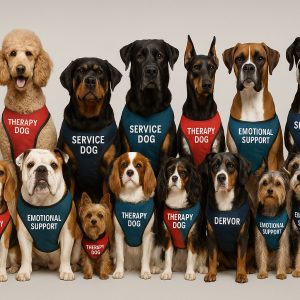
Navigating the legal framework surrounding Emotional Support Animals (ESAs) in Virginia can be complex, especially as these regulations intersect with federal laws. This guide will provide an in-depth overview of ESA laws in Virginia, focusing on housing, public access, travel, and employment. The goal is to educate and equip ESA owners with the knowledge needed to effectively exercise their rights while understanding the limitations and responsibilities involved.
Overview of ESAs and Legal Definitions in Virginia
What is an Emotional Support Animal?
An Emotional Support Animal (ESA) is an animal that provides comfort and support to individuals with a psychological or emotional disability through companionship. Unlike service animals which are trained to perform specific tasks, ESAs do not require specialized training to assist their handlers. Their primary function lies in alleviating symptoms of mental or emotional conditions, such as anxiety, depression, PTSD, or phobias.
How ESAs Differ from Service Animals
Service animals are specially trained to perform tasks for individuals with physical, sensory, psychiatric, intellectual, or other mental disabilities. While service animals are typically dogs, ESAs can be a variety of animal species. Importantly, service animals have broader public access rights under the Americans with Disabilities Act (ADA), which does not extend the same protections to ESAs. This distinction is critical in understanding the legal obligations and rights pertaining to each in Virginia.
Key Federal Laws Affecting ESAs (e.g., FHA, ACAA)
Two primary federal laws influence how ESAs are treated in Virginia:
- Fair Housing Act (FHA): This law prohibits discrimination in housing and requires landlords to make reasonable accommodations for individuals with disabilities, including allowing ESAs in most types of housing.
- Air Carrier Access Act (ACAA): This law ensures that individuals with disabilities can travel by air with their service animals. However, as of recent updates, the definition of service animals under this law excludes ESAs, meaning airlines may choose their policies regarding ESA accommodation.
State-Specific ESA Laws in Virginia
Housing Rights and Responsibilities
In Virginia, the Fair Housing Act (FHA) governs the rights related to ESAs in housing. Landlords are required to provide reasonable accommodations to individuals with ESAs, even if the property has a no-pet policy. However, tenants must provide appropriate documentation from a licensed health professional indicating the need for an ESA due to a disability.
Responsibilities of ESA owners include ensuring their animals do not pose a direct threat to the safety or health of others and that they are well-behaved within the property. Landlords may not charge extra fees or deposits for ESAs, but tenants are liable for any damages caused by their ESA.
Public Access and Accommodation
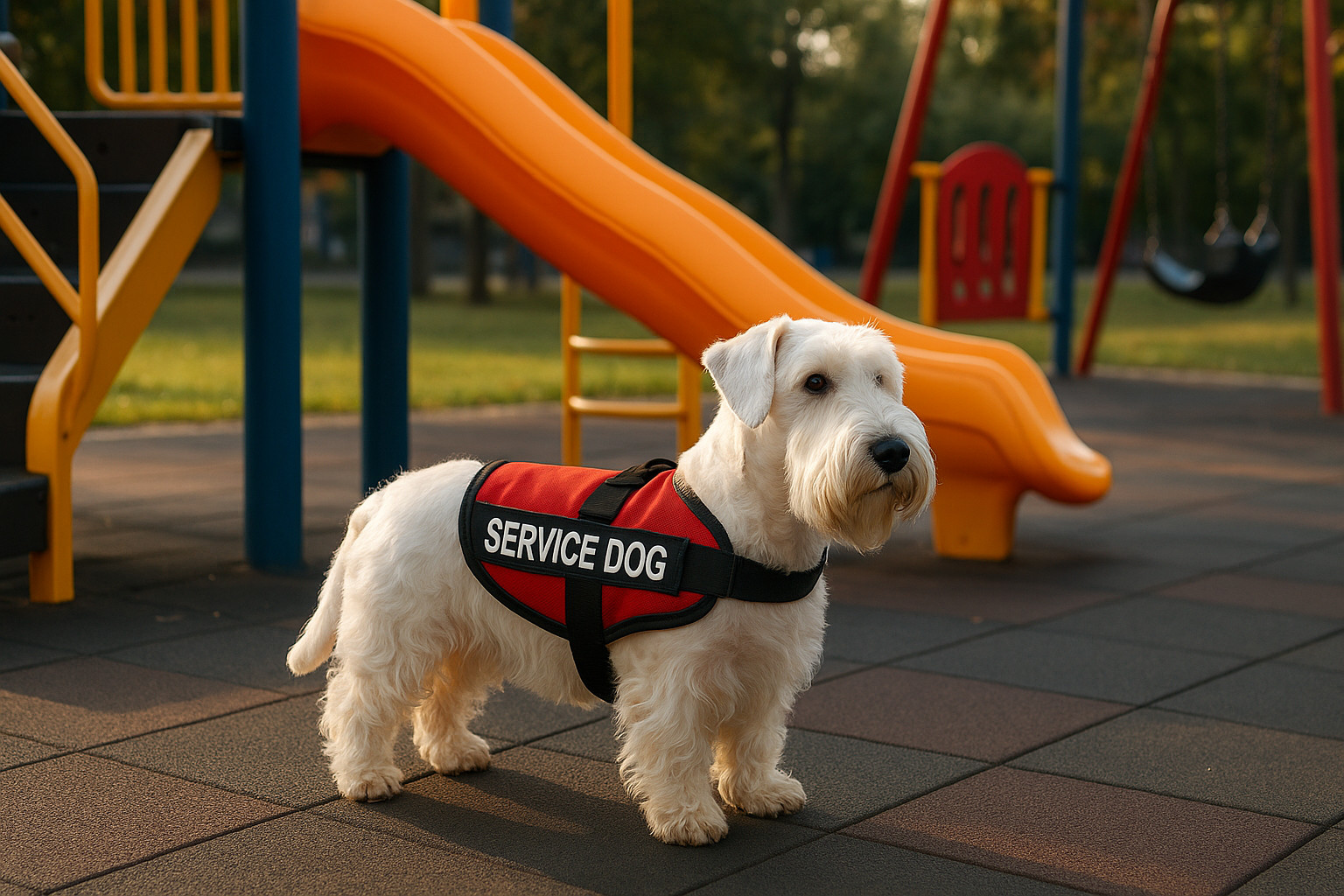
In Virginia, ESAs do not possess the same public access rights as service animals under the Americans with Disabilities Act (ADA). This means businesses, restaurants, and public spaces are not legally required to allow ESAs the same access they grant to service animals. Business owners retain the right to refuse entry to ESAs, but an accommodating approach is always beneficial to community relations.
Register Your Dog Instantly
Transportation and Travel Rules
Transportation regulations for ESAs can vary widely. With changes under the ACAA, airlines are no longer required to allow ESAs onboard as they do with service animals. However, some airlines may offer accommodations at their discretion. It is crucial for ESA owners to consult individual airline policies well in advance of travel.
For ground transportation, such as buses or trains in Virginia, ESA access is generally not mandated along the lines of service animals. Owners should prepare to discuss their needs with transportation providers prior to any planned journeys.
Employment and Workplace Considerations
The rights of ESA owners in workplaces in Virginia are not as robust as those found in housing. Under the Americans with Disabilities Act (ADA), employers are not required to accommodate ESAs. However, an interactive dialogue between employee and employer about the need for an ESA accommodation could potentially result in mutually agreeable solutions depending on the specific workplace policies.
Documentation, Requirements, and Processes in Virginia
ESA Letters and Who Can Issue Them
In Virginia, for an ESA to be recognized legitimately, the owner must possess a letter from a licensed mental health professional. This professional could be a psychologist, therapist, psychiatrist, or social worker familiar with the individual’s mental health condition. The ESA letter must be on the professional’s letterhead, including their contact information and details justifying the need for an ESA.
Landlord, Business, and Provider Verification Rules
While landlords are required to accept valid ESA documentation, they have the right to verify it’s authenticity by contacting the issuing professional. However, they cannot demand details about the disability beyond what is stated in the official documentation. Businesses not required to accommodate ESAs can still ask owners if the animal is indeed an ESA but cannot demand further documentation.
Rights, Limitations, and Legal Risks
Rights ESA Owners Have in Virginia
- Housing: ESA owners have the right to reasonable accommodation in residential properties under the FHA in Virginia, provided they offer valid documentation.
- Transportation: Limited by the ACAA, some accommodations by airlines or local transit systems may still be extended at the discretion of the provider.
Limits on ESA Protections and Common Restrictions
- Public Spaces: Virginia law follows federal guidelines, which do not grant ESAs the same access rights as service animals.
- Workplaces: Employers in Virginia are not obligated to allow ESAs, though dialogue and negotiation can sometimes yield positive outcomes.
Penalties for Fraud or Misrepresentation
Misrepresenting a pet as an ESA can lead to serious legal repercussions. In Virginia, and generally under federal law, falsifying ESA documentation or attempting to pass a pet off as an ESA or service animal is a punishable offense, potentially leading to fines, eviction from housing, or bans from certain travel or public spaces.
Practical Guidance for ESA Owners in Virginia
How to Qualify for an ESA Legitimately
To qualify for an ESA, it is essential for the owner to be evaluated by a licensed mental health professional who can assess the need for an ESA in managing mental health symptoms. Once a professional, who has an understanding of the individual’s condition, issues an ESA letter, the animal can be recognized as an ESA in Virginia.
How to Talk to Landlords, Airlines, and Employers
- Landlords: Provide your ESA documentation proactively and ensure ongoing communication about any concerns they may have about the animal.
- Airlines: Contact the airline well in advance to understand their policies, providing your documentation as required even if ESAs no longer receive the same allowances as service animals.
- Employers: Have an open discussion about the potential for an ESA accommodation, emphasizing the absence of financial or operational burden to the employer.
Summary of ESA Laws in Virginia
For ESA owners in Virginia:
- Housing Rights: Protected under the FHA; requires valid documentation to avoid discrimination.
- Public Access Limitations: ESAs do not have the same access rights as service animals.
- Documentation: Must be issued by a licensed mental health professional.
- Travel and Transport: Subject to airline discretion; ESAs may not be automatically accommodated.
- Employment: No legal requirement for accommodation; negotiation required with employers.
- Legal Risks: Misrepresentation can result in serious penalties.
Understanding these layers of regulation ensures that ESA owners can exercise their rights effectively while also respecting the legal frameworks in place. Navigating ESA laws in Virginia requires diligence, proper documentation, and open communication with stakeholders.