
Overview of ESAs and Legal Definitions in Vermont
What is an Emotional Support Animal?
An Emotional Support Animal (ESA) is an animal that provides comfort and support to individuals with mental or emotional disabilities. Unlike service animals, which perform specific tasks for individuals with physical disabilities, ESAs alleviate symptoms of emotional or psychological conditions through companionship. ESAs do not require specialized training to perform tasks; their presence alone offers therapeutic benefits.
How ESAs Differ from Service Animals
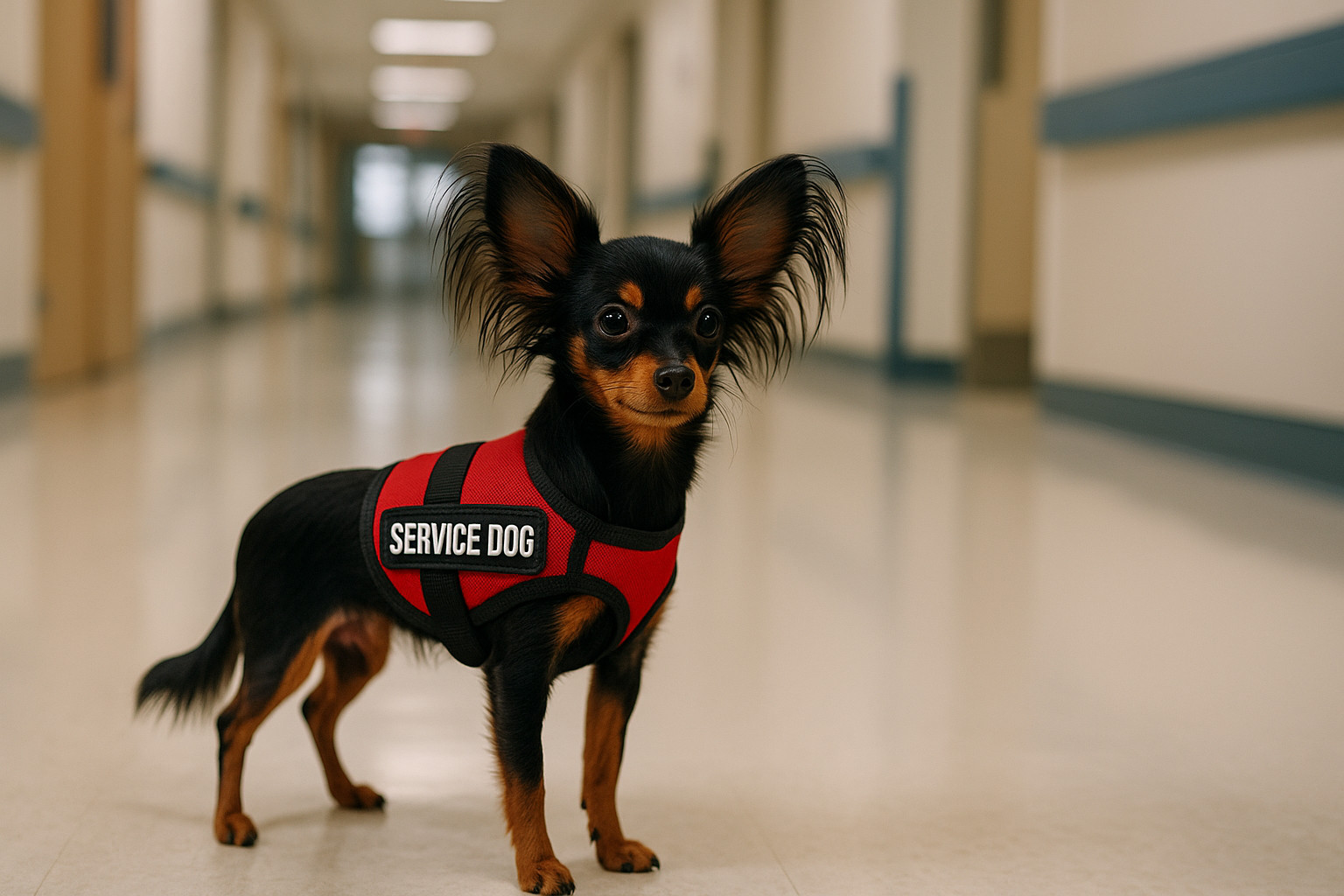
Service animals are trained to perform specific tasks that mitigate a person’s disability, such as guiding a visually impaired individual or detecting seizures. Conversely, ESAs do not require specialized training but must be prescribed by a licensed mental health professional to assist individuals with mental or emotional disabilities through companionship. The key distinction lies in an ESA’s purpose of providing emotional support, whereas a service animal performs trained tasks.
Key Federal Laws Affecting ESAs (e.g., FHA, ACAA)
Federal laws such as the Fair Housing Act (FHA) and the Air Carrier Access Act (ACAA) play significant roles in how ESAs are regulated nationwide. The FHA prohibits housing discrimination against individuals with ESAs, allowing them to live with their animals even in properties with no-pet policies. The ACAA previously covered ESAs for air travel, but changes in recent regulations now restrict ESA privileges, treating them differently than service animals. Instead, emotional support animals are often viewed as pets, with individual airlines having discretion over their policies.
State-Specific ESA Laws in Vermont
Vermont follows federal guidelines for ESAs, with additional state-specific nuances. Vermont recognizes the therapeutic benefits of ESAs and grants certain privileges in housing and employment contexts. However, it is important for ESA owners to understand the state’s specific rules and the limitations of these protections.
Housing Rights and Responsibilities
Under the FHA, Vermont landlords must provide reasonable accommodations for ESA owners, allowing them to reside with their support animals, even where pets are not typically permitted. Landlords may not charge pet fees for ESAs but can seek documentation, such as an ESA letter, verifying the need for the animal. However, an ESA can be denied accommodation if it poses a direct threat to others or causes substantial property damage.
Public Access and Accommodation
Unlike service animals, ESAs do not have the same public access rights; they are not permitted in establishments where animals are typically prohibited, such as restaurants or stores, merely based on their status as ESAs. ESA owners in Vermont should not expect access to all public spaces with their animals and must comply with individual establishment policies.
Transportation and Travel Rules
Since the recent ACAA amendments, airlines are not federally required to allow ESAs onboard. In Vermont, while some local transportation services may accommodate ESAs, this is discretionary and varies by provider. Travelers should check with specific carriers ahead of time to understand and prepare for any travel-related ESA procedures.
Register Your Dog Instantly
Employment and Workplace Considerations
In Vermont, while employment laws under the Americans with Disabilities Act (ADA) do not mandate accommodations for ESAs, some employers might voluntarily accommodate them as part of a broader commitment to mental health support. Employees are encouraged to discuss their needs with their employer, providing appropriate documentation, to reach a mutual agreement where feasible.
Documentation, Requirements, and Processes in Vermont
ESA Letters and Who Can Issue Them
An ESA letter, crucial for securing housing accommodations, must be from a licensed mental health professional who directly evaluates the individual’s condition. Professionals may include psychologists, psychiatrists, and clinical social workers. The letter should specify that the individual has a qualifying mental health condition and the ESA’s role in supporting their well-being.
Landlord, Business, and Provider Verification Rules
Landlords in Vermont may seek verification of an ESA’s legitimacy. However, privacy laws regulate the depth of information required, limiting landlords to requests for an ESA letter without delving into the tenant’s medical or therapeutic history. Establishments that typically do not allow pets are not obligated to accommodate ESAs but may verify ESA validity if they choose to allow exceptions.
Rights, Limitations, and Legal Risks
Rights ESA Owners Have in Vermont
ESA owners in Vermont have rights primarily centered around housing. They are entitled to reasonable accommodations to live with their ESA without extra pet fees or deposits. However, these rights do not extend to public access or unrestricted travel on all transportation mediums.
Limits on ESA Protections and Common Restrictions
ESA protections are limited outside of residential settings. ESAs are not entitled to access places open to the public, such as restaurants, hotels, or theaters, unless the establishment permits it. Additionally, misclassification of an ESA as a service animal to gain such access can lead to legal repercussions.
Penalties for Fraud or Misrepresentation
Misrepresenting an ESA as a service animal can result in penalties under Vermont law, including fines and community service. It undermines the legitimacy of both genuine ESAs and service animals, creating challenges for those with genuine needs.
Practical Guidance for ESA Owners in Vermont
How to Qualify for an ESA Legitimately
To lawfully qualify for an ESA, Vermonters must have a diagnosed emotional or mental health condition certified by a licensed mental health professional. Obtaining a comprehensive and precise ESA letter is critical, which details the need for the animal as part of the therapeutic process.
How to Talk to Landlords, Airlines, and Employers
Effective communication is crucial for ESA owners to ensure their rights are respected. Approaching these conversations with prepared documentation and clarity on legal protections helps mediate any misunderstandings or reluctance from landlords, airlines, and employers.
Summary of ESA Laws in Vermont
**
- Vermont ESAs provide comfort for emotional or mental health purposes and require proper documentation from a licensed professional.
- Federal laws like the FHA support ESA accommodation in housing, but public and transportation access rights are limited and vary.
- ESA rights don’t extend to public access akin to service animals; understanding these restrictions helps navigate potential hurdles.
- Misrepresenting an ESA as a service animal is subject to penalties and hinders legitimate ESAs and their owners.
- Housing accommodations must be granted without extra fees, under specific conditions.
**
This comprehensive overview of emotional support animal laws in Vermont provides essential insights and guidelines for ESA owners to properly exercise their rights while remaining aware of associated obligations and limitations.