
Overview of ESAs and Legal Definitions in South Carolina
What is an Emotional Support Animal?
An Emotional Support Animal (ESA) is a type of assistance animal recognized under federal and, in some cases, state law, which provides comfort and support to individuals with emotional or psychological conditions. Unlike service animals that are trained to perform specific tasks for individuals with disabilities, ESAs do not require specialized training. Their primary role is to provide emotional support simply through companionship, mitigating the effects of mental health conditions such as anxiety, depression, or PTSD.
How ESAs Differ from Service Animals
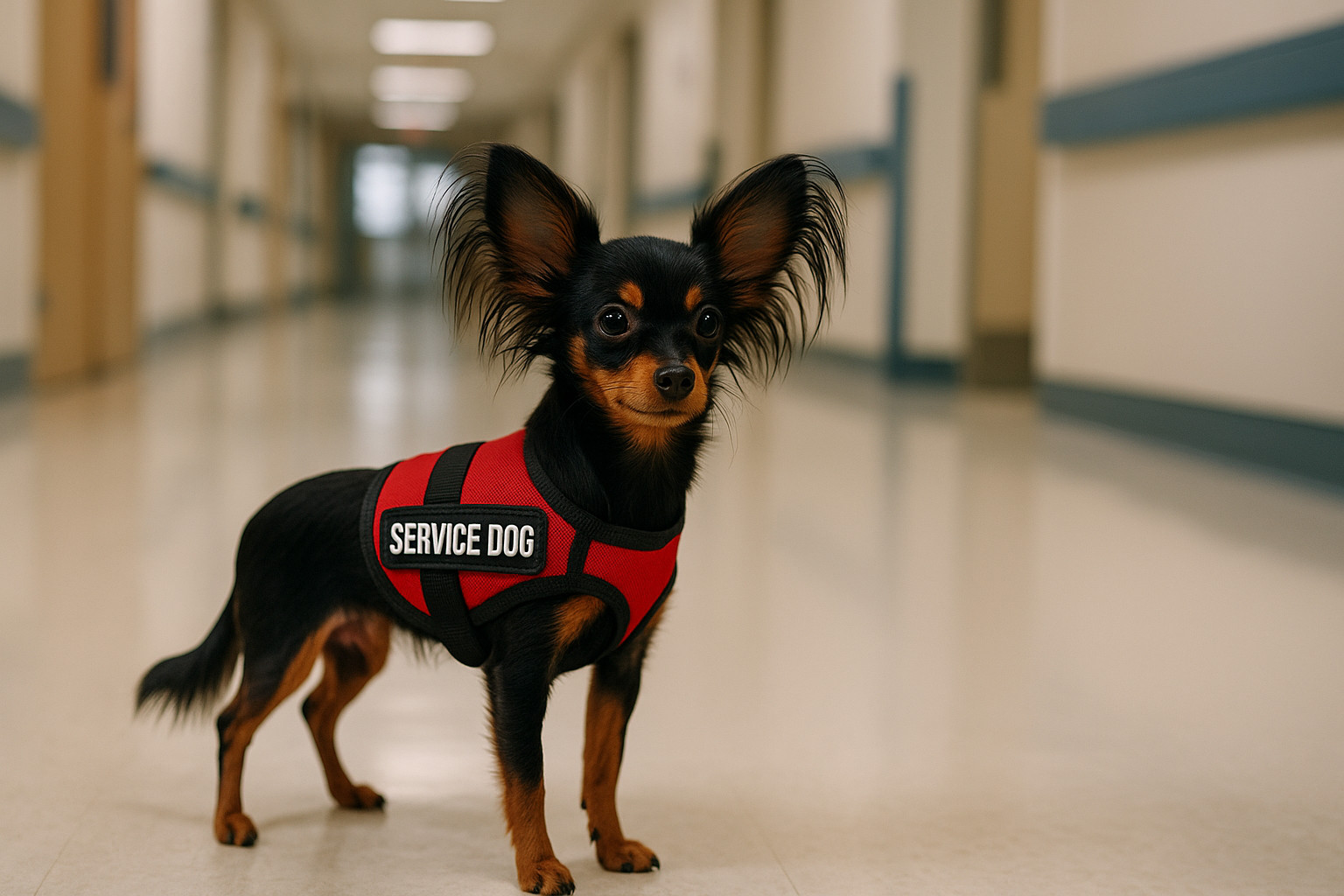
Service animals are defined under the Americans with Disabilities Act (ADA) as dogs trained to perform specific tasks for individuals with disabilities. This contrasts with emotional support animals, which are not required to have training as they do not perform tasks directly related to the disability. This distinction is crucial in legal contexts, as service animals are granted public access rights, whereas ESAs do not typically have the same level of access under the ADA but are protected under different laws for specific scenarios like housing and air travel.
Key Federal Laws Affecting ESAs (e.g., FHA, ACAA)
The Fair Housing Act (FHA) and the Air Carrier Access Act (ACAA) are two key federal laws affecting ESAs. The FHA ensures that individuals with disabilities are provided with reasonable accommodation to keep ESAs in housing, overriding pet restrictions from landlords or housing providers. Meanwhile, the ACAA formerly mandated air carriers to accommodate ESAs on flights without additional fees, although recent amendments have allowed airlines to revise their policies regarding ESAs, often treating them as pets instead.
State-Specific ESA Laws in South Carolina
Housing Rights and Responsibilities
In South Carolina, emotional support animals are protected under the FHA, allowing them to reside with their owners in housing facilities, regardless of “no pets” policies. Landlords in South Carolina must make reasonable accommodations unless the presence of the ESA poses a direct threat or results in significant physical damage to the property. Tenants are typically required to provide documentation from a licensed mental health professional to substantiate their need for an ESA.
Public Access and Accommodation
Under South Carolina law, public establishments are not required to grant access to ESAs, as they would with service animals. This means businesses, restaurants, and other public areas can legally deny entry to an ESA. However, businesses often choose to accommodate ESAs as a courtesy, though this is not mandated. The key differentiator remains the task-specific role of the animal, which ESAs, by definition, do not fulfill.
Transportation and Travel Rules
While the ACAA initially supported the right of ESAs to accompany their owners in aircraft cabins free of charge, recent regulatory changes now give airlines the discretion to treat ESAs as standard pets. Therefore, in South Carolina, those flying with ESAs should confirm specific airline policies beforehand, as they vary significantly. This often requires paying pet travel fees and ensuring the ESA can travel in a carrier that fits under the seat.
Employment and Workplace Considerations
The ADA and South Carolina state laws do not guarantee ESA access in workplaces. While an employer may voluntarily allow an ESA in the office, there is no legal requirement to do so. Employees seeking to bring an ESA to work will generally need to discuss and negotiate this accommodation directly with their employer, often supported by medical documentation detailing the ESA’s necessity for the individual’s mental health.
Register Your Dog Instantly
Documentation, Requirements, and Processes in South Carolina
ESA Letters and Who Can Issue Them
Valid ESA documentation involves a letter from a licensed mental health professional (LMHP), such as a psychologist, psychiatrist, or licensed clinical social worker. In South Carolina, the ESA letter must detail the provider’s relationship with the patient, affirm the patient’s mental or emotional disability, and confirm that the ESA provides essential support alleviating one or more of the identified symptoms.
Landlord, Business, and Provider Verification Rules
Landlords and housing providers can request documentation and may verify the credentials of the issuing mental health professional. However, they cannot demand detailed medical records or confidential information beyond the ESA letter. Businesses, given their lack of accommodation obligation, rarely process ESA letters unless their internal policies allow ESAs to access the premises.
Rights, Limitations, and Legal Risks
Rights ESA Owners Have in South Carolina
In South Carolina, ESA owners are primarily protected in housing matters. The FHA protects them from discriminatory practices by landlords who might otherwise restrict pets. Owners also have limited transportation rights under certain airlines’ policies, but these are not guaranteed across the board.
Limits on ESA Protections and Common Restrictions
Limitations on ESA protections are significant, particularly in public access and employment scenarios. ESAs do not have the same rights to accompany their owners as service animals, except in housing contexts. Misrepresentation of ESAs as service animals can result in fines and legal consequences, emphasizing the importance of legitimate documentation and honest representation of the animal’s role.
Penalties for Fraud or Misrepresentation
Misrepresenting an ESA as a service animal undermines the integrity of animal assistance programs and can result in penalties. In South Carolina, fraudulent claims can lead to fines, penalties, and sometimes court action. It is essential for ESA owners to be transparent about their animal’s role to avoid these legal pitfalls.
Practical Guidance for ESA Owners in South Carolina
How to Qualify for an ESA Legitimately
To legitimately qualify for an ESA, individuals must obtain a diagnosis of a mental or emotional disability from a licensed mental health professional. The provider must then issue an ESA letter indicating that the support animal alleviates symptoms associated with the disorder. Residents of South Carolina should ensure that this documentation is up-to-date and specific to housing needs.
How to Talk to Landlords, Airlines, and Employers
When addressing landlords, airlines, or employers, individuals should:
- Provide the necessary documentation ahead of time to avoid last-minute conflicts.
- Clearly outline the role of the ESA in their mental health regimen.
- Remain open to negotiations and accommodations that balance the ESA’s presence with the rights and concerns of others.
Summary of ESA Laws in South Carolina
Summary Table: Key Rights, Limitations, and Practical Tips
- Housing Rights: Protected under the FHA; ESAs allowed with proper documentation.
- Public Access: No guaranteed access rights as with service animals.
- Travel Notes: Check airline-specific ESA policies; many treat ESAs as pets.
- Workplace Considerations: Discuss needs directly with employer; no legal mandate for ESA accommodation.
- Documentation: Require letter from a licensed mental health professional.
- Fraud Risks: Penalties for representing an ESA as a service animal.
- Proactive Steps: Maintain current and valid ESA letters, both for legal compliance and communication purposes with landlords and service providers.
In conclusion, while South Carolina provides essential protections for ESA owners, particularly in housing, it is crucial for owners to understand both their rights and their limitations. Staying informed and prepared with appropriate documentation will help manage expectations and compliance with laws governing emotional support animals.