Overview of ESAs and Legal Definitions in New Mexico
What is an Emotional Support Animal?
An Emotional Support Animal (ESA) is a type of assistance animal that provides comfort and emotional stability to individuals with mental health conditions. Unlike service animals, ESAs do not receive specialized training to perform tasks related to a disability. Instead, their presence alone is therapeutic, alleviating symptoms of psychological disorders such as anxiety, depression, or post-traumatic stress disorder (PTSD). In New Mexico, as in many other states, the key role of an ESA is to provide emotional support through companionship, addressing an individual’s psychological well-being.
How ESAs Differ from Service Animals
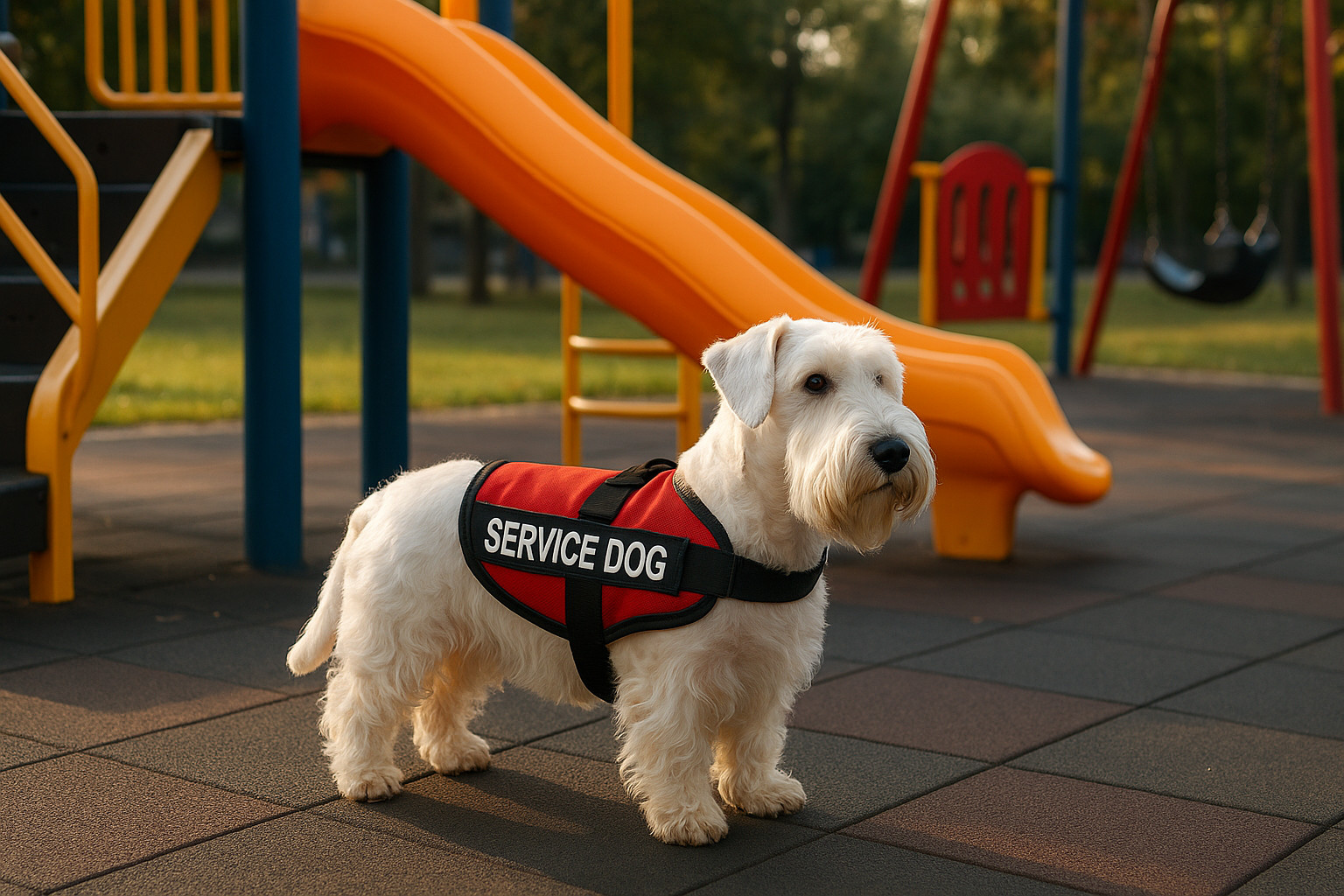
In the spectrum of assistance animals, service animals and ESAs serve different purposes and are recognized differently under the law. Service animals, often dogs, are trained to perform specific tasks for people with disabilities, such as guiding the visually impaired or alerting individuals to a sound. The Americans with Disabilities Act (ADA) recognizes service animals and grants them broad access to public spaces. Emotional support animals, however, do not undergo task-specific training. As a result, they do not have the same public access rights as service animals under ADA, but they do have certain protections under other federal laws.
Key Federal Laws Affecting ESAs (e.g., FHA, ACAA)
Federal laws provide overarching guidelines for the protection of ESAs, with the Fair Housing Act (FHA) and the Air Carrier Access Act (ACAA) being the most relevant. The FHA obligates housing providers to make reasonable accommodations for individuals with ESAs, allowing them to live with their animals despite general restrictions on pets. The ACAA used to allow ESAs to fly with their owners in the cabin without additional fees. However, rule changes in recent years now largely categorize ESAs as pets rather than service animals for air travel, limiting their automatic approval for flights. It is crucial for ESA owners to stay informed about these evolving laws and their applications in specific settings.
State-Specific ESA Laws in New Mexico
Housing Rights and Responsibilities
In New Mexico, state-specific laws align closely with federal guidelines concerning housing rights for ESA owners. Landlords are required to provide reasonable accommodations for tenants with ESAs when a legitimate need is demonstrated through appropriate documentation. This includes waiving no-pet policies and pet-related fees.
Tenants are advised to proactively present their ESA documentation, ensuring it is current and from a licensed mental health professional, to avoid any disputes. However, landlords maintain the right to refuse an ESA if it poses a direct threat to others’ health or safety, or if it would cause significant property damage.
Public Access and Accommodation
New Mexico, consistent with federal standards, does not mandate public access for ESAs. Commercial establishments, restaurants, and entertainment venues are not legally required to accommodate ESAs as they must with service animals. ESA owners should remain cognizant of where their animals are welcomed and refrain from misrepresenting ESAs as service animals, which can have legal consequences.
Transportation and Travel Rules
Transportation rules for ESAs in New Mexico primarily follow federal guidelines set forth by the Department of Transportation. While ESAs had guaranteed cabin access during flights under the ACAA, this changed with recent updates. Airlines can now treat ESAs as pets, with only service animals receiving mandatory accommodations. It is advisable for ESA owners to check specific airline policies before traveling, as each carrier may have unique regulations regarding ESA transportation.
Register Your Dog Instantly
Employment and Workplace Considerations
While New Mexico does not enforce specific laws addressing ESAs in the workplace, reasonable accommodations for mental health under the Americans with Disabilities Act (ADA) may apply indirectly. Employees may negotiate with employers to bring an ESA to work as part of a reasonable accommodation strategy. However, employer discretion is significant, and a clear demonstration of necessity can strengthen such requests.
Documentation, Requirements, and Processes in New Mexico
ESA Letters and Who Can Issue Them
For an ESA to be legally recognized, New Mexico residents must obtain an ESA letter issued by a licensed mental health professional. This document should detail the nature of the individual’s mental health condition, affirm the therapeutic benefit provided by the ESA, and include the issuer’s licensing information. Only qualified professionals such as psychologists, psychiatrists, or clinical social workers should issue these letters.
Landlord, Business, and Provider Verification Rules
Landlords, businesses, and transportation providers have the right to verify ESA documentation, ensuring compliance with both federal and state laws. They cannot, however, demand detailed medical records or excessively invasive questioning. Verification processes typically involve reviewing the ESA letter to confirm its validity and sufficiency in outlining the necessity of an ESA for the individual’s well-being.
Rights, Limitations, and Legal Risks
Rights ESA Owners Have in New Mexico
ESA owners in New Mexico benefit from significant housing rights, with landlords required to offer reasonable accommodations under the FHA. ESA owners should carry valid documentation at all times and communicate openly with involved parties, such as landlords and business establishments, where ESAs are concerned.
Limits on ESA Protections and Common Restrictions
While housing rights are robust, ESA access to public spaces is limited by law. ESAs do not have to be accommodated in establishments that do not permit pets. Furthermore, fraudulent representation of an ESA as a service animal is illegal and can lead to fines or other penalties.
Penalties for Fraud or Misrepresentation
Misrepresenting an emotional support animal as a service animal is a legal risk that New Mexico addresses alongside federal standards. Individuals found guilty of such misrepresentation may face fines or restrictions. This underscores the importance of seeking legitimate ESA certification and understanding applicable laws.
Practical Guidance for ESA Owners in New Mexico
#### How to Qualify for an ESA Legitimately
To qualify for an ESA in New Mexico, individuals must consult with a licensed mental health professional to establish the necessity of an ESA for their emotional well-being. Upon verification of a mental health condition that benefits from an ESA, the professional will issue a letter outlining its therapeutic necessity.
#### How to Talk to Landlords, Airlines, and Employers
Communicating with authority figures regarding ESAs should involve providing clear, factual information backed by legitimate documentation. ESA owners should present their letters proactively, highlight the animal’s role in their mental health management, and be prepared to answer reasonable questions while respecting their privacy rights.
Summary of ESA Laws in New Mexico
- Legal Definition: ESAs provide emotional support; they are distinct from service animals and lack specific task training.
- Housing Rights: Under FHA, ESAs are allowed in residences with appropriate documentation.
- Public Access: No public access guaranteed; misrepresenting an ESA as a service animal is illegal.
- Travel Rules: Airlines can impose pet policies on ESAs; confirm with carriers before flying.
- Employment: No specific state laws; dialogue with employers for reasonable accommodations is advised.
- Documentation: Must be issued by a licensed mental health professional, outlining the need for the ESA.
- Verification: Landlords and providers can verify documentation but not demand sensitive health details.
Understanding the differentiation between ESAs and service animals, as well as the protections and limitations at both state and federal levels, is essential for individuals considering or living with an ESA in New Mexico. By adhering to legal standards and fostering open communication with relevant parties, ESA owners can effectively navigate these laws.