
Overview of ESAs and Legal Definitions in New Jersey
In New Jersey, understanding the legal landscape concerning Emotional Support Animals (ESAs) is crucial for both ESA owners and the public. Emotional Support Animals play an important role in providing comfort and support to individuals with mental health challenges. However, it’s critical to differentiate between ESAs and service animals, understand the relevant laws, and recognize which rights and responsibilities come with ESA ownership in New Jersey.
What is an Emotional Support Animal?
An Emotional Support Animal (ESA) is a companion animal that provides therapeutic benefits to individuals with a diagnosed mental or emotional disorder. Unlike service animals, ESAs do not require specialized training to perform tasks but offer comfort through their presence. As such, ESAs can be a wide range of animals, with cats and dogs being the most common. In New Jersey, the acknowledgment of an animal as an ESA requires certification through a legitimate mental health professional.
How ESAs Differ from Service Animals
The distinction between ESAs and service animals is essential. Service animals are trained to perform specific tasks for individuals with disabilities, such as guiding the blind or alerting individuals who are deaf. Under the Americans with Disabilities Act (ADA), only dogs and, in some cases, miniature horses can be recognized as service animals. In contrast, ESAs do not require task-specific training and primarily offer emotional comfort. Consequently, ESAs have more limited access rights compared to service animals.
Key Federal Laws Affecting ESAs (e.g., FHA, ACAA)
Federal laws, including the Fair Housing Act (FHA) and Air Carrier Access Act (ACAA), play a significant role in ESA regulation. The FHA mandates that housing providers make reasonable accommodations for individuals with ESAs, allowing them to live with their animals even in “no-pet” properties. The ACAA governs the rights of ESA owners to travel with their animals via air. However, as of January 2021, the U.S. Department of Transportation amended the ACAA to exclude ESAs from the definition of service animals, leaving airlines with the discretion to treat ESAs as pets.
State-Specific ESA Laws in New Jersey
While federal regulations provide a foundational framework for ESA rights, New Jersey also has state-specific statutes that ESA owners must navigate. It’s essential for residents to understand both federal and state laws to ensure full compliance.
Housing Rights and Responsibilities
Under New Jersey law, ESAs are primarily protected in housing scenarios through the Fair Housing Act. Landlords are usually required to provide reasonable accommodations for ESAs even if the property has a “no pets” policy, provided the tenant has adequate documentation. Landlords can, however, request proof of need in the form of an ESA letter from a licensed mental health professional. It is important for both tenants and landlords to communicate clearly to ensure understanding and compliance with these laws.
Public Access and Accommodation
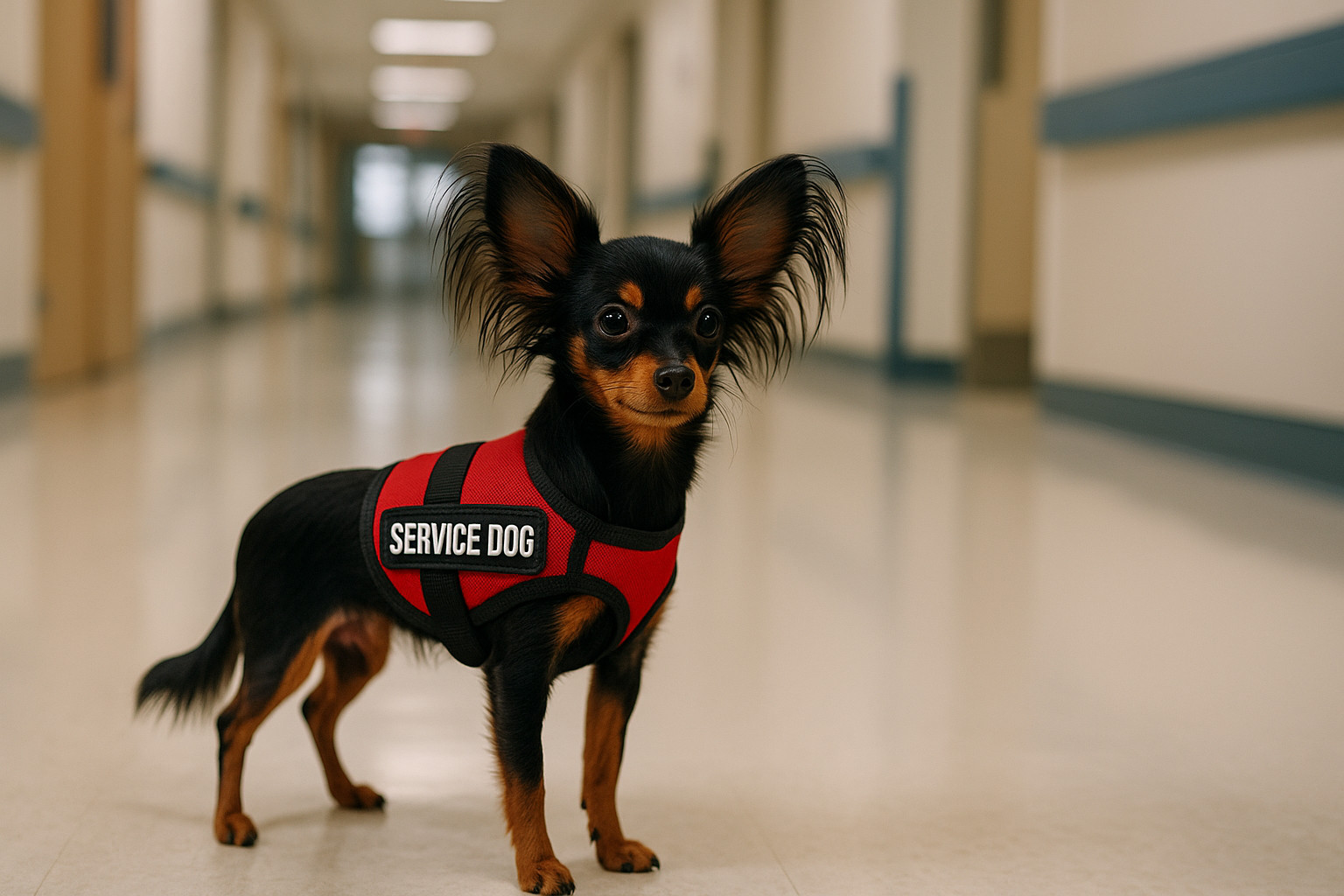
In New Jersey, ESAs do not have the same public access rights as service animals. Retail establishments, restaurants, and other public venues are not required to allow ESAs access. This limitation underscores the importance of differentiating between ESAs and service animals when in public spaces.
Register Your Dog Instantly
Transportation and Travel Rules
With the changes to the ACAA, airlines are not mandated to accept ESAs for travel. However, some individual airlines may choose to accommodate them under specific conditions. ESA owners in New Jersey should inquire with their carrier in advance of travel to confirm policies and required documentation.
Employment and Workplace Considerations
The role of ESAs in the workplace is less clear-cut. Under the ADA, employers are not required to accommodate ESAs. However, employers may choose to allow ESAs as a reasonable accommodation under certain circumstances. Employees wishing to bring an ESA to work must provide appropriate documentation and engage in open dialogue with their employer about their needs.
Documentation, Requirements, and Processes in New Jersey
Proper documentation is essential for ESA owners in New Jersey to ensure their rights are protected. Understanding who can issue these documents and what they must include is vital for compliance.
ESA Letters and Who Can Issue Them
An ESA letter must be issued by a licensed mental health professional, such as a psychologist, psychiatrist, or licensed clinical social worker. The letter should verify the individual’s need for the animal to assist with a mental health-related disability. It should also include details such as the professional’s licensing information and a statement confirming the individual’s treatment relationship with the professional.
Landlord, Business, and Provider Verification Rules
Landlords and travel providers may request verification of an individual’s need for an ESA. However, they cannot demand detailed medical records or demand disclosure of the specific disability. Verifying an ESA letter, ensuring the information is current and valid, and contacting the issuing professional for confirmation are typical steps businesses might take to authenticate an ESA claim.
Rights, Limitations, and Legal Risks
Understanding legal entitlements, restrictions, and potential legal consequences is crucial for ESA owners in New Jersey. This section will thoroughly explore these aspects to aid compliance and promote awareness.
Rights ESA Owners Have in New Jersey
ESA owners in New Jersey have specific rights primarily centered around housing. They have the right to reasonable accommodations in housing and cannot be denied access purely based on the presence of an ESA. Additionally, retaliation against ESA owners for exercising their legal rights is prohibited.
Limits on ESA Protections and Common Restrictions
While ESA owners do enjoy certain protections, limitations exist. Public venues are not obligated to grant access to ESAs, and airlines are not required to accommodate them as they do service animals. Additionally, landlords can deny ESA accommodation if the animal poses a direct threat to others or if accommodating the ESA would impose an undue financial burden.
Penalties for Fraud or Misrepresentation
Fraudulently presenting an animal as an ESA or service animal poses significant risks. Legal repercussions may include fines and penalties, and can undermine the credibility of legitimate ESA claims. It is vital for ESA owners to represent their animals honestly and comply with all legal requirements.
Practical Guidance for ESA Owners in New Jersey
Living as an ESA owner in New Jersey requires adherence to the law and proactive measures to avoid disputes. This section presents practical advice to navigate these responsibilities effectively.
How to Qualify for an ESA Legitimately
To qualify for an ESA, individuals must have a verifiable disability and require the animal for emotional support. Consulting with a mental health professional who can diagnose the specific condition and provide an ESA letter is a crucial first step. It is essential to ensure the legitimacy of the professional and the documentation to avoid legal complications.
How to Talk to Landlords, Airlines, and Employers
Effective communication is key when discussing ESAs with landlords, airlines, and employers. Be prepared to present legitimate documentation and engage in open discussions about your needs and rights. Politeness and informed dialogue can help facilitate a smooth process and foster understanding.
Summary of ESA Laws in New Jersey
Here’s a summary of key rights, limitations, and practical tips for ESA owners in New Jersey:
- Legal Definition: ESAs provide emotional support; they are not the same as service animals.
- Federal Laws: The FHA protects housing rights for ESA owners, but public access and travel rights are limited.
- State Laws: Align with federal, offering housing accommodations but not public access rights equivalent to service animals.
- Rights: ESA owners have housing rights under the FHA, including accommodations in no-pet housing.
- Limitations: No public access rights; genuine need and documentation required for housing.
- Documentation: Must be provided by a licensed mental health professional; confirm authenticity.
- Risks: Misrepresentation can lead to fines/legal penalties; ensure compliance.
- Practical Steps: Obtain a valid ESA letter, communicate clearly with entities involved, and be honest about ESA status.
By adhering to these guidelines and understanding the nuances of Emotional Support Animal laws in New Jersey, ESA owners can ensure that they exercise their rights responsibly and effectively.