Emotional Support Animals (ESAs) are a critical component in the well-being of many individuals suffering from mental health conditions. In Montana, as in many states, understanding the specific laws and regulations surrounding ESAs is vital for both owners and the general public. This comprehensive guide delves into the nuances of ESA laws in Montana, covering the legal definitions, rights, and responsibilities associated with owning an ESA.
Overview of ESAs and Legal Definitions in Montana
What is an Emotional Support Animal?
An Emotional Support Animal provides therapeutic benefit through companionship, alleviating symptoms of various mental or emotional disabilities. Unlike service animals, ESAs do not require specific training to perform tasks that aid individuals with disabilities. Their primary function is to be present and provide comfort, which can significantly improve the emotional and mental well-being of their owners.
How ESAs Differ from Service Animals
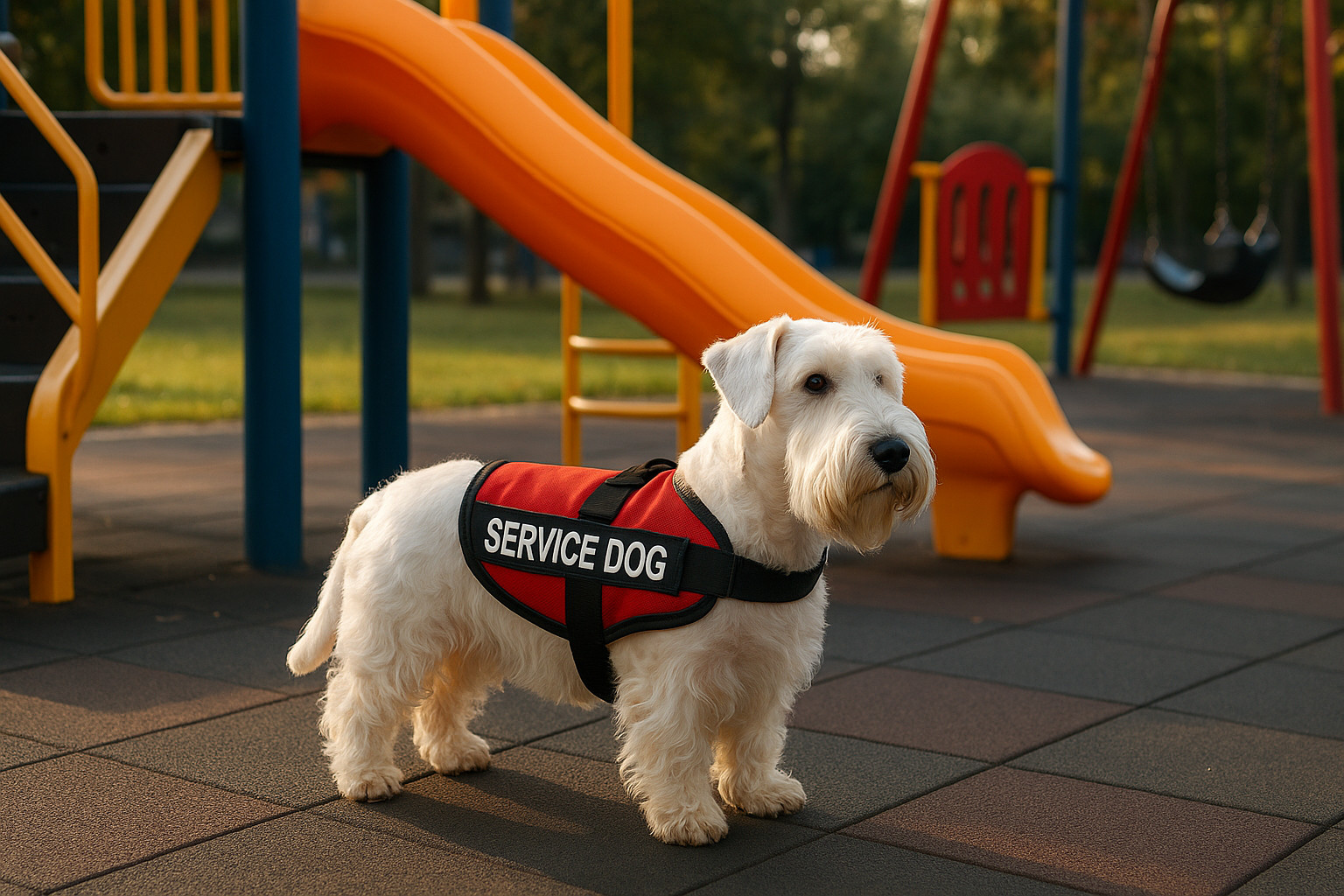
Service animals are specially trained to perform tasks for individuals with disabilities, such as guiding individuals who are visually impaired or alerting those with hearing impairments. Unlike ESAs, service animals have greater access rights under the Americans with Disabilities Act (ADA). ESAs, on the other hand, are not considered service animals and thus have limited protections under federal and state laws, focusing primarily on housing and air travel.
Key Federal Laws Affecting ESAs
Federal laws play a significant role in the protection and recognition of ESAs, with the most notable being:
- Fair Housing Act (FHA): Mandates that individuals with ESAs should be afforded reasonable accommodations in housing situations, even in properties that have a ‘no pets’ policy.
- Air Carrier Access Act (ACAA): Previously provided accommodations for ESAs in air travel, but recent amendments by the U.S. Department of Transportation now classify ESAs as pets for air travel purposes, leaving airline policies to dictate their accommodation.
State-Specific ESA Laws in Montana
Housing Rights and Responsibilities
In Montana, the Fair Housing Act requires landlords to make reasonable accommodations for individuals with a documented need for an ESA. Tenants cannot be denied housing or charged pet fees for having an ESA, provided they can present a valid ESA letter from a licensed mental health professional. However, accommodations may not be required in cases where the presence of the animal would cause undue financial or administrative burden, or if the animal poses a direct threat to the health or safety of others.
Public Access and Accommodation
Montana aligns with federal guidelines, which do not typically grant ESAs access to public areas that are not pet-friendly. Unlike service animals, ESAs are generally not allowed in places like restaurants, stores, or public transportation by default. Understanding these restrictions is crucial for ESA owners to avoid legal issues and misconceptions.
Transportation and Travel Rules
Following federal changes, airlines flying to and from Montana may consider ESAs as regular pets. ESA owners should check specific airline policies in advance and be prepared to cover any associated pet fees. For ground transportation, policies may vary, and notifying and verifying with service providers is a prudent approach.

Register Your Dog Instantly
Employment and Workplace Considerations
While the ADA does not mandate employers to allow ESAs in the workplace, some Montana employers may choose to do so as a reasonable accommodation under the ADA’s provisions on workplace flexibility. ESA owners should engage in open dialogues with employers and provide necessary documentation to support their case for workplace accommodations.
Documentation, Requirements, and Processes in Montana
ESA Letters and Who Can Issue Them
To qualify for the protections under the FHA, individuals in Montana must obtain an ESA letter signifying their need for an emotional support animal. This documentation must be issued by a licensed mental health professional, such as a psychologist, psychiatrist, or licensed counselor. The letter should specify that the individual has a mental health-related disability and that the ESA is necessary to alleviate symptoms of that condition.
Landlord, Business, and Provider Verification Rules
Verification requirements vary, but generally, landlords will require an ESA letter as proof of necessity. Montana tenants should provide this documentation promptly to ensure accommodations can be made without unnecessary stress. Business owners and service providers, while not typically obligated to accept ESAs, should be aware of the legal distinctions between ESAs and service animals to avoid discrimination claims.
Rights, Limitations, and Legal Risks
Rights ESA Owners Have in Montana
ESA owners in Montana are entitled to specific rights, primarily around housing. They can seek accommodations in housing situations where pets might otherwise be prohibited. This protection is founded on the necessity of the ESA for managing the owner’s mental or emotional disability.
Limits on ESA Protections and Common Restrictions
The most considerable limitation of ESA laws in Montana pertains to public access. While ESAs provide significant comfort to their owners, they are not granted the same public access as service animals. Misunderstandings about these differences can lead to legal disputes, which ESA owners should actively work to avoid by understanding where they can and cannot bring their ESAs.
Penalties for Fraud or Misrepresentation
Misrepresenting an ESA as a service animal is not only unethical but can lead to legal penalties. In Montana, falsely claiming a pet as an ESA or service animal to gain unwarranted access or privileges can result in fines and undermine the credibility of legitimate ESA needs.
Practical Guidance for ESA Owners in Montana
How to Qualify for an ESA Legitimately
To qualify for an ESA in Montana, individuals should consult with a mental health professional who can evaluate their condition and, if appropriate, provide an ESA letter. This process ensures that those claiming the need for an ESA are genuinely benefiting from the therapeutic advantages that such animals offer.
How to Talk to Landlords, Airlines, and Employers
Clear communication is key when discussing the role of an ESA with landlords, airlines, and employers. Presenting appropriate documentation upfront and explaining the necessity of the ESA can lead to a more understanding and cooperative environment. Preparing to answer questions about the ESA’s behavior and training can also help facilitate these conversations.
Summary of ESA Laws in Montana
Understanding ESA laws in Montana empowers both owners and the public to respect and adhere to the rights and limitations associated with these vital support animals. Here’s a quick guide to keep in mind:
Summary Checklist for ESA Owners in Montana:
- Housing: ESAs are protected under the FHA; tenants cannot be denied housing due to ESA but must provide a valid ESA letter.
- Public Access: ESAs do not have the same access rights as service animals in public spaces.
- Travel: ESA travel policies vary by airline, generally treated as pets; check with carriers for specific rules.
- Employment: No automatic accommodations; requires negotiation with employers and proving ESA necessity.
- Documentation: Valid ESA letters must be issued by licensed mental health professionals.
- Fraud Risks: Misrepresenting ESAs can lead to legal penalties; ensure compliance with true ESA role and function.
Ultimately, ESA owners in Montana must remain informed about their rights and obligations and work collaboratively with landlords, employers, and service providers to ensure that their ESAs continue to support their emotional and psychological well-being effectively.