
Overview of ESAs and Legal Definitions in Minnesota
What is an Emotional Support Animal?
An Emotional Support Animal (ESA) is an animal that offers comfort and emotional support to individuals with mental health conditions, leading to improved symptoms. Unlike service animals, ESAs do not require specific training to perform tasks related to a disability. They are primarily there to provide emotional stability and companionship to their owners.
How ESAs Differ from Service Animals
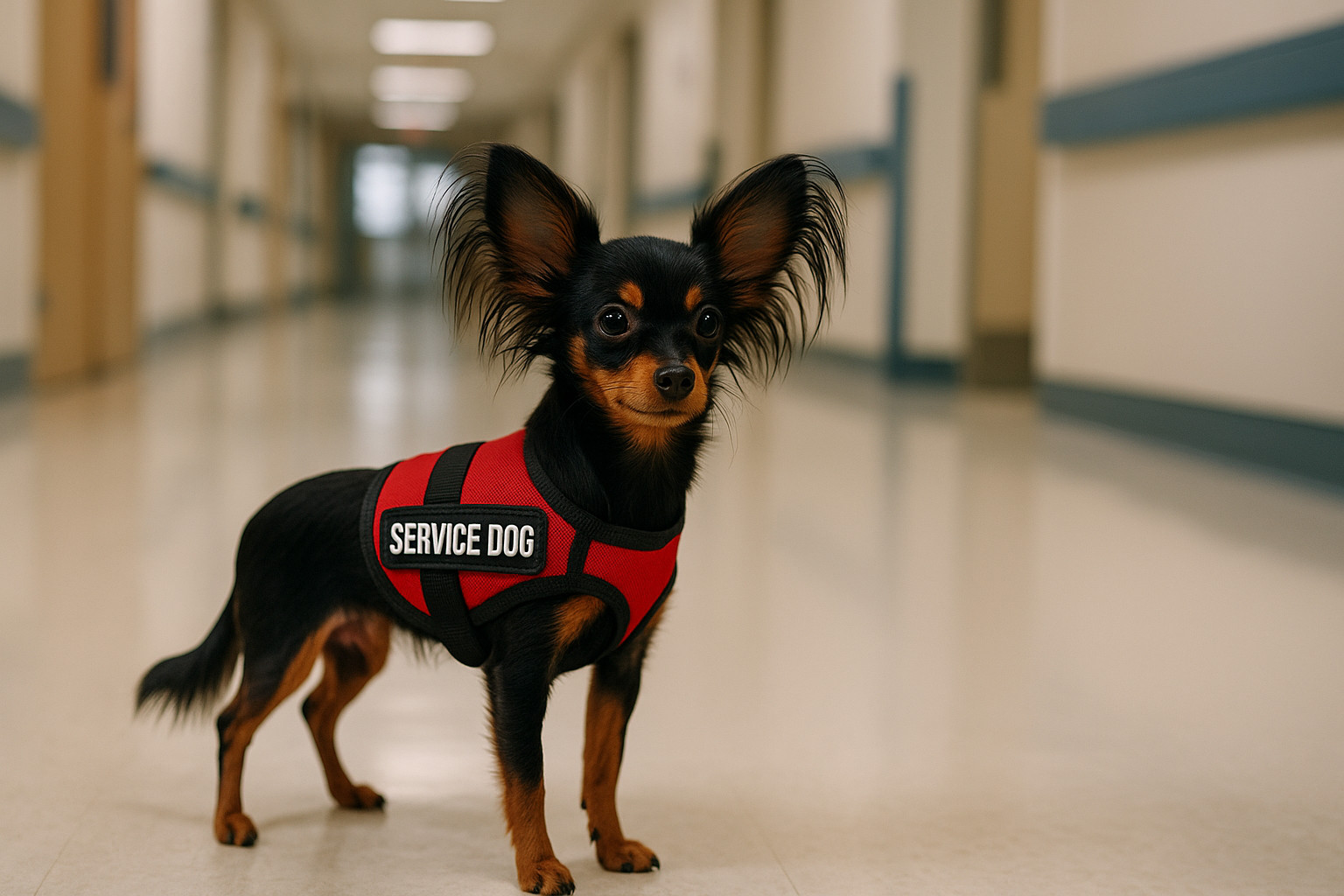
ESAs and service animals serve different purposes under the law. Service animals are trained to perform specific tasks for people with disabilities, such as guiding the visually impaired or alerting deaf individuals to sounds. In contrast, ESAs provide emotional comfort and do not require specialized training. This fundamental difference influences the rights and access granted to each under various laws.
Key Federal Laws Affecting ESAs (e.g., FHA, ACAA)
The Fair Housing Act (FHA) ensures individuals with disabilities have equal opportunities in housing and can live with their ESAs without facing discrimination from landlords. The Air Carrier Access Act (ACAA) previously allowed ESAs to travel in aircraft cabins, but recent amendments now require ESA owners to comply with airline policies, often treating ESAs like pets unless they meet service animal criteria.
State-Specific ESA Laws in Minnesota
Housing Rights and Responsibilities
Under Minnesota’s application of the Fair Housing Act, landlords must accommodate ESAs by waiving no-pet policies and related fees for individuals with a qualifying disability. ESA owners must provide documentation, such as a letter from a licensed mental health professional, affirming the need for the animal. Landlords cannot demand pet deposits or additional fees but can charge for damage caused by the ESA.
Public Access and Accommodation
Minnesota’s public accommodation laws do not grant ESAs the same access as service animals. ESAs are not allowed in all public places, such as restaurants and shopping centers, unless the specific location has a policy that permits pets or ESAs. The distinction between ESAs and service animals is crucial in determining public access rights.
Transportation and Travel Rules
For public transportation within Minnesota, ESAs generally follow pet policies, barring specific rights or accommodations. When flying, ESA owners must adhere to individual airline policies, as the ACAA no longer recognizes ESAs for special accommodation without charging the same fees as for pets. Some airlines offer exceptions for psychiatric service dogs with proper documentation.
Employment and Workplace Considerations
Under the Americans with Disabilities Act (ADA), employers in Minnesota are not required to accommodate ESAs. However, employees may negotiate with their employers by providing appropriate documentation that outlines their need for an ESA. Such negotiations are subject to employer discretion, focusing on workplace culture and policy.
Register Your Dog Instantly
Documentation, Requirements, and Processes in Minnesota
ESA Letters and Who Can Issue Them
An ESA letter is mandatory for ESA recognition under housing laws in Minnesota. This letter must be issued by a licensed mental health professional such as a psychologist, psychiatrist, social worker, or primary care physician. The letter must establish the patient’s need for the ESA as part of their treatment for a diagnosed mental health condition.
Landlord, Business, and Provider Verification Rules
Landlords have the right to verify the authenticity of an ESA letter by contacting the licensed professional who issued it. However, they cannot request detailed medical records or demand specific certifications. Business owners and service providers may ask for verbal assurance or written documentation, but they, like landlords, cannot demand extensive medical information.
Rights, Limitations, and Legal Risks
Rights ESA Owners Have in Minnesota
ESA owners in Minnesota have the right to live with their animal in housing that typically enforces a no-pet policy, provided they have valid documentation. They are also protected from extra pet fees and deposits. However, these rights do not extend to unrestricted public access, where ESAs can be refused entry unless specified by the facility’s own policies.
Limits on ESA Protections and Common Restrictions
The limitations in Minnesota include restrictions on public access and the lack of specific employment accommodations. ESAs are not permitted in areas where pets are generally banned, such as restaurant dining areas and certain shopping centers. Public transport and airline travel often categorize ESAs as pets in terms of fee structures and access.
Penalties for Fraud or Misrepresentation
Misrepresenting a pet as an ESA or particularly as a service animal can result in legal penalties. This could include fines or eviction from rental properties. Ethical considerations aside, fraudulent misrepresentation undermines the credibility and acceptance of legitimate ESA ownership and may lead to stricter regulations and fewer accommodations over time.
Practical Guidance for ESA Owners in Minnesota
How to Qualify for an ESA Legitimately
ESA qualification in Minnesota involves obtaining a legitimate letter from a licensed mental health professional. The professional should have an ongoing therapeutic relationship with the patient and explicitly state the need for an ESA in mitigating symptoms of a diagnosed mental condition.
How to Talk to Landlords, Airlines, and Employers
When approaching landlords, airlines, and employers, it is advisable for ESA owners to present their documentation calmly and confidently. They should be prepared to explain the role of their ESA in supporting their mental health. Maintaining honesty and transparency while respecting the policies of businesses and service providers helps avoid conflicts and misunderstandings.
Summary of ESA Laws in Minnesota
- ESAs are legally recognized to provide emotional support without task-specific training.
- Minnesota landlords must accommodate ESAs by waiving pet fees or restrictions under FHA regulations with appropriate documentation.
- Public access for ESAs is limited compared to service animals, affecting access to places like restaurants and public transport.
- ESA letters must be issued by a licensed mental health professional in an ongoing patient relationship.
- Misrepresentation of a pet as an ESA can result in legal and financial penalties.
- Practical advice for ESA owners includes open communication and proper documentation presentation to landlords, airlines, and employers.
By understanding these rights, limitations, and procedures, ESA owners in Minnesota can ensure compliance with local laws and navigate the symbiotic relationship between emotional support needs and legal regulations efficiently.