
Overview of ESAs and Legal Definitions in Georgia
What is an Emotional Support Animal?
Emotional Support Animals (ESAs) provide comfort and emotional stability to individuals experiencing mental health conditions such as anxiety, depression, or PTSD. Unlike service animals, ESAs are not trained to perform specific tasks but instead offer general support through companionship. Under Georgia law, an ESA is recognized by the individual’s need for this support, prescribed by a licensed mental health professional.
How ESAs Differ from Service Animals
Understanding the distinction between ESAs and service animals is crucial. Service animals, primarily dogs, are trained to perform tasks directly related to a physical disability, such as guiding a visually impaired person. In contrast, ESAs do not require specialized training. This distinction influences both state and federal regulations regarding public access and accommodation, as ESAs do not enjoy the same extensive access rights as service animals.
Key Federal Laws Affecting ESAs (e.g., FHA, ACAA)
Federal laws significantly impact ESA regulations across the U.S., including Georgia. The Fair Housing Act (FHA) prohibits discrimination in housing against individuals with disabilities and ensures reasonable accommodations for ESAs in housing settings that typically prohibit pets. The Air Carrier Access Act (ACAA) previously allowed ESAs to fly in the cabin with their owners, but rules have shifted, granting airlines the discretion to limit ESAs on flights.
State-Specific ESA Laws in Georgia
Georgia adheres to federal guidelines while also imposing its specific requirements and regulations concerning ESAs. The state’s laws ensure that ESA owners have the right to accommodation in housing but do not grant public access beyond what the federal guidelines require. Understanding these state-specific details helps ESA owners navigate their rights and limitations effectively in Georgia.
Housing Rights and Responsibilities
Under Georgia law, ESA owners have rights under the FHA to live with their supportive animals in housing that typically bans pets. This right requires landlords to provide reasonable accommodation unless the ESA presents a direct threat to the safety or property of others. Landlords can request documentation proving the need for an ESA, but they cannot charge additional fees typically associated with pets.
Public Access and Accommodation
In Georgia, ESAs do not have the same public access rights as service animals. They are not permitted in public establishments, such as restaurants or stores, purely based on ESA status. This limitation requires ESA owners to understand that their animals are only protected in specific environments, such as their personal residence.
Transportation and Travel Rules
The Department of Transportation’s updated ACAA regulations (as of 2021) influence ESA travel rules significantly. While service animals are still granted access, airlines can now treat ESAs as regular pets, which may involve additional fees or restrictions. Georgia ESA owners must consult with airlines prior to travel to understand any requirements or costs associated with transporting an ESA.
Register Your Dog Instantly
Employment and Workplace Considerations
Employers in Georgia are not required by law to accommodate ESAs in the workplace. Individuals seeking to bring an ESA to work should engage in open conversations with their employer, fostering understanding and potentially negotiating accommodations on a case-by-case basis. Documenting the need for an ESA through a proper evaluation by a mental health professional can facilitate these discussions.
Documentation, Requirements, and Processes in Georgia
ESA Letters and Who Can Issue Them
In Georgia, an ESA must be prescribed by a licensed mental health professional, which includes clinical social workers, psychologists, and psychiatrists. An ESA letter should state the individual’s need for emotional support and the therapeutic benefits provided by the animal. This letter is essential for accessing housing accommodations and must be up-to-date and valid.
Landlord, Business, and Provider Verification Rules
For landlords and service providers, verification rules require acknowledgment of ESA documentation while maintaining privacy in accordance with HIPAA. Landlords may request verification of an ESA’s status but cannot scrutinize the individual’s medical records. Proper documentation helps protect both the owner’s privacy and the landlord’s rights.
Rights, Limitations, and Legal Risks
Rights ESA Owners Have in Georgia
ESA owners in Georgia have the right to live with their animals under the Fair Housing Act. This includes the right to reasonable accommodation in housing settings, ensuring that landlords cannot impose fees or restrict access based solely on a no-pets policy. However, owners must provide appropriate documentation when required.
Limits on ESA Protections and Common Restrictions
Limitations on ESAs in Georgia include restricted public access, as ESAs are not allowed in non-pet-friendly public settings and places of employment. Landlords may also deny accommodation if the ESA poses a direct threat or causes substantial property damage. ESAs are not granted special rights in air travel or other public transportation modes since the changes to the ACAA.
Penalties for Fraud or Misrepresentation
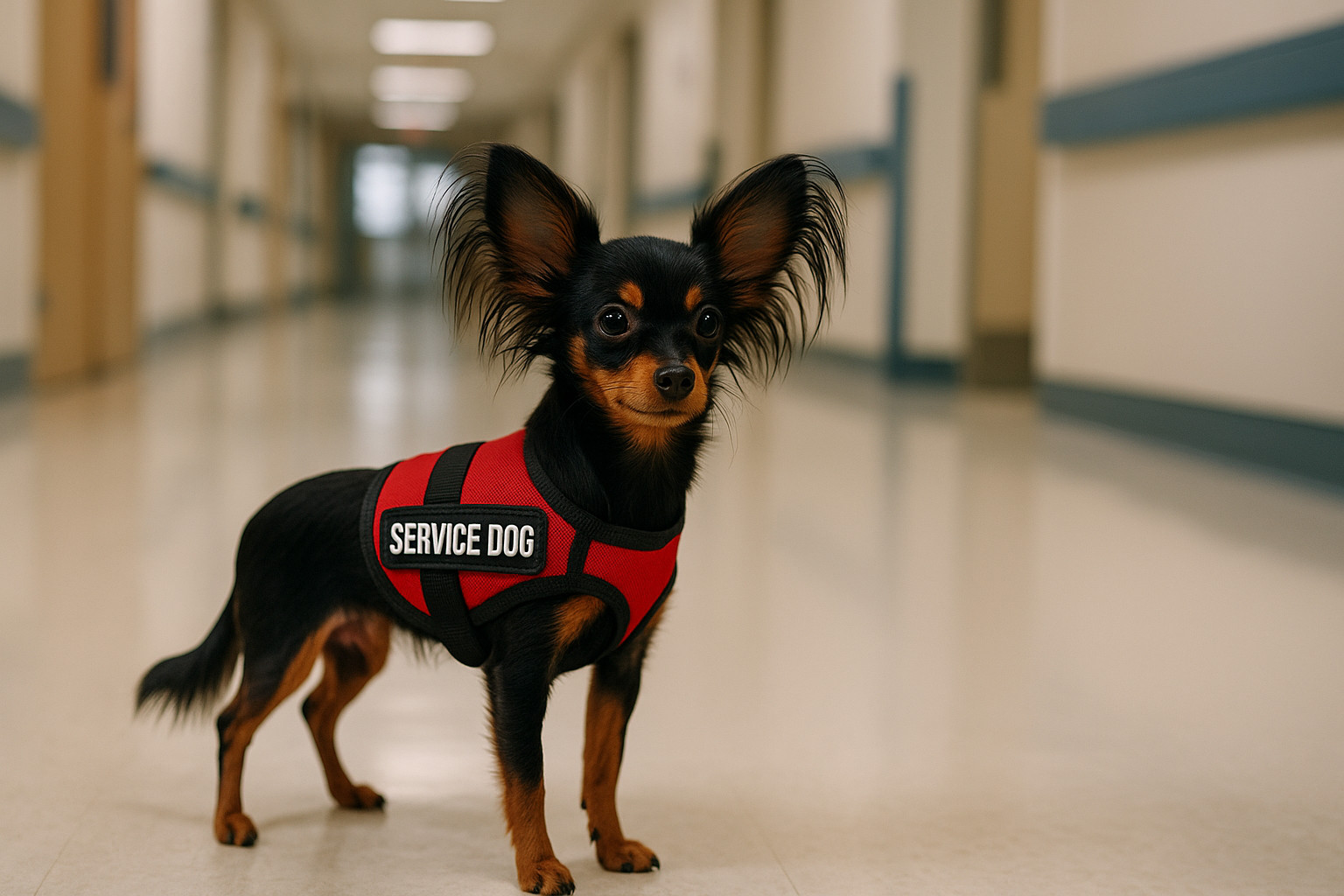
Misrepresenting an ESA as a service animal is not only unethical but also illegal. In Georgia, fraudulent claims can lead to penalties, including fines. Such actions undermine the legitimacy of service animals and ESAs, making it imperative for owners to understand and respect the legal distinctions and rules.
Practical Guidance for ESA Owners in Georgia
How to Qualify for an ESA Legitimately
Individuals seeking to qualify for an ESA should consult with a licensed mental health professional who can evaluate the need for emotional support. Obtaining a legitimate ESA letter is crucial for housing accommodations. This involves an assessment of the mental or emotional condition and how the support animal aids in treatment.
How to Talk to Landlords, Airlines, and Employers
Effective communication with landlords, airlines, and employers is vital. Present clear and valid ESA documentation when requested, explaining the rights under the FHA or other applicable laws. Demonstrating knowledge of both federal and state regulations builds credibility and facilitates smoother interactions.
Summary of ESA Laws in Georgia
Key Points for ESA Owners in Georgia:
- ESAs provide emotional support and are distinct from service animals; public access is limited compared to service animals.
- Housing rights under the FHA require landlords to accommodate ESAs; however, public and workplace accommodations are not guaranteed.
- Federal laws, such as the FHA and revised ACAA rules, interact with Georgia-specific regulations to shape ESA owners’ rights.
- Valid documentation from a licensed mental health professional is crucial for legal recognition and accommodation of ESAs.
- Misrepresentation of ESAs can result in legal penalties; honesty and compliance with legal standards are essential.
- Effective communication and understanding of rights help ESA owners navigate interactions with employers and landlords successfully.
By following these guidelines and respecting both federal and state ESA laws, residents of Georgia can ensure that they remain informed and legally compliant ESA owners.