
Overview of ESAs and Legal Definitions in District Of Columbia
In the District of Columbia, emotional support animals (ESAs) play a crucial role in providing comfort and support to individuals with mental health challenges. Understanding the legal framework governing ESAs in this jurisdiction is essential for owners, landlords, and the general public. This guide delves into the definitions, rights, and responsibilities associated with ESAs in the District of Columbia, emphasizing the interplay between federal and local laws.
What is an Emotional Support Animal?
An emotional support animal is a companion animal that provides therapeutic benefit to individuals with a mental or emotional disability. Unlike service animals that are trained to perform specific tasks for individuals with disabilities, ESAs serve primarily to offer emotional and psychological support. In the District of Columbia, as in other jurisdictions, ESAs are not required to undergo specialized training, but they must be prescribed by a licensed mental health professional.
How ESAs Differ from Service Animals
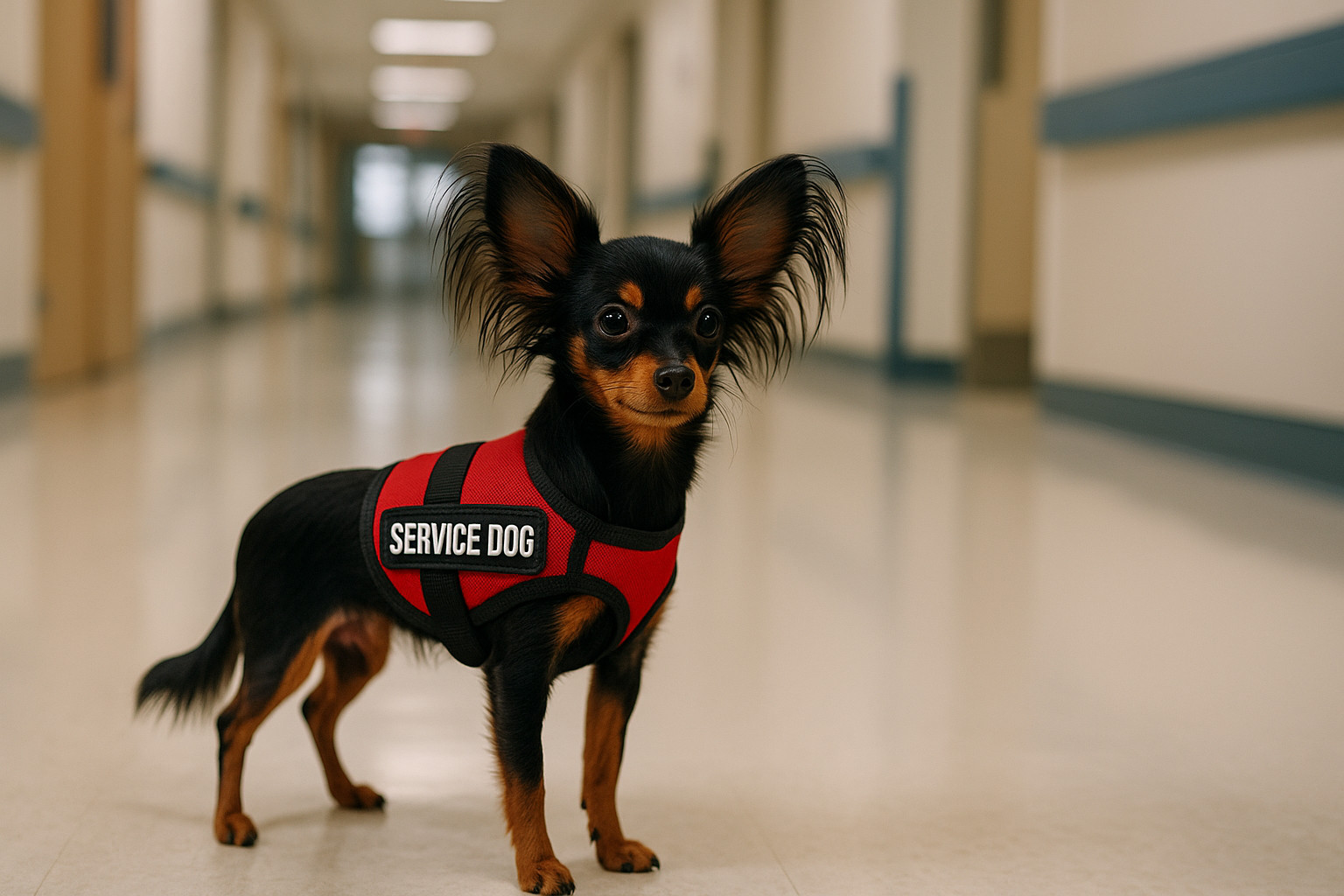
Service animals, under the Americans with Disabilities Act (ADA), are specifically trained to perform tasks that assist individuals with disabilities. These can include guiding individuals who are visually impaired or alerting individuals with hearing impairments. Unlike ESAs, service animals have broad access rights to public spaces. In contrast, ESAs do not have the same unfettered access to public areas as they primarily provide emotional support rather than performing tasks or duties.
Key Federal Laws Affecting ESAs (e.g., FHA, ACAA)
Federal laws such as the Fair Housing Act (FHA) and the Air Carrier Access Act (ACAA) significantly influence the rights and regulations surrounding ESAs. The FHA mandates that housing providers make reasonable accommodations for individuals with disabilities, which includes allowing ESAs in properties that otherwise impose restrictions on pets. Meanwhile, the ACAA previously required airlines to accommodate ESAs, though recent changes now give airlines more discretion to treat ESAs as regular pets under their own policies.
State-Specific ESA Laws in District Of Columbia
Beyond federal regulations, the District of Columbia has its own set of laws and guidelines that influence how ESAs are addressed within housing, public access, and more. Local statutes may supplement federal law, providing additional context or stipulations that pertain specifically to residents and officials within the district.
Housing Rights and Responsibilities
Under the FHA applicable in the District of Columbia, tenants with ESAs have the right to request reasonable accommodation in housing situations, even when a property has a no-pets policy. Housing providers cannot charge pet fees for ESAs but may require documentation to justify the need for an ESA. Landlords are allowed to request verification from a healthcare professional that an ESA is necessary for the tenant’s mental health.
Public Access and Accommodation
In terms of public access, the District of Columbia aligns with federal standards that do not automatically grant ESAs the right to enter public spaces where pets are not typically allowed, such as restaurants or shopping malls. Public accommodation primarily pertains to service animals under ADA, distinguishing them from the role and access rights of emotional support animals.
Register Your Dog Instantly
Transportation and Travel Rules
Travel regulations concerning ESAs, especially air travel, have evolved with shifts in federal guidelines. While previously ESAs were accommodated similarly to service animals on aircraft, recent regulatory updates now permit airlines to handle ESAs in the same way as pets. In the District of Columbia, compliance with these federal airline rules is required for residents traveling with ESAs.
Employment and Workplace Considerations
The Workplace is another environment where the distinction between service animals and ESAs is crucial. In the District of Columbia, employers are not obligated under the ADA to allow ESAs in the office unless the ESA meets the criteria under specific company policies or if accommodating the ESA would enable the employee to perform essential job functions effectively without placing an undue hardship on the employer.
Documentation, Requirements, and Processes in District Of Columbia
Proper documentation is vital for ESA owners in the District of Columbia to ensure their rights and avoid potential legal obstacles in housing and transportation contexts.
ESA Letters and Who Can Issue Them
ESA letters must be issued by a licensed mental health professional, and they serve as verification that the animal’s presence alleviates symptoms of the individual’s mental health condition. The letter should be current, typically within the last year, to be considered valid for housing accommodation requests.
Landlord, Business, and Provider Verification Rules
People seeking ESA accommodations in the District of Columbia must provide necessary documentation when requested by landlords or businesses. These verifications help understand the necessity of the ESA for its owner’s mental well-being. Compliance with requests helps facilitate smoother interactions between ESA owners and property managers.
Rights, Limitations, and Legal Risks
Rights ESA Owners Have in District Of Columbia
In the District of Columbia, the rights of ESA owners span reasonable housing accommodations, allowing them to live with their ESA without facing discrimination or pet fees. These rights extend to seeking accommodations provided documentation supports the necessity of the ESA.
Limits on ESA Protections and Common Restrictions
There are distinct limits on where and how ESA protections apply. ESAs do not automatically gain access to public spaces like businesses, but they must be accommodated reasonably in housing as mandated by the FHA. They also do not enjoy automatic access to airlines as before, with owners subject to individual airline policies that may restrict ESAs to pet transport policies.
Penalties for Fraud or Misrepresentation
Misrepresenting pets as ESAs or falsely claiming the need for an ESA when no legitimate mental health condition is present can lead to legal penalties. In the District of Columbia, like many places, fraudulent representations are considered illegal and can result in fines or other disciplinary actions.
Practical Guidance for ESA Owners in District Of Columbia
How to Qualify for an ESA Legitimately
To qualify for an ESA, individuals must receive a valid prescription or recommendation from a licensed mental health professional. Engaging with a healthcare provider who understands the individual’s mental health needs and provides an ESA letter is essential to ensuring legitimacy and compliance.
How to Talk to Landlords, Airlines, and Employers
When discussing ESAs with landlords, airlines, or employers, it is crucial for ESA owners to present clear documentation and calmly explain the necessity of the ESA for their mental health. Open communication and understanding of respective rights and obligations can aid in resolving potential disputes amicably.
Summary of ESA Laws in District Of Columbia
To summarize the laws and considerations for ESA owners in the District of Columbia:
- ESAs provide emotional support but do not have the same access rights as service animals.
- Under the FHA, reasonable accommodations must be made by housing providers for ESA owners.
- Recent federal updates allow airlines to decide ESA policies, treating them as pets in some cases.
- Valid ESA documentation must be issued by a licensed mental health professional.
- ESAs do not have access rights to public places like businesses or restaurants.
- Legal penalties may apply for fraudulent ESA representation.
- ESA owners should engage openly with stakeholders and ensure compliance with documentation requirements.
This comprehensive guide underscores the importance for ESA owners in the District of Columbia to be well-versed in both federal and local laws to protect their rights and avoid potential legal challenges.