In Colorado, understanding the laws surrounding Emotional Support Animals (ESAs) is vital for both ESA owners and landlords, business owners, employers, and other stakeholders. ESAs provide essential support to individuals with mental or emotional health issues, but unlike service animals, they have different legal rights and limitations. This comprehensive guide aims to clarify the intricate legal landscape surrounding ESAs in Colorado.
Overview of ESAs and Legal Definitions in Colorado
What is an Emotional Support Animal?
An Emotional Support Animal (ESA) is a pet that provides emotional or psychological support to individuals suffering from mental health issues like anxiety, depression, or PTSD. Unlike service animals, ESAs do not perform specific tasks related to a person’s disability but offer comfort through their presence. While federal and Colorado laws recognize the therapeutic value of ESAs, they do not grant them the same extensive access rights as service animals.
How ESAs Differ from Service Animals
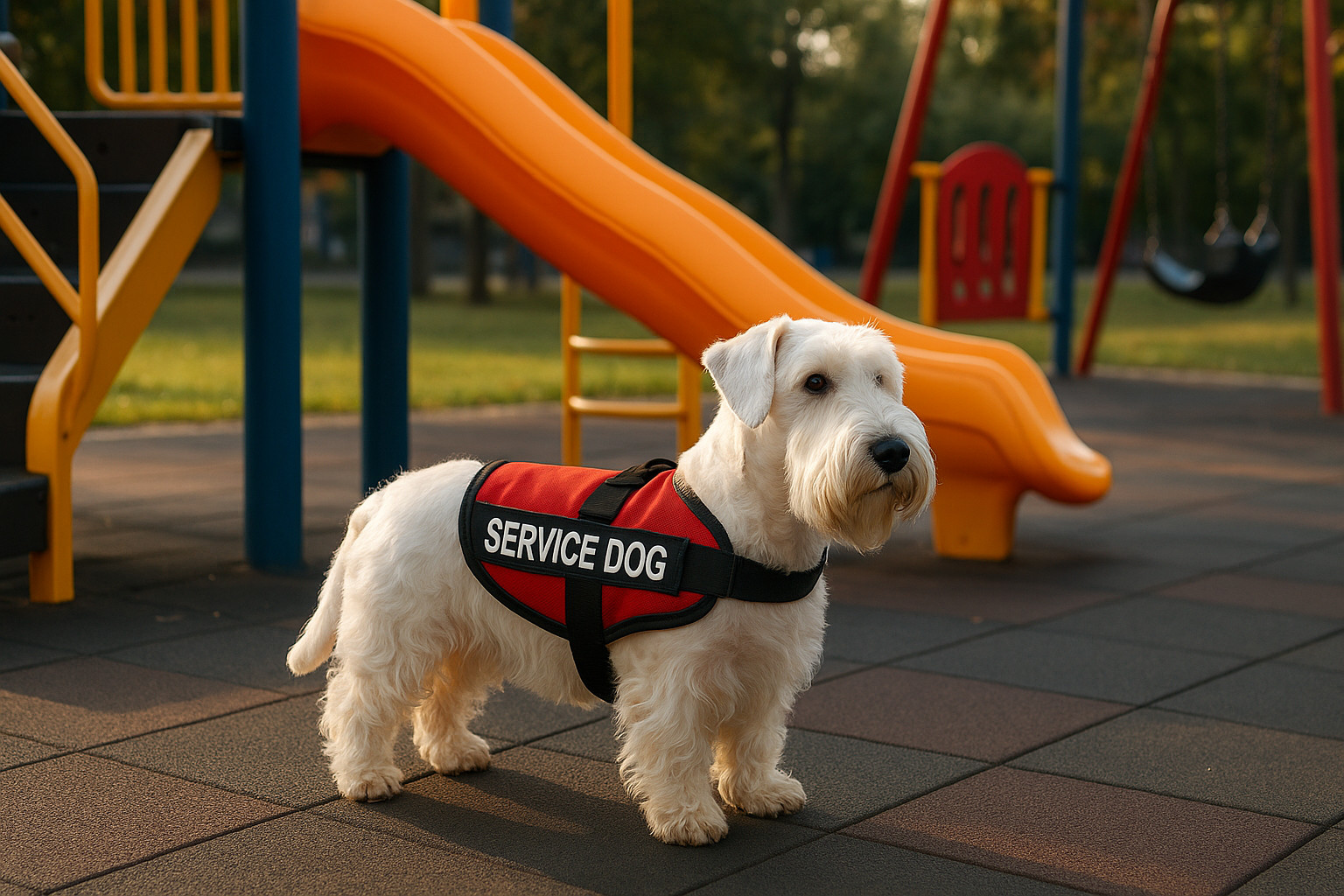
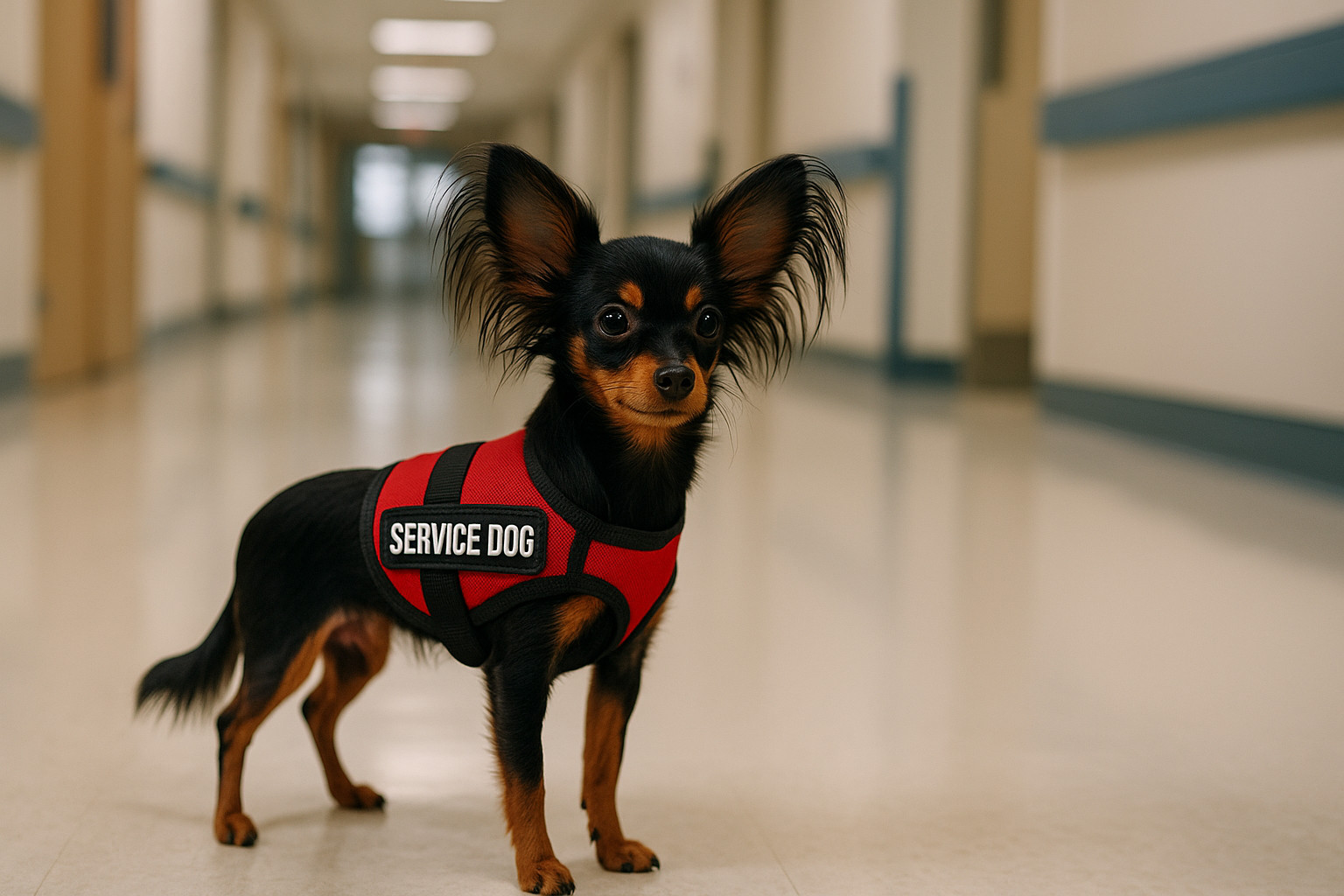
The primary distinction between ESAs and service animals lies in their function and training. Service animals, defined under the Americans with Disabilities Act (ADA), are trained to perform specific tasks for individuals with disabilities. In contrast, ESAs require no special training and their role is to offer comfort. This difference is crucial as it impacts the legal standing of ESAs in various public and private settings.
Key Federal Laws Affecting ESAs (e.g., FHA, ACAA)
Federal laws like the Fair Housing Act (FHA) and the Air Carrier Access Act (ACAA) primarily govern the rights of ESA owners. The FHA allows individuals with ESAs to live in housing with “no pets” policies, while the ACAA historically provided accommodations for ESA travel on airlines. However, recent changes have decreased the accommodations required under the ACAA. Understanding the interplay of these federal laws with Colorado-specific regulations is essential for full comprehension of ESA rights.
State-Specific ESA Laws in Colorado
Colorado acknowledges the importance of ESAs in supporting mental health, but it doesn’t impose additional state-specific regulations beyond federal laws. However, there are particular interpretations and enforcement practices relevant to residents. Navigating these state-level nuances requires knowledge of both housing regulations and public accommodation standards.
Housing Rights and Responsibilities
The Fair Housing Act (FHA) mandates that landlords in Colorado accommodate ESAs, even in buildings with pet restrictions. This provision ensures individuals with mental health challenges can access necessary support. However, landlords can require appropriate documentation to verify the need for an ESA. ESA owners have a responsibility to ensure their animals do not cause undue damage or disturbances in their living environment.
Public Access and Accommodation
ESAs are not granted the same public access rights as service animals under the ADA. This means that owners of ESAs in Colorado do not have the automatic right to bring their animals into public places like restaurants, shops, and other establishments, unless specifically permitted by the business.
Register Your Dog Instantly
Transportation and Travel Rules
Under the Air Carrier Access Act, airlines were previously required to accommodate ESAs. However, recent amendments mean the ACAA no longer mandates such accommodation, shifting discretion to the airlines. Colorado residents traveling with ESAs need to check specific airline policies well in advance to avoid travel disruptions and plan accordingly, especially if international travel is involved where country laws may differ.
Employment and Workplace Considerations
While the ADA requires employers to accommodate service animals in the workplace, these provisions do not extend to ESAs. Employers in Colorado may choose, but are not required, to allow ESAs as a reasonable accommodation under the ADA unless specific state employment regulations apply. Employees should engage in open dialogue with their employers to explore potential accommodations for mental health support that may include an ESA.
Documentation, Requirements, and Processes in Colorado
ESA Letters and Who Can Issue Them
In Colorado, an ESA letter acts as formal documentation of an individual’s need for an emotional support animal. This letter must be issued by a licensed mental health professional, such as a psychologist, psychiatrist, or licensed clinical social worker. The letter should specify the nature of the emotional or psychological disability and how the ESA assists in alleviating symptoms.
Landlord, Business, and Provider Verification Rules
Landlords and businesses have the right to verify the legitimacy of an ESA letter. They can request the letter for validation but cannot ask for detailed medical records. Misrepresentation of an ESA’s status or forging documentation is considered fraud and carries legal consequences.
Rights, Limitations, and Legal Risks
Rights ESA Owners Have in Colorado
Colorado residents with ESAs have specific rights, primarily revolving around housing access. The FHA supports individuals in securing accommodations without facing discrimination based on their need for an ESA. These rights ensure fair housing opportunities despite “no pets” policies common in many rental agreements.
Limits on ESA Protections and Common Restrictions
ESAs face several limitations, especially in public access and employment. Unlike service animals, they are not universally accepted in all public spaces, limiting their access to many recreational, dining, and shopping environments. Additionally, accommodation in workplaces is not guaranteed, placing the onus on employees and employers to navigate mental health needs collaboratively.
Penalties for Fraud or Misrepresentation
Fraudulently claiming an animal as an ESA or falsifying ESA documentation is illegal. In Colorado, misrepresentation can lead to penalties, including fines and potential legal actions. Ethical compliance with ESA regulations is important for maintaining the integrity of legitimate support needs and protections.
Practical Guidance for ESA Owners in Colorado
How to Qualify for an ESA Legitimately
Individuals seeking to qualify for an ESA should undergo a thorough evaluation by a licensed mental health professional. The professional assesses the individual’s mental health condition and determines if an ESA could provide therapeutic benefit. Obtaining a legitimate ESA letter from a recognized professional is key to securing necessary accommodations.
How to Talk to Landlords, Airlines, and Employers
When discussing ESA needs with landlords, airlines, or employers, transparency and preparation are crucial. Present validated ESA documentation confidently, understand the rights and limitations involved, and engage in constructive dialogue to identify reasonable accommodations. Awareness of legal rights will facilitate more effective communications and resolutions.
Summary of ESA Laws in Colorado
The following points summarize the essential aspects of ESA-related laws in Colorado:
- ESAs primarily have housing access rights under the FHA, but not under public accommodation laws like the ADA.
- They are not automatically entitled to accompany owners into public spaces unlike service animals.
- Proper documentation from a licensed mental health professional is required to validate the need for an ESA.
- Airlines have autonomy over ESA travel policies following recent changes in the ACAA; check policies well in advance.
- ETHICAL compliance in representing ESAs is crucial to avoid penalties and maintain integrity in mental health support.
By understanding and adhering to these guidelines, ESA owners in Colorado can ensure they receive the legitimate support to which they are entitled while respecting the legal boundaries and obligations.