
Overview of ESAs and Legal Definitions in California
Emotional support animals (ESAs) are becoming increasingly important for individuals who need mental and emotional assistance. In California, the legal framework around ESAs balances federal guidelines with state-specific regulations, ensuring clarity and protection for both owners and the public.
What is an Emotional Support Animal?
An emotional support animal is any animal that provides therapeutic benefit to an individual with a mental or emotional disability. Unlike service animals, which are trained to perform specific tasks, ESAs alleviate symptoms of their owner’s mental health issues through their presence alone. They can be any domestic animal but are commonly dogs or cats.
How ESAs Differ from Service Animals
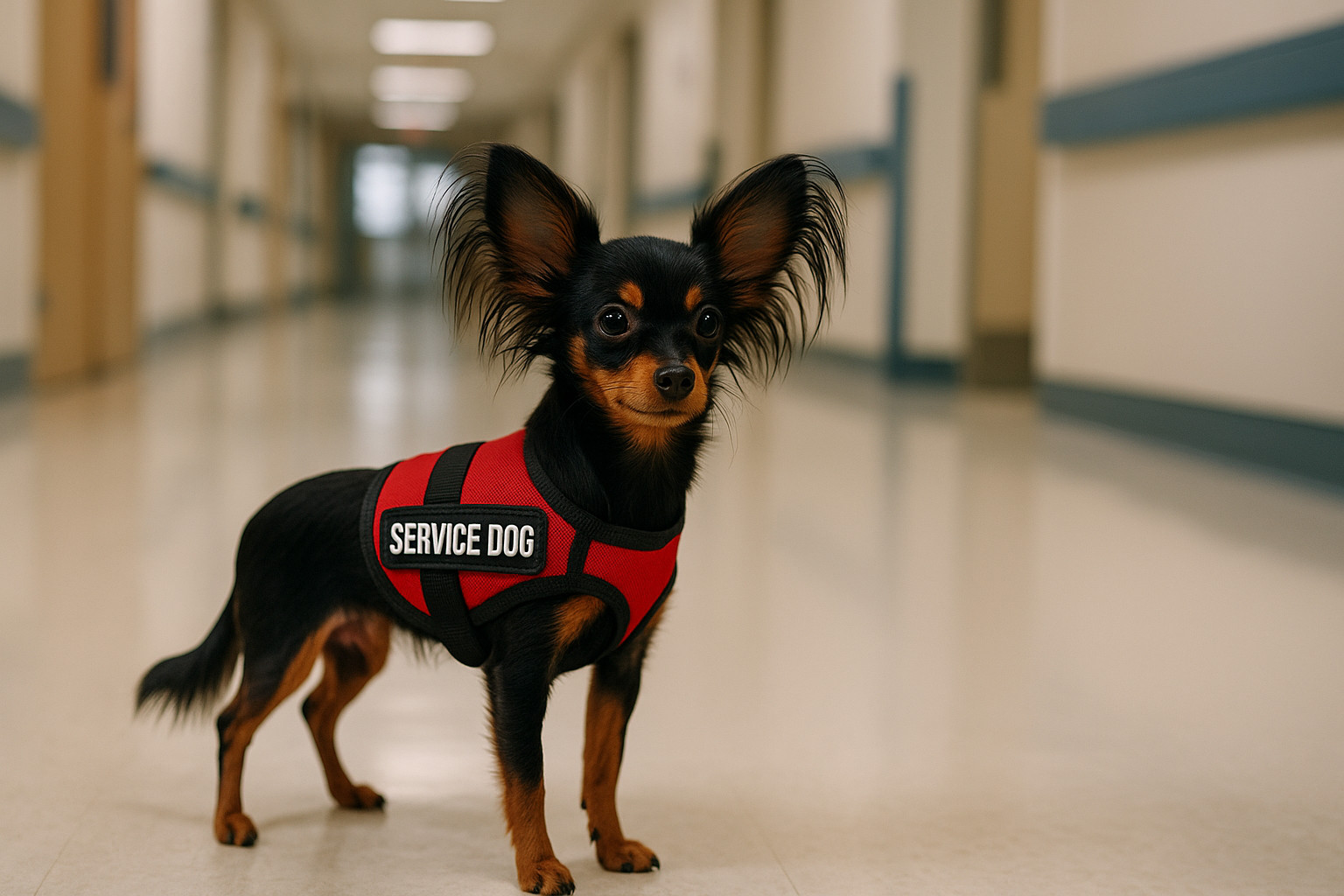
Service animals are defined federally by the Americans with Disabilities Act (ADA) as dogs (and in some cases, miniature horses) trained to perform tasks for individuals with disabilities. Unlike ESAs, service animals have full public access rights. ESAs, on the other hand, are not trained to perform tasks and therefore do not have the same broad access rights. Their presence is therapeutic, but they are primarily limited to housing rights and certain travel accommodations.
Key Federal Laws Affecting ESAs
Several federal laws impact ESAs:
- Fair Housing Act (FHA): Ensures that individuals with disabilities are allowed to have ESAs in housing, even if the property has a no-pet policy.
- Air Carrier Access Act (ACAA): Previously provided for ESA travel on airplanes but was amended in December 2020, currently recognizing only service animals under the guidelines.
- ADA: Does not cover ESAs, leaving their public access rights much more limited compared to service animals.
State-Specific ESA Laws in California
Housing Rights and Responsibilities
In California, ESA owners enjoy strong protections under the Fair Housing Act and state laws. Landlords are generally required to accommodate ESAs, irrespective of existing pet policies. ESA owners must provide a valid ESA letter from a licensed mental health professional. However, this does not exempt them from responsibilities such as:
- Maintaining control over their ESA.
- Ensuring the animal does not cause damage to property.
- Caring for the animal’s health and hygiene.
Public Access and Accommodation
In California, ESAs do not have the right of access to public places like restaurants, stores, or theaters, which is a significant distinction from service animals. Public establishments are not obligated to accommodate ESAs, though many choose to do so voluntarily. It remains essential for ESA owners to respect and understand these limitations to avoid potential legal issues.
Transportation and Travel Rules
Following changes to the Air Carrier Access Act, ESAs are no longer guaranteed free access to aircraft cabins. Airlines may choose their policies regarding non-service animals, usually requiring them to travel as pets, subject to fees and cargo restrictions. ESA owners should contact airlines ahead of travel to confirm specific policies.
Register Your Dog Instantly
Employment and Workplace Considerations
While the ADA mandates reasonable accommodations for service animals in workplaces, ESAs are not automatically covered. Californian employers may still offer accommodations, although they are not legally required to do so. Employees should discuss needs directly with their employer and provide documentation if the request is considered.
Documentation, Requirements, and Processes in California
ESA Letters and Who Can Issue Them
To qualify for ESA accommodations, owners need a legitimate ESA letter from a licensed mental health professional (LMHP) affirming the need for the support animal. This includes psychologists, psychiatrists, therapists, or clinical social workers. The letter must be both current and specific to the individual’s needs.
Landlord, Business, and Provider Verification Rules
Landlords and businesses retain the right to verify ESA documentation. They may:
- Request a current ESA letter.
- Verify the LMHP’s license if necessary.
- Ask limited questions about the need for the ESA, without demanding detailed information about the owner’s mental health condition.
Rights, Limitations, and Legal Risks
Rights ESA Owners Have in California
ESA owners in California have certain protected rights primarily regarding housing, ensuring no-pet policies do not unfairly exclude them from securing accommodation. They may also receive certain travel accommodations and workplace considerations, dependent on specific agreements with service providers.
Limits on ESA Protections and Common Restrictions
Despite strong housing protections, ESA owners must recognize limitations:
- No automatic public access like service animals.
- Enforcement of good behavior for animals in allowed areas.
- Requirement of proper documentation to validate claims.
- Airline policies potentially excluding ESAs as in-cabin passengers.
Penalties for Fraud or Misrepresentation
Misrepresenting a pet as an ESA can lead to:
- Legal repercussions under California State Penal Code 365.7.
- Fines and community service requirements.
- Potential loss of legitimate ESA accommodations for individuals committing fraud.
Practical Guidance for ESA Owners in California
How to Qualify for an ESA Legitimately
Potential ESA owners in California should:
- Consult with a licensed mental health professional about their mental health needs.
- Secure an official ESA letter from this professional.
- Keep ESA documentation up-to-date and ready for housing, travel, or employment discussions.
How to Talk to Landlords, Airlines, and Employers
When communicating your ESA needs:
- Approach landlords and providers respectfully, providing all necessary documentation.
- Understand and respect their right to verify claims.
- Clarify arrangements and expectations regarding your ESA’s behavior and care.
Summary of ESA Laws in California
In summary, California’s ESA laws reflect a balance between federal protections and state-only accommodations, primarily focusing on housing rights. Public access and travel accommodations remain more restrictive compared to service animals.
Key Points:
- ESA Definition: Animals providing therapeutic support for mental health conditions.
- Federal vs. State Laws: Federal laws provide housing-specific protections, with California mirroring these and adding nuanced employment considerations.
- Rights: Primarily housing protection; others dependent on circumstances and documentation.
- Limitations: No public access; restricted travel allowances.
- Documentation: Required ESA letter, verification necessary.
- Risks: Legal risk in misrepresentation or improper documentation.
For California residents, understanding and respecting the rights and responsibilities associated with ESAs ensures smoother interactions and legal compliance.