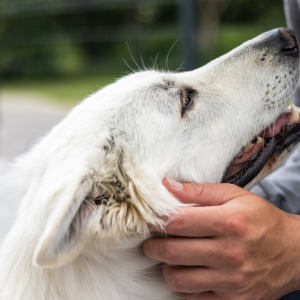
What Are Companion Dogs?
Companion animals are the animals who live with us, share our homes, and play an important emotional role in our lives. Dogs, cats, rabbits, birds, and many other species can be considered companion animals. Unlike working animals or livestock, companion animals primarily provide friendship, emotional support, and companionship.
To many people, these animals are more than pets—they are family. This close bond is a major reason why society treats them differently from other animals and why they receive greater legal protections.
Why Companion Animals Are Considered Family
Over the years, public attitudes toward animal companionship have shifted. Most people no longer see their animals as property but as sentient beings who play an important part in daily life. Companion animals:
- Offer emotional comfort
- Improve mental health
- Provide a sense of security
- Encourage physical activity
- Help reduce stress and loneliness
Because of this deeply personal connection, many households view companion animals as full family members, not just animals living in the home.

Register Your Dog Instantly
Legal Protections for Companion Animals
Companion animals enjoy more legal protections than other categories of animals, such as livestock or wildlife. These protections exist because of society’s recognition of their emotional value and their dependence on humans for care.
1. State Animal Cruelty Laws
Every U.S. state has laws that prohibit cruelty, abuse, and neglect. These laws typically include:
- Food and water requirements
- Mandatory shelter standards
- Veterinary care provisions
- Penalties for abuse, abandonment, or neglect
The penalties can range from fines to felony charges depending on the severity of the offense.
2. Adoption and Shelter Regulations
Many states regulate:
- How shelters operate
- Requirements for humane treatment
- Standards for adoption procedures
- Holding times for lost or stray animals
These laws ensure that companion animals waiting for homes are treated safely and humanely.
3. Local Ordinances for Additional Protection
Beyond state laws, some cities and counties pass their own ordinances to further protect companion animals. These may include:
- Leash laws
- Licensing requirements
- Restrictions on outdoor tethering
- Limitations on breeding operations
- Regulations for dangerous or aggressive animals
Local governments often adapt these laws to address the specific needs of their communities.
Why These Laws Matter
Legal protections for companion animals help ensure:
- Humane treatment
- Safe living conditions
- Responsible ownership
- Accountability for abuse
- Community safety
Because companion animals rely entirely on humans for survival, these laws act as vital safeguards to protect their welfare.
Conclusion
Companion animals are cherished members of our families. They share our homes, bring emotional comfort, and enrich our daily lives. In recognition of their importance, many states and local governments have created laws and ordinances designed to ensure their safety and well-being.
As our understanding of animal welfare continues to grow, so does our responsibility to protect the animals who depend on us. By supporting strong legal protections and practicing responsible care, we honor the special bond we share with our companion animals.