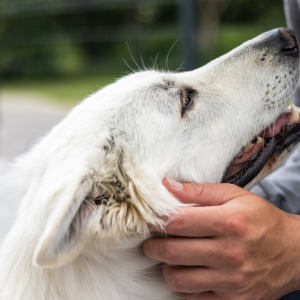
Types of Emotional Support Dogs and Service Dogs
Understanding the differences between Emotional Support Dogs (ESDs) and Service Dogs helps individuals choose the right type of support. This guide explains the most common conditions that qualify someone for an Emotional Support Dog or a trained Service Dog.
Register Your Dog Instantly
Register Your Dog Today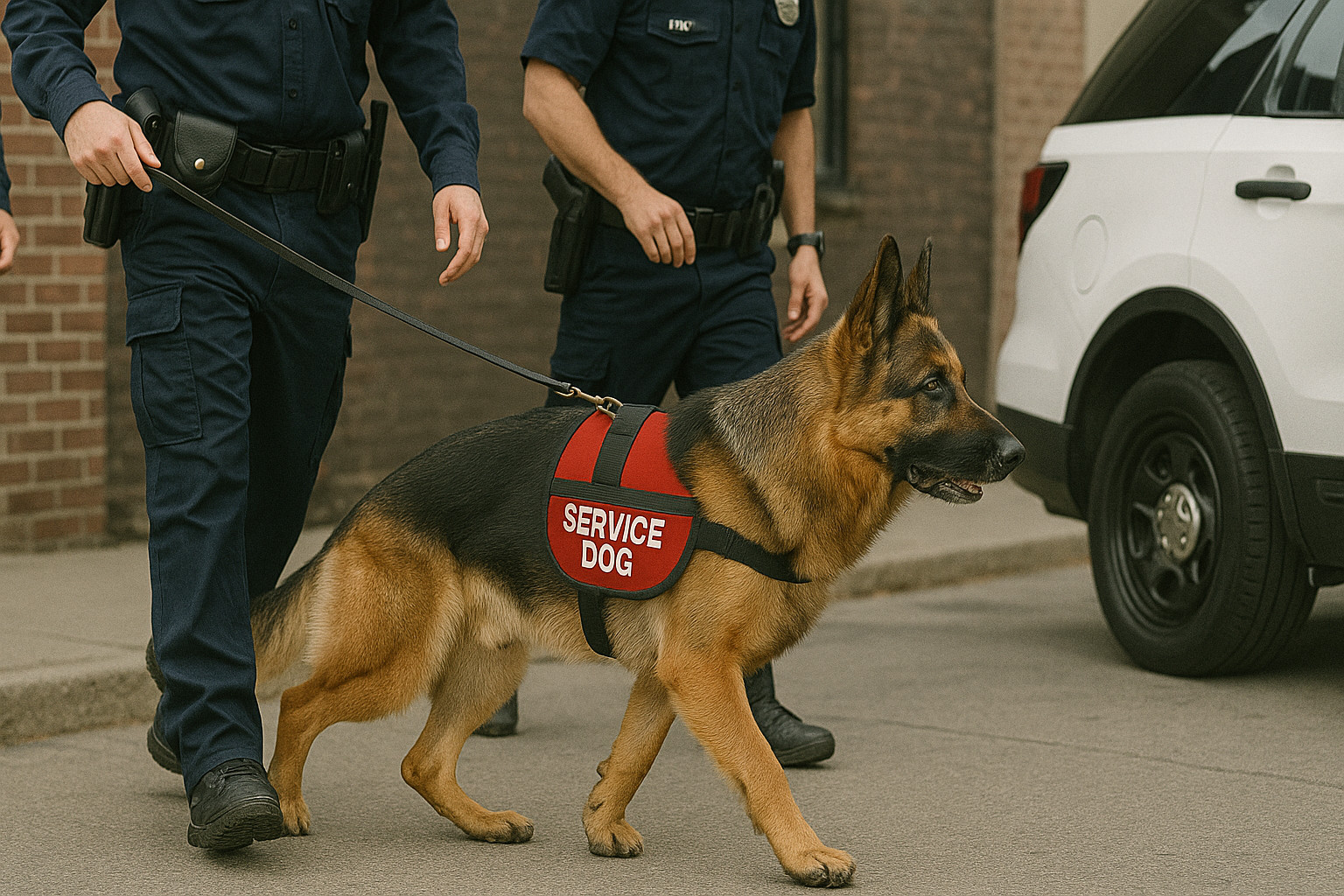
Service Dog: Law Enforcement / Police Dogs
What Are Police Dogs? Police dogs—often referred to as K9 units—are specially trained working animals that assist law enforcement officers…
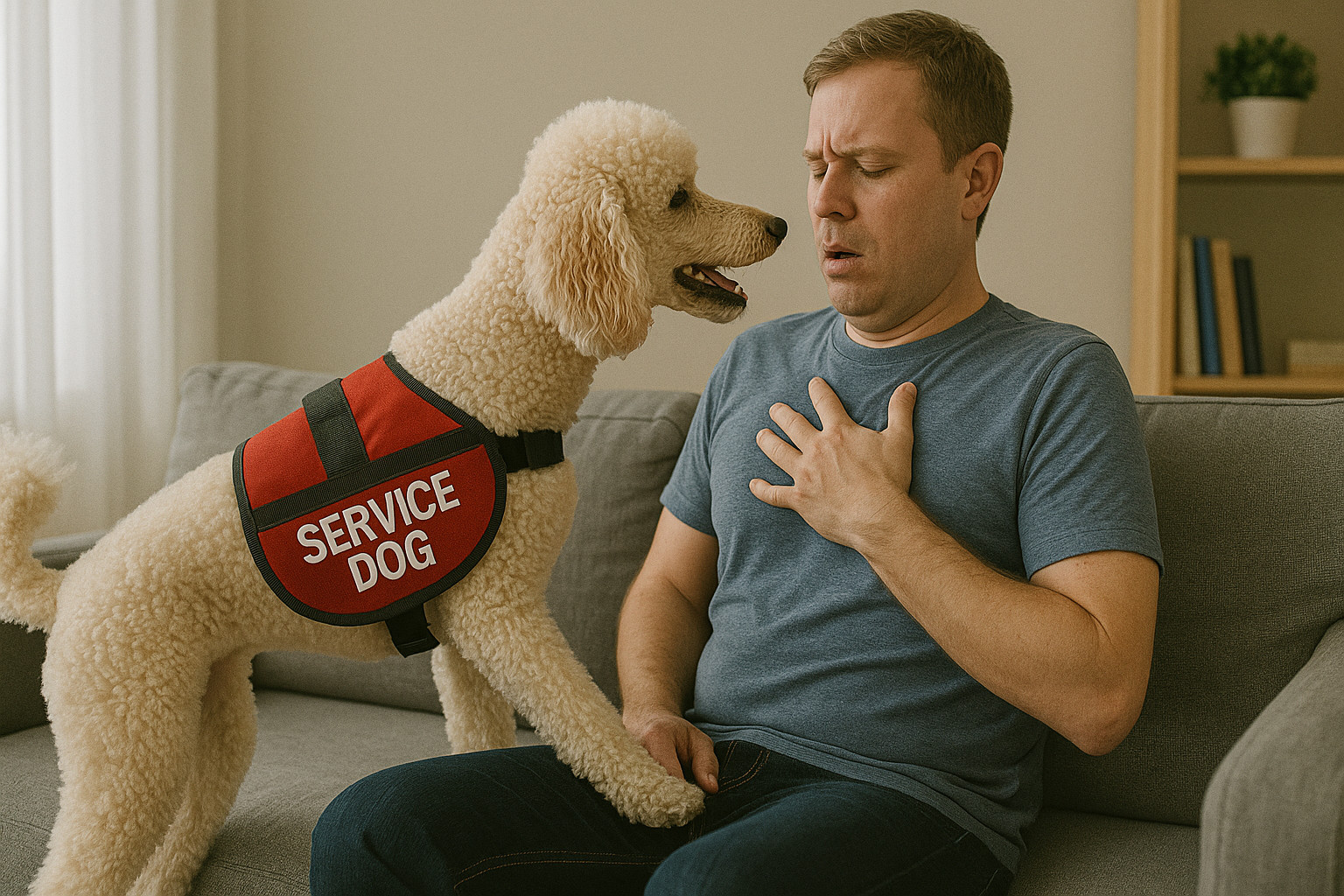
Service Dog: Medical Alert Dog
What Are Service Dog Medical Alert? Medical alert dogs are highly trained service animals that assist individuals by detecting changes…
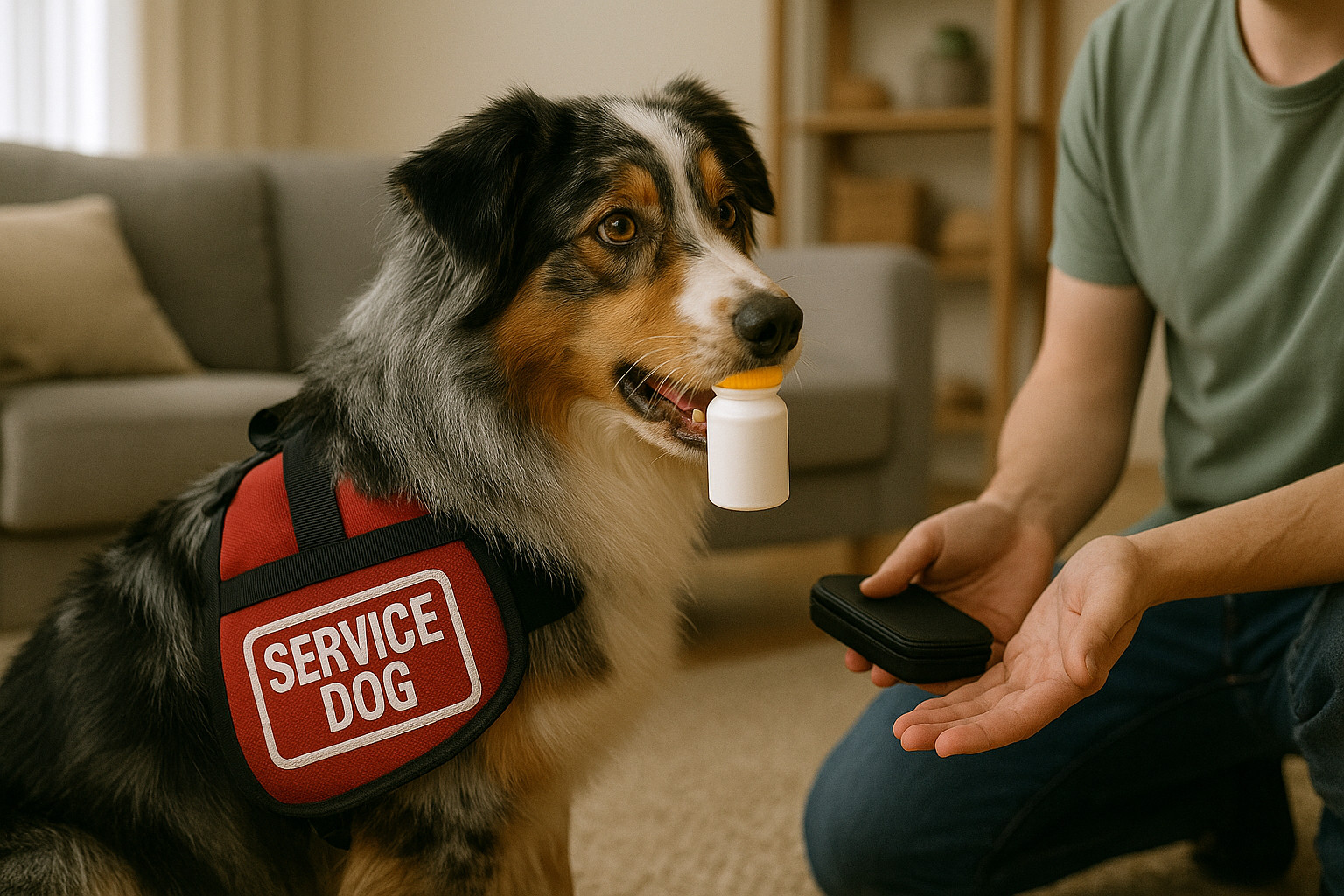
Service Dog: Medical Assistance Dogs
What Are Medical Assistance Dogs? Medical assistance dogs are service animals trained to help individuals whose disabilities are related to…
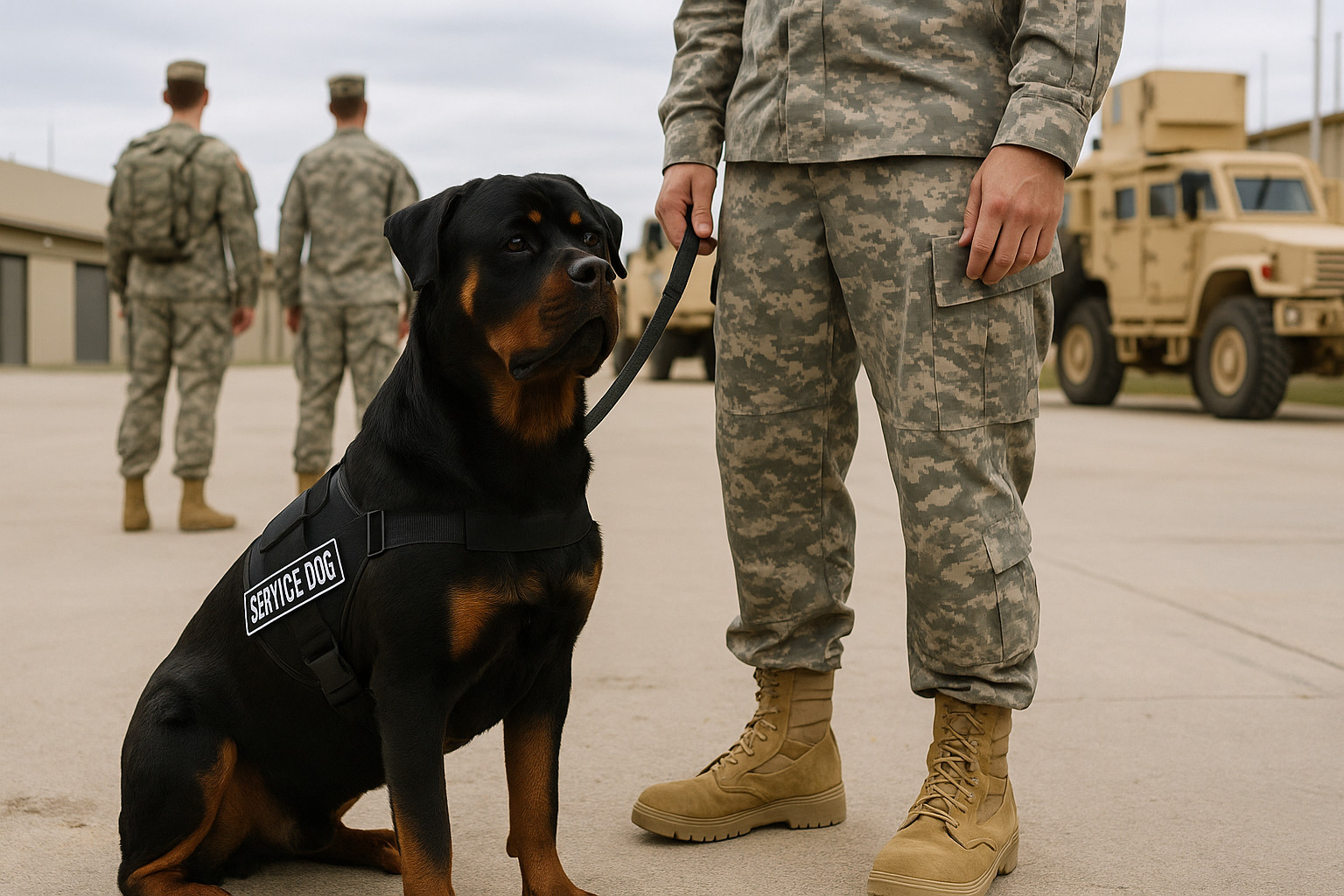
Service Dog: Military Trained Dogs
What Are Military Working Dogs? Military working dogs are highly trained service animals that support members of the armed forces…
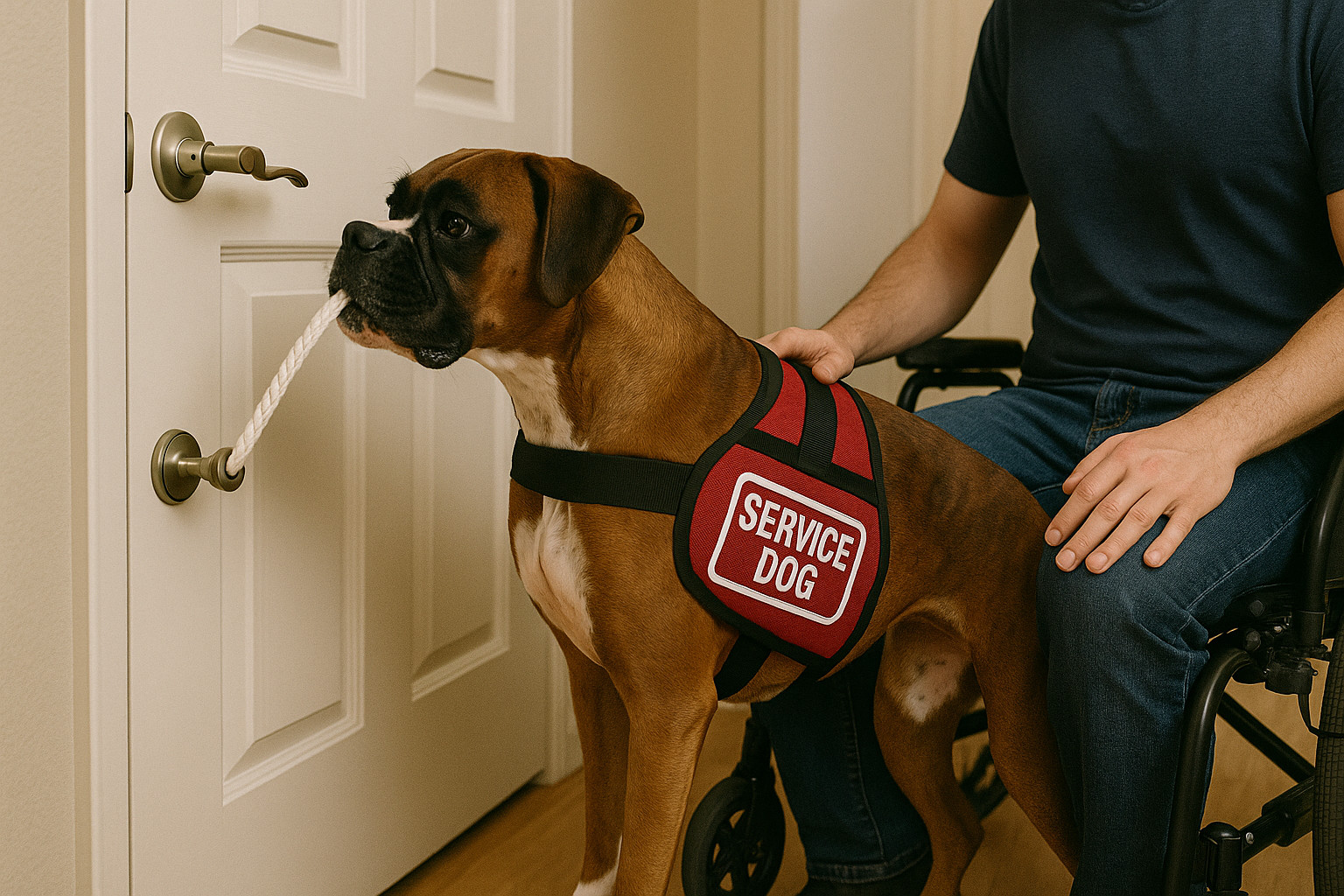
Service Dog: Physical Assistance Dog
What Is a Physical Assistance Dog? A physical assistance dog is a trained service animal that supports individuals with mobility…

Service Dog: Psychiatric Service Dog
What Is a Psychiatric Service Dog? A psychiatric service dog is a task-trained service animal that assists an individual with…
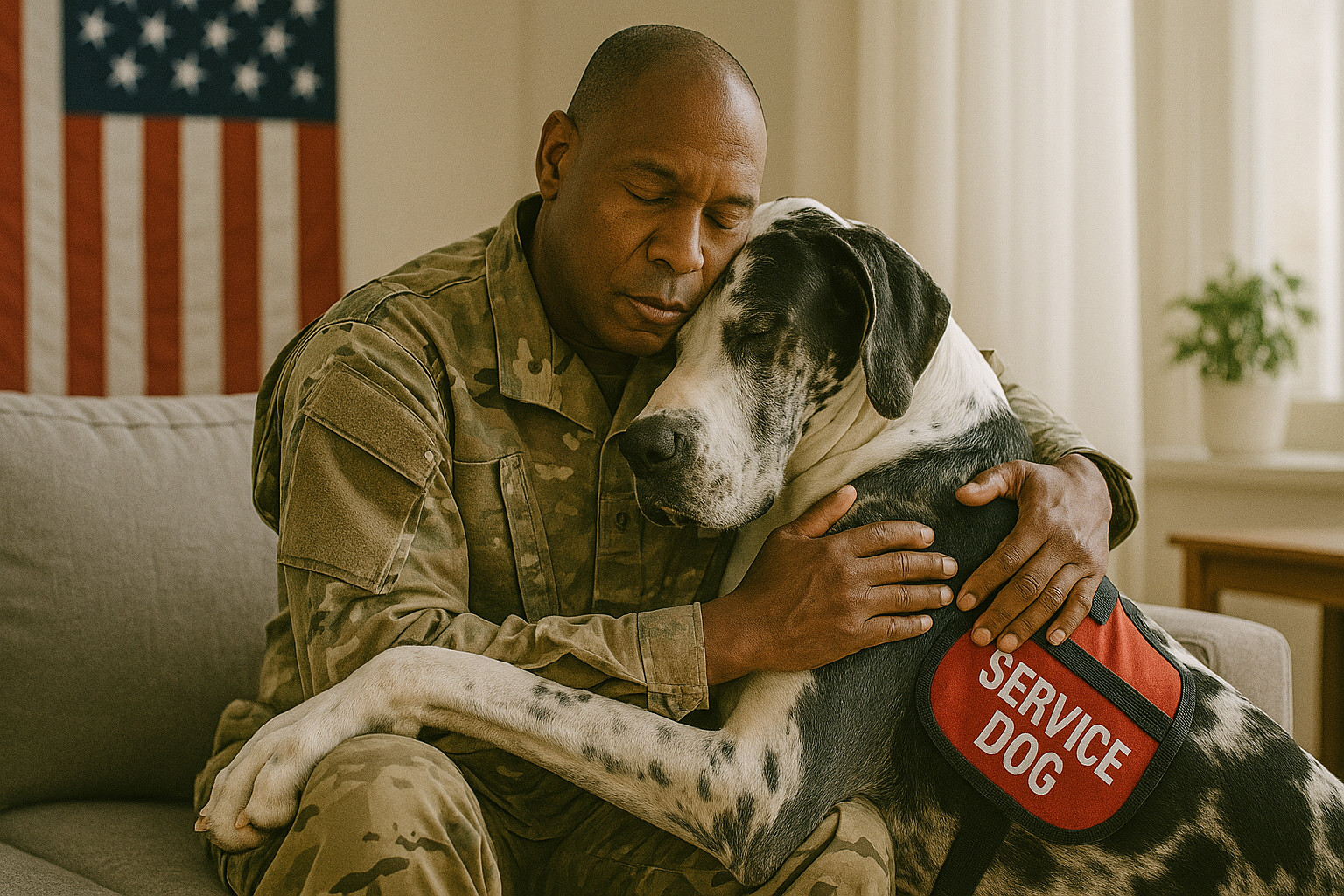
Service Dog: PTSD MedicalDogs
What Are Medical Alert Dogs? Medical alert dogs (MADs) are trained service animals that assist people experiencing the emotional and…
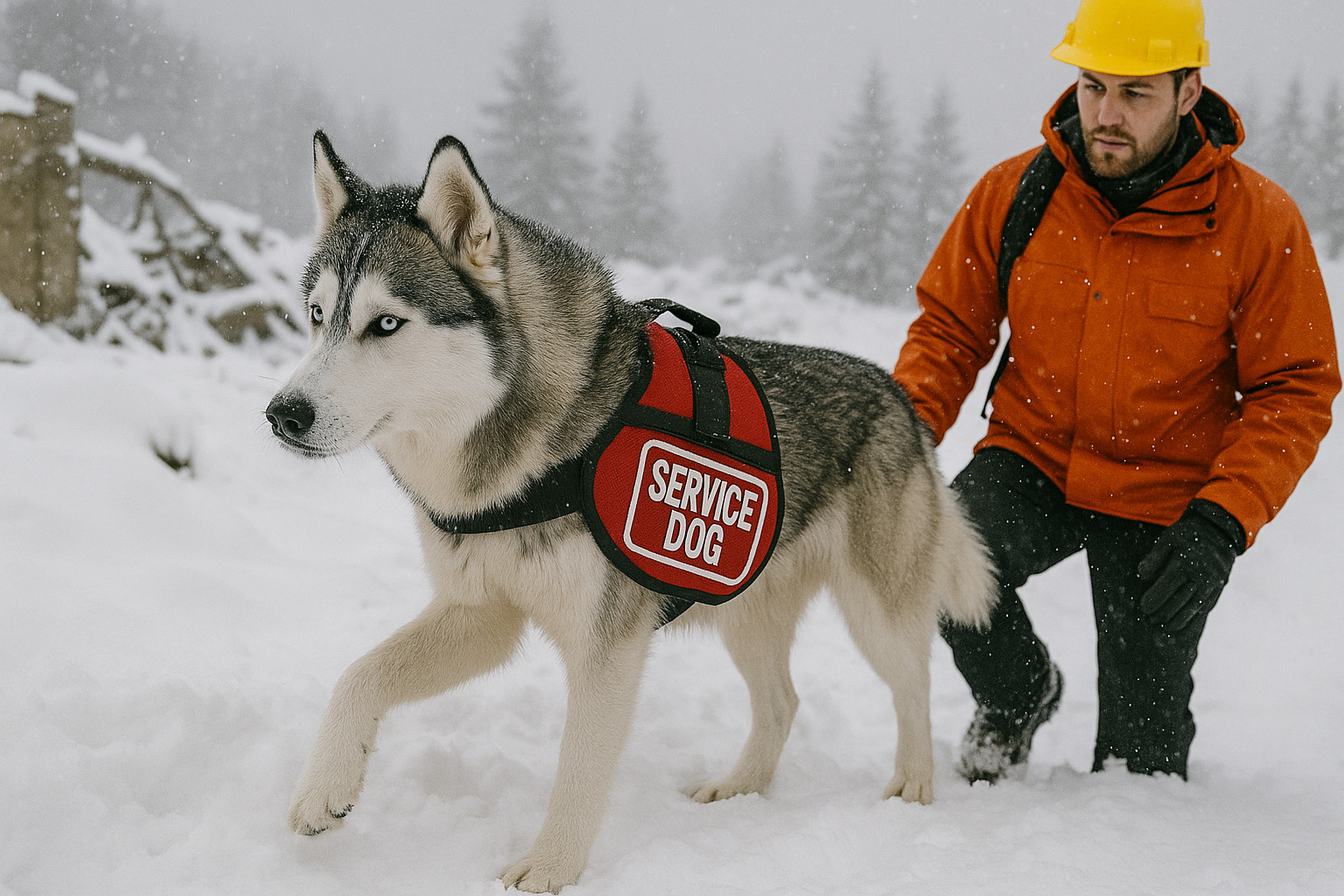
Service Dog: Search and Rescue Dog
What Are Accelerant Detection Dogs? Accelerant detection dogs—commonly known as arson dogs—are specially trained service animals that assist professionals in…
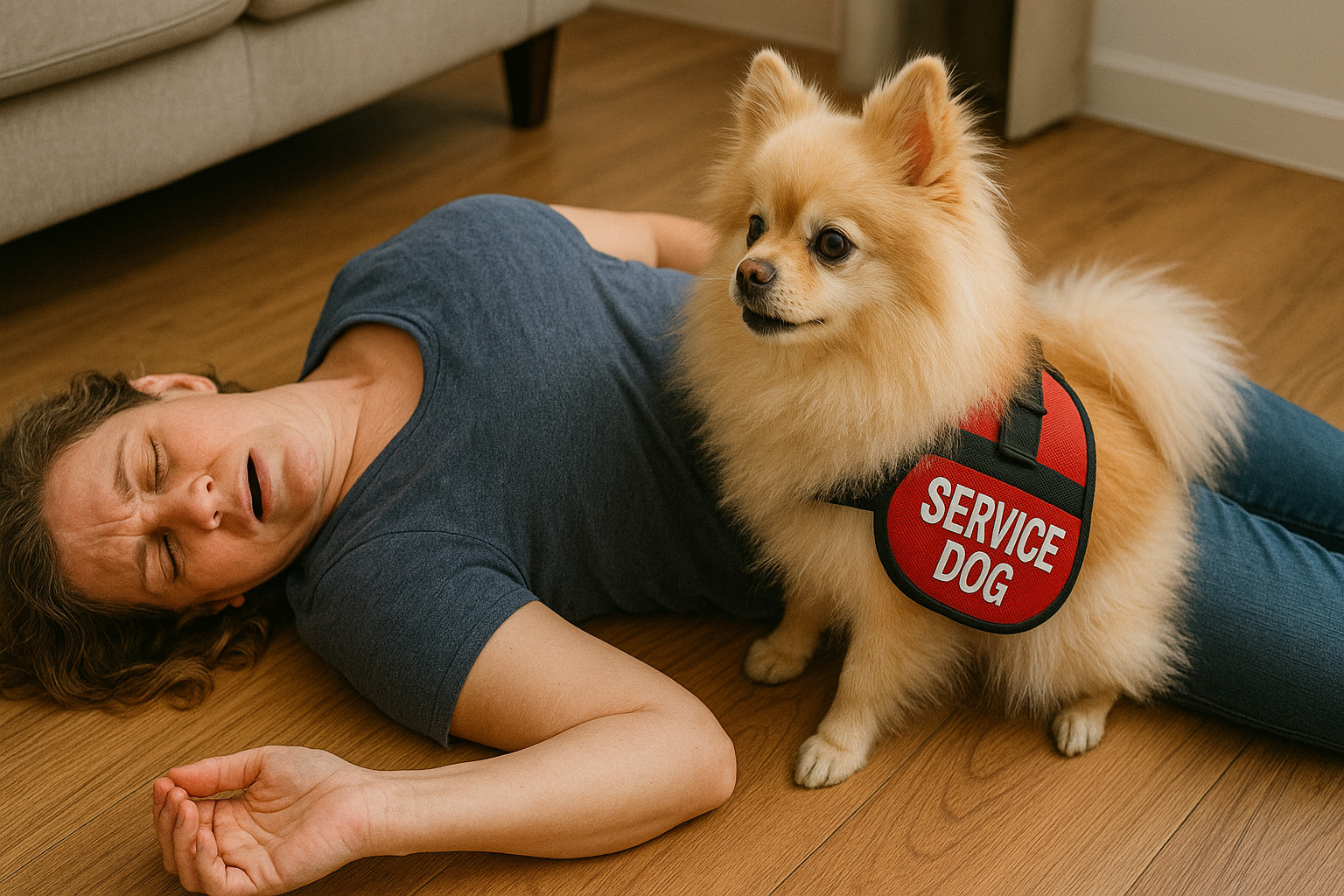
Service Dog: Seizure Alert / Response Dogs
What Are Seizure Alert Dogs? Seizure alert dogs are service animals that assist people living with seizure disorders. Their role…

Service Dog: Severe Allergy Alert Dogs
What Are Allergy Alert Dogs? Allergy alert dogs, also known as AADs, are specially trained service animals that help individuals…
Most Common Reasons for Needing an Emotional Support Dog (ESD)
Emotional Support Dogs help people manage mental and emotional disabilities. Below are the most frequently listed conditions that qualify an individual for an Emotional Support Animal (ESA).
Anxiety and Stress-Related Disorders
Many people seek an Emotional Support Dog for anxiety or stress conditions such as:
- Generalized Anxiety Disorder (GAD)
- Social Anxiety Disorder
- Panic Disorder
- Phobias
- Stress-Related Disorders
- Adjustment Disorders
Trauma and Dissociative Disorders
Emotional Support Dogs provide comfort for individuals coping with:
- Post-Traumatic Stress Disorder (PTSD)
- Dissociative Disorders
Mood and Cognitive Disorders
These conditions often qualify for an Emotional Support Dog:
- Mood Disorders
- Neurocognitive Disorders
Impulse-Control and Behavioral Disorders
Some individuals benefit from an ESA due to:
- Impulse-Control Disorders
- Eating Disorders
- Factitious Disorders
Sleep, Sexual, and Somatic Disorders
Common qualifying conditions include:
- Sleep Disorders
- Sexual and Gender Identity Disorders
- Somatoform Disorders
Substance-Related and Additional Mental Health Disorders
Emotional Support Dogs also help people experiencing:
- Substance-Related Disorders
- Psychotic Disorders
- Personality Disorders
- Suicidal Thoughts
Most Common Reasons for Needing a Service Dog
Service Dogs are trained to perform specific tasks for individuals with physical, neurological, psychiatric, or medical disabilities. The conditions below commonly qualify someone for a Service Dog.
Physical and Mobility-Related Disabilities
These conditions often require support from a trained Service Dog:
- Arthritis
- Ataxia (poor balance)
- Cerebral Palsy
- Physical Mobility Limitations
- Spina Bifida
- Spinal Cord or Head Trauma
- Stroke
Sensory Disabilities
People with sensory impairments commonly use Service Dogs for:
- Blindness or Low Vision
- Deafness or Hearing Impairment
Neurological and Developmental Disabilities
The following conditions may require a Service Dog:
- Autism
- Multiple Sclerosis (MS)
- Seizure Disorders
Medical and Health-Related Conditions
Some individuals qualify for a Medical Alert or Medical Response Service Dog for:
- Diabetes
- Severe Allergy Alerts
- Cardio-Pulmonary Disease
- Medical Alert Needs
- Cancer
Psychiatric Disabilities
Service Dogs can assist individuals living with:
- PTSD
- Other psychiatric disabilities requiring trained task support
Pain-Related Disabilities
These conditions may justify the need for a Service Dog:
- Chronic Pain
- Pain conditions that limit daily functioning