
Overview of ESAs and Legal Definitions in Ohio
What is an Emotional Support Animal?
An Emotional Support Animal (ESA) is a companion animal that provides therapeutic benefits to an individual with a mental or emotional disability. Unlike service animals, ESAs do not require specialized training to perform specific tasks. Their primary role is to offer comfort and support, which can significantly alleviate symptoms of psychological conditions. In Ohio, as elsewhere in the United States, the role of ESAs is to enrich the emotional well-being of their owners.
How ESAs Differ from Service Animals
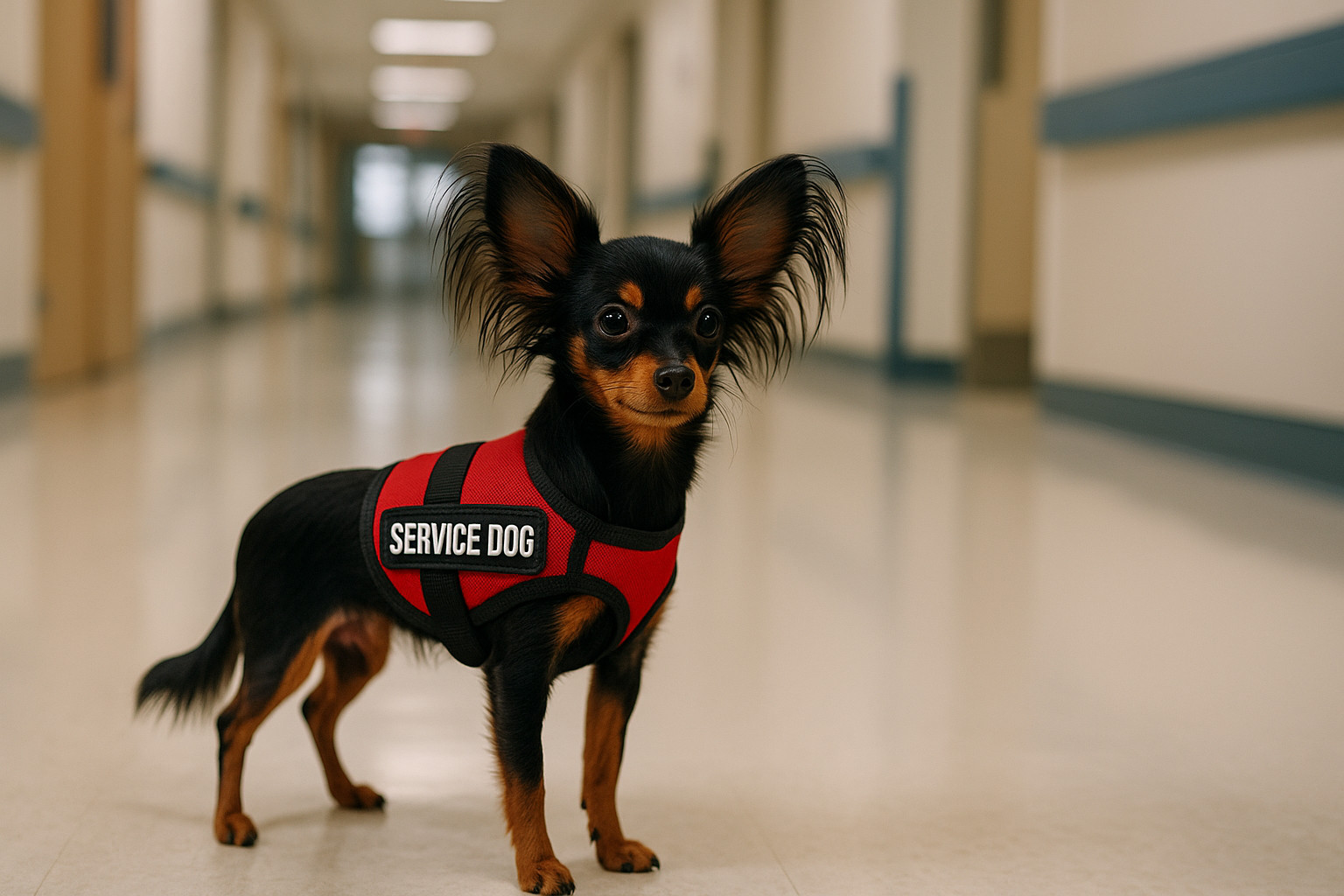
The distinction between ESAs and service animals is critical. Service animals, typically dogs, are trained to perform specific tasks for individuals with disabilities, such as guiding people who are blind or alerting people who have seizures. Under the Americans with Disabilities Act (ADA), service animals must be granted access to public spaces. In contrast, ESAs do not have these same rights, as they perform no specific tasks critical to their owner’s daily functioning.
Key Federal Laws Affecting ESAs (e.g., FHA, ACAA)
Several federal laws pertain to ESAs:
- Fair Housing Act (FHA): This law requires landlords to make reasonable accommodations for those with disabilities, including allowing ESAs, even in buildings that prohibit pets.
- Air Carrier Access Act (ACAA): Until a 2020 rule change, ESAs were permitted in the cabins of airplanes at no extra charge. Now, only service animals, as defined by the ADA, are recognized.
These laws set the stage for how ESAs are perceived and accommodated, affecting state legislation, including in Ohio.
State-Specific ESA Laws in Ohio
Housing Rights and Responsibilities
In Ohio, ESAs must be accommodated under the FHA. Landlords cannot charge pet fees or deposits for ESAs but may request verification, such as an ESA letter, from a qualified medical professional. It’s important for both tenants and landlords to understand their responsibilities; for instance, tenants must ensure their ESA does not cause undue damage or disturbance.
Public Access and Accommodation
Ohio law aligns with federal law regarding public access. An ESA does not have the same rights as a service animal to enter public places such as restaurants or shopping centers. Some businesses may allow ESAs at their discretion, but they are not required to do so by law.
Transportation and Travel Rules
The ACAA no longer requires airlines to accommodate ESAs in the cabin, and this change is reflected in Ohio’s approach to ESAs and air travel. ESAs must now meet standard pet policies of individual airlines, which may include traveling in the cargo hold or paying additional fees.
Register Your Dog Instantly
Employment and Workplace Considerations
The ADA, which influences employment practices in Ohio, does not recognize ESAs as a reasonable workplace accommodation. However, employers may choose to allow an ESA if they determine it would not disrupt the workplace or create undue hardship. It remains an area where negotiation between employee and employer is key.
Documentation, Requirements, and Processes in Ohio
ESA Letters and Who Can Issue Them
An ESA letter is essential for individuals seeking accommodation under the FHA. In Ohio, such a letter must be issued by a licensed mental health professional who can ascertain that the person has a legitimate need for an ESA. The letter must be current and include the professional’s license number.
Landlord, Business, and Provider Verification Rules
Landlords in Ohio are allowed to request an ESA letter but cannot ask detailed questions about a tenant’s specific disability. Similarly, airlines may request verification that distinguishes an ESA from a regular pet. Businesses that voluntarily choose to accommodate ESAs may also ask for proof of need.
Rights, Limitations, and Legal Risks
Rights ESA Owners Have in Ohio
ESA owners in Ohio have the right to reasonable accommodation in housing under the FHA. These rights are significant and ensure that individuals can maintain their emotional and mental health support.
Limits on ESA Protections and Common Restrictions
While ESAs are valued for their support, their presence is limited by certain restrictions. They do not have public access rights or protections against fees in places outside housing. ESAs cannot accompany owners in places where pets are typically banned unless specific accommodations are made.
Penalties for Fraud or Misrepresentation
Misrepresenting an animal as an ESA or as a service animal is illegal and can result in penalties. Ohio law prohibits this misrepresentation to maintain the integrity of programs designed to assist those with genuine needs.
Practical Guidance for ESA Owners in Ohio
How to Qualify for an ESA Legitimately
To legitimately qualify for an ESA in Ohio, individuals should:
- Consult with a licensed mental health professional to discuss their need for an ESA.
- Obtain a legitimate ESA letter detailing the psychological or emotional benefits the animal provides.
- Ensure compliance with requirements laid out by housing authorities and airlines, if applicable.
How to Talk to Landlords, Airlines, and Employers
Effective communication is vital:
- Landlords: Present your ESA letter and clarify that you understand and will comply with property rules not related to pets.
- Airlines: Before flying, check the airline’s specific ESA policies.
- Employers: Approach the discussion openly, understanding that accommodations for ESAs in the workplace are not mandated by law.
Summary of ESA Laws in Ohio
- Rights: Housing accommodations under the FHA; support from a legitimate mental health professional.
- Limitations: No public access rights like service animals; subject to airline policies; employers not required to allow them.
- Legal Risks: Penalties for misrepresentation; need for authentic documentation.
- Practical Tips: Obtain a valid ESA letter; educate yourself on Ohio’s specific laws; communicate effectively with housing providers, employers, and transport services.