Overview of ESAs and Legal Definitions in North Carolina
What is an Emotional Support Animal?
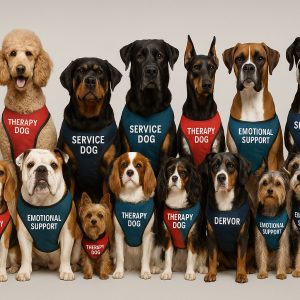
An Emotional Support Animal (ESA) provides comfort and support to individuals with mental health conditions or emotional disorders, helping alleviate symptoms of anxiety, depression, and other related issues. Unlike service animals, ESAs do not receive specialized training to perform specific tasks. In North Carolina, as elsewhere, an ESA is primarily considered a form of therapeutic aid rather than a working animal, and its role is to offer companionship that assists in managing symptoms of an emotional or psychological nature.
How ESAs Differ from Service Animals
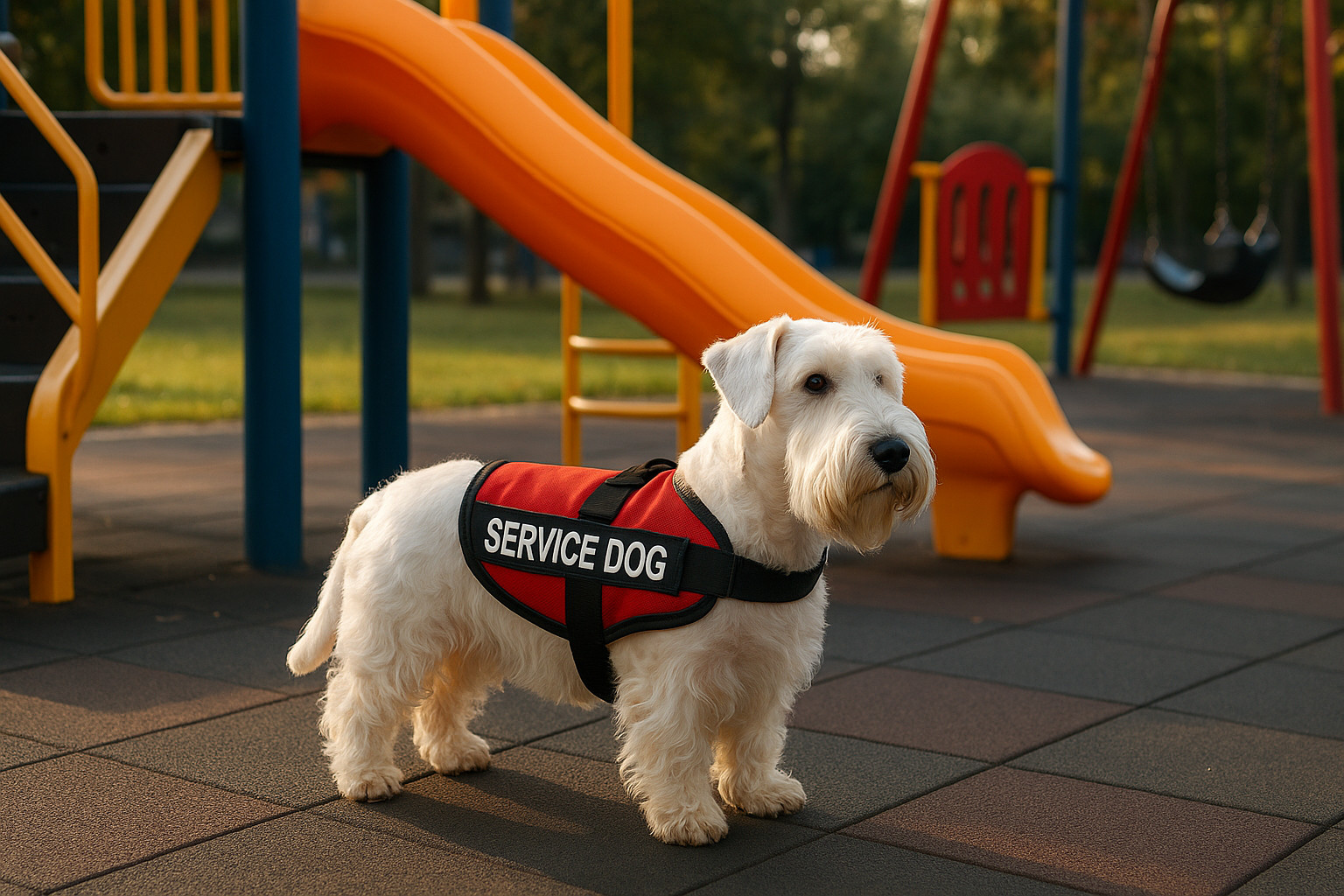
Emotional Support Animals differ from service animals in several key ways. Service animals, typically dogs, are trained to perform specific tasks for individuals with disabilities, such as guiding individuals who are visually impaired or alerting those who are deaf. Service animals are recognized under the Americans with Disabilities Act (ADA) and have broad access rights to public spaces. In contrast, ESAs are not required to undergo specialized training and do not have the same access rights in public spaces outside of housing and air travel considerations, as outlined by federal law.
Key Federal Laws Affecting ESAs (e.g., FHA, ACAA)
Federal laws play a pivotal role in defining the rights of ESA owners. Two primary laws are:
- Fair Housing Act (FHA): This federal law requires housing providers to make reasonable accommodations for individuals who require an ESA. This means landlords and property managers must allow ESAs in housing that otherwise restricts pets, provided proper documentation is submitted.
- Air Carrier Access Act (ACAA): Historically, this Act accommodated ESAs on flights, but recent amendments have changed this. Now, airlines are primarily focused on allowing service animals, with specific stipulations around ESAs, meaning they may no longer be automatically allowed to accompany their owners in the airplane cabin.
State-Specific ESA Laws in North Carolina
Housing Rights and Responsibilities
Under the Fair Housing Act, housing providers in North Carolina must provide reasonable accommodation for ESAs. Landlords cannot charge extra fees or deposits, but tenants are responsible for damage caused by the ESA. Crucially, tenants must provide documentation, typically a letter from a licensed mental health professional, verifying their need for an ESA. While landlords are obligated to accommodate valid ESA requests, they can refuse if the animal poses a health or safety risk or if the property has a legal exemption from the FHA.
Public Access and Accommodation
In North Carolina, ESAs do not have the same access rights to public accommodations as service animals. Businesses, restaurants, and other public entities are not required by law to admit ESAs. This distinction underscores the importance of understanding the limits of an ESA’s public access rights to avoid potential conflicts or misunderstandings.
Transportation and Travel Rules
With the changes in the Air Carrier Access Act, ESAs are no longer guaranteed a place in the aircraft cabin. Instead, they fall under the parameters for pet travel, which varies by airline. ESA owners traveling from North Carolina should check with airlines prior to travel to ascertain specific requirements and limitations, including potential fees and transportation logistics. Additionally, ESAs are generally not granted special access on public transportation unless classified as service animals.
Employment and Workplace Considerations
The ADA, which oversees workplace accommodations, does not recognize ESAs as a requirement for accommodation like service animals. However, North Carolina employers may choose to accommodate an ESA if deemed reasonable and beneficial for the employee’s mental health needs. As no statutory obligation exists, ESA owners are encouraged to engage in open discussions with employers about their needs and any potential accommodations.
Register Your Dog Instantly
Documentation, Requirements, and Processes in North Carolina
ESA Letters and Who Can Issue Them
An ESA letter is a critical component of the documentation process. It must be issued by a licensed mental health professional, such as a psychologist, psychiatrist, or licensed clinical social worker. This letter should establish the professional relationship with the individual, describe the need for the ESA, and specify how the animal alleviates the condition. In North Carolina, valid ESA letters must be current and should be presented to landlords or housing providers to facilitate necessary accommodations.
Landlord, Business, and Provider Verification Rules
While housing providers in North Carolina are required under the FHA to consider ESA requests, they have the right to verify legitimate documentation. This includes confirming the letter’s authenticity and, if necessary, requesting additional documentation supporting the need for an ESA. Businesses and other public entities, however, are not obligated to accommodate ESAs, nor can they request or require ESA documentation, reflecting the limited scope of rights and responsibilities concerning ESAs outside of housing contexts.
Rights, Limitations, and Legal Risks
Rights ESA Owners Have in North Carolina
ESA owners in North Carolina are entitled to reasonable accommodations in housing under federal law. They can live with their ESA in a housing unit that might otherwise prohibit pets, without incurring additional fees. However, these rights are contingent on meeting documentation requirements and ensuring that the ESA does not pose a health or safety threat.
Limits on ESA Protections and Common Restrictions
ESAs are not afforded the same broad protections as service animals, which results in limited access to public spaces and transportation options. ESA access is largely confined to housing accommodations, emphasizing the importance of understanding these boundaries to navigate public and private spaces lawfully.
Penalties for Fraud or Misrepresentation
Misrepresenting an ESA as a service animal is legally risky and can result in fines or other penalties. Fraud undermines legitimate ESA users and can lead to stricter regulations or more challenging assessments for all ESA owners. North Carolina encourages honesty and integrity in all representations regarding ESAs for ethical and legal compliance.
Practical Guidance for ESA Owners in North Carolina
How to Qualify for an ESA Legitimately
To qualify for an ESA, assessment by a licensed mental health professional is necessary. Individuals should communicate openly with their provider about their emotional or psychological needs and how an ESA can help. Professionals will determine eligibility and provide necessary documentation if an ESA is justified.
How to Talk to Landlords, Airlines, and Employers
When discussing ESA needs with landlords or employers, approach the conversation professionally. Provide necessary documentation upfront and discuss any concerns, highlighting the ESA’s role in mitigating disability symptoms. Always stay informed about current travel policies by consulting airlines directly to prepare for any animal transit requirements or challenges.
Summary of ESA Laws in North Carolina
**- Emotional Support Animals primarily provide therapeutic companionship with no required specialized training.
- Federal laws like FHA guarantee housing accommodations, but new ACAA changes restrict ESA air cabin access.
- North Carolina permits ESAs in rental housing but not in public spaces or transportation as service animals are.
- ESA documentation must be issued by a licensed mental health professional and kept current.
- Fraudulent representation is illegal and can incur penalties, reflecting the need for honest documentation practices.
- ESA owners should engage in clear communication with relevant stakeholders to ensure compliance and legal adherence.**